
Absolutely! Here’s a 3000-word article about garden worms, with list items replaced by `
` and `
` tags.
Garden worms, those seemingly simple creatures wriggling beneath our feet, are the unsung heroes of a healthy ecosystem. Their tireless work in the soil is crucial for plant growth, nutrient cycling, and overall garden vitality. While often overlooked, understanding their role and fostering their presence can transform a garden from merely surviving to thriving.
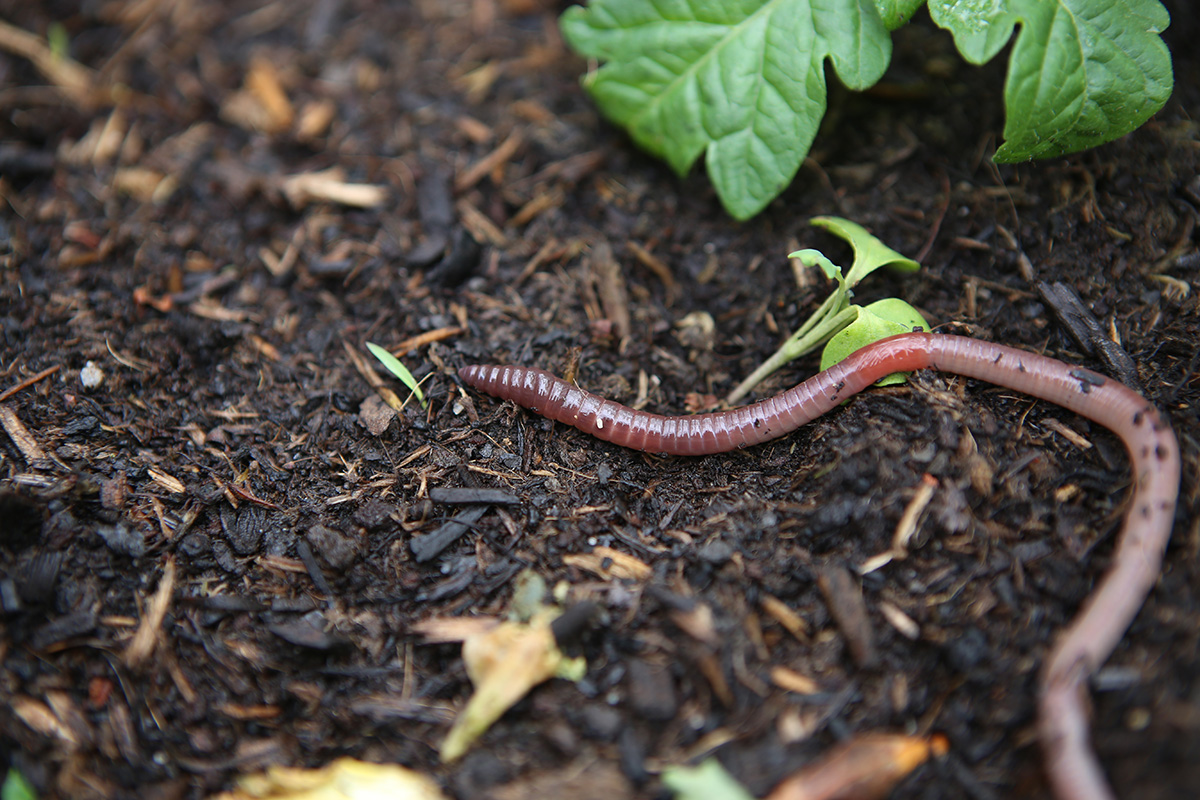
It’s a common misconception that all worms are the same. In reality, there are numerous species of earthworms, each with its unique characteristics and roles. Understanding these differences is key to appreciating their contribution to our gardens.
Types of Garden Worms
Epigeic Worms: The Surface Dwellers
These worms, often smaller and more colorful, live primarily in the top layer of organic matter. They are the composters, breaking down leaves, decaying plants, and other surface debris. They are relatively short-lived and reproduce quickly, making them efficient recyclers. Examples include the red wriggler (Eisenia fetida) and the brandling worm (Eisenia andrei).
Endogeic Worms: The Horizontal Burrowers
These worms live in the upper layers of mineral soil, creating horizontal burrows. They feed on buried organic matter and mineral soil, mixing them together. They are essential for soil aeration and drainage. These worms are typically pale and less pigmented than epigeic worms.
Anecic Worms: The Deep Burrowers
These are the largest and most impactful garden worms. They create deep, vertical burrows, sometimes reaching several meters. They come to the surface at night to feed on leaves and other organic matter, dragging it back into their burrows. This process creates channels that improve water infiltration and aeration, and they enrich the subsoil with organic matter. The common earthworm (Lumbricus terrestris) is a prime example.

Worms are not just passive inhabitants of the soil; they are active engineers, continuously shaping and improving their environment.
Benefits of Garden Worms
Soil Aeration and Drainage
Worm burrows create a network of channels that allow air and water to penetrate the soil. This improves drainage, preventing waterlogging, and ensures that plant roots receive the oxygen they need.
Nutrient Cycling
Worms consume organic matter and excrete nutrient-rich castings, which are a highly effective natural fertilizer. These castings contain essential nutrients like nitrogen, phosphorus, and potassium in forms readily available to plants.
Soil Structure Improvement

Worm activity improves soil structure by binding soil particles together with their castings and mucus. This creates a crumbly, well-aggregated soil that is easier for roots to penetrate and holds water more effectively.
Decomposition of Organic Matter
Worms are crucial in breaking down organic matter, turning it into humus. This process releases nutrients slowly, providing a sustained source of fertility for plants.
Increased Microbial Activity
Worm castings are rich in beneficial microorganisms, which further enhance soil fertility and plant health. These microbes help break down organic matter and suppress plant diseases.
Creating a worm-friendly environment is essential for reaping the benefits they provide.
How to Encourage Worms
Add Organic Matter
Worms thrive in soils rich in organic matter. Add compost, leaf mold, and well-rotted manure to your garden beds. Mulch around plants with organic materials like shredded leaves or straw.
Avoid Chemical Pesticides and Fertilizers
Chemical pesticides and fertilizers can harm or kill worms. Opt for organic gardening practices that rely on natural pest control and soil amendments.
Maintain Soil Moisture
Worms need moist soil to survive. Water your garden regularly, especially during dry periods. Mulching can help retain soil moisture.
Minimize Soil Disturbance
Excessive tilling or digging can disrupt worm burrows and harm their populations. Practice minimal tillage or no-till gardening.
Create a Compost Heap
A compost heap provides a rich habitat for epigeic worms, which will then spread their benefits throughout your garden.
Plant Cover Crops
Cover crops add organic matter to the soil and provide a food source for worms. They also help prevent soil erosion and improve soil structure.
Leave Plant Residue
Instead of removing all plant debris, leave some on the soil surface. This provides food and shelter for worms.
Knowing how worms behave can help you manage your garden more effectively.
Worm Behaviors and Adaptations
Burrowing
Worms burrow to find food, moisture, and shelter. The depth of their burrows varies depending on the species and soil conditions.
Feeding
Worms are detritivores, meaning they feed on decaying organic matter. They also ingest soil to extract nutrients.
Reproduction
Worms are hermaphrodites, meaning they have both male and female reproductive organs. However, they still require a partner to reproduce. They lay cocoons, which hatch into baby worms.
Sensitivity to Light
Worms are negatively phototactic, meaning they avoid light. This is why they are typically found in the soil or under mulch.
Response to Temperature and Moisture
Worms are sensitive to temperature and moisture fluctuations. They will burrow deeper or move to more favorable areas when conditions are not optimal.
Worms, particularly red wrigglers, are essential for composting.
Worms in Composting
Vermicomposting
Vermicomposting is the process of using worms to break down organic waste into nutrient-rich compost. This method is highly efficient and produces a high-quality end product.
Creating a Worm Bin
A worm bin can be easily created using a plastic container or wooden box. Fill it with bedding materials like shredded newspaper, cardboard, or coconut coir, and add red wrigglers.
Feeding Worms
Worms can be fed a variety of organic materials, including fruit and vegetable scraps, coffee grounds, and tea bags. Avoid feeding them meat, dairy, or oily foods.
Harvesting Worm Castings
Once the compost is mature, the worm castings can be harvested and used as a soil amendment.
In an era of increasing environmental awareness, the role of worms in sustainable gardening cannot be overstated.
Worms and Sustainability
Reduced Reliance on Chemical Fertilizers
By enhancing soil fertility naturally, worms reduce the need for synthetic fertilizers, which can have detrimental effects on the environment.
Improved Soil Health
Healthy soil is the foundation of a sustainable garden. Worms contribute to soil health by improving its structure, fertility, and biodiversity.
Enhanced Water Retention
Worm burrows improve water infiltration and retention, reducing the need for excessive irrigation.
Carbon Sequestration
Worms help sequester carbon in the soil by incorporating organic matter. This helps mitigate climate change.
Increased Biodiversity
Worms support a diverse community of soil organisms, contributing to a healthy and resilient ecosystem.
Garden worms are more than just creatures that live in the soil; they are essential partners in creating and maintaining a healthy and productive garden. By understanding their roles and needs, we can create an environment where they thrive, benefiting both our gardens and the planet. Embrace the power of the humble worm, and watch your garden flourish.


