Let’s be real: the dry season can be a total nightmare for plant parents. One minute your fiddle-leaf fig is living its best life, and the next, it’s looking like a crisp snack. When the humidity drops and the sun starts acting like it has a personal vendetta against anything green, you have to pivot your plant care strategy.
It’s not just about dumping more water on them, though. In fact, overcompensating is a quick way to lead your plants straight to root rot. To help you navigate the heat without losing your mind (or your monstera), I’ve put together a laid-back guide on how to keep your garden/’>garden thriving when the rain decides to take a permanent vacation.
—
Understand the Signs of Thirst
Before you go grabbing the watering can, you need to know what your plants are trying to tell you. Plants are pretty communicative if you know what to look for. During the dry season, the most obvious sign is drooping or wilting. However, some plants are “dramatic” and wilt the second they get a little warm, even if their soil is still damp.
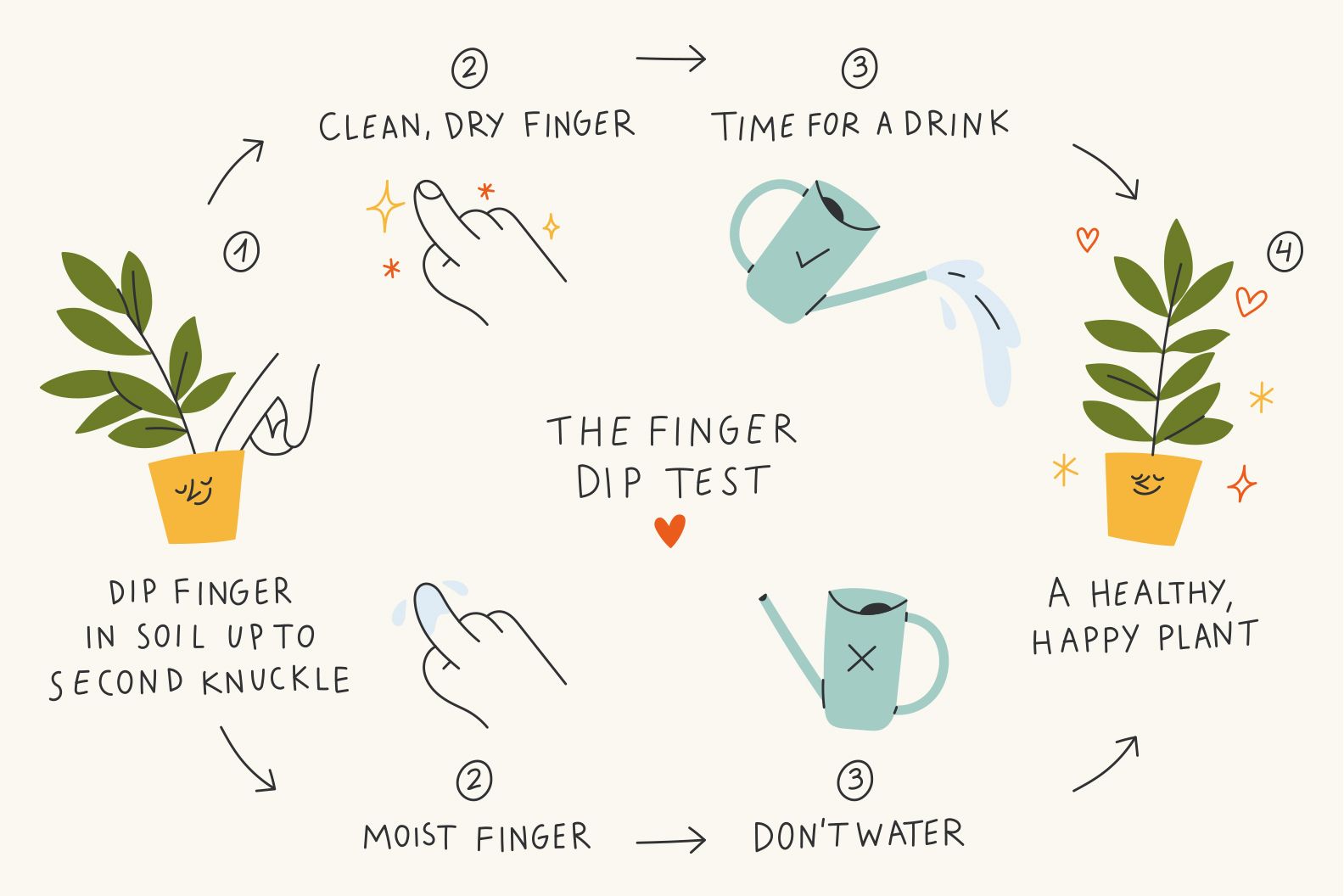
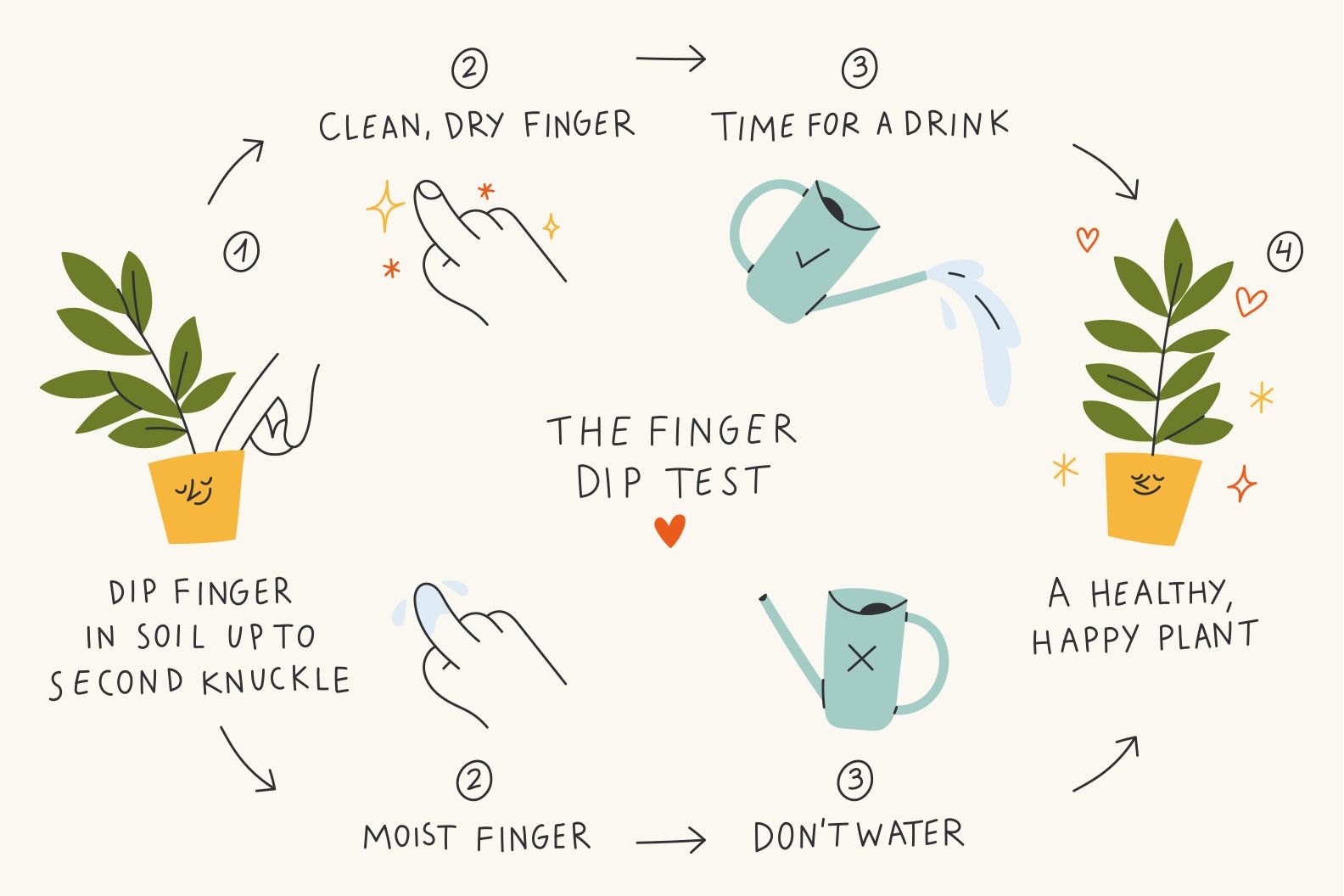
Check for “crispy” edges on the leaves. If the tips are turning brown and brittle, the air is likely too dry. Another trick is the “finger test.” Stick your finger about two inches into the soil. If it feels like a desert in there, it’s time for a soak. If it’s still cool and damp, step away from the hose.
Master the Art of Deep Watering
During the dry season, light sprinkling is useless. Most of that water evaporates before it even reaches the roots. Instead, you want to go for a deep soak. This encourages the roots to grow further down into the soil where it’s cooler and wetter, rather than staying near the surface where they’ll fry.
The best time to water is early in the morning—think 6:00 AM to 8:00 AM. This gives the plant plenty of time to drink up before the sun starts beating down. If you miss the morning window, late evening is your second-best bet, though you have to be careful not to get too much water on the leaves, as damp foliage at night can lead to fungal issues.
Mulch Is Your New Best Friend
If you haven’t discovered the magic of mulching yet, now is the time. Think of mulch as a cozy blanket for your soil. By spreading a layer of organic matter—like wood chips, straw, or even dried leaves—around the base of your plants, you’re creating a barrier that traps moisture in the ground.
Mulch does two big things: it keeps the soil temperature down and drastically reduces evaporation. Plus, as it breaks down, it adds nutrients back into the dirt. It’s a win-win. Just make sure you don’t pile it right up against the stem of the plant, as that can cause the bark to rot. Leave a little “donut” of space around the main stalk.
Group Your Plants for a Humidity Boost
Plants breathe through a process called transpiration. They essentially “sweat” out moisture. When you have one lonely plant sitting in a hot corner, that moisture vanishes instantly. But, if you group your plants together, they create a little microclimate of humidity.
By huddling them up, they share the moisture they’re releasing, making the air around them significantly less dry. This is especially helpful for indoor tropical plants that miss the jungle vibes. You can also place trays of water with pebbles near them to add even more moisture to the air as the water evaporates.
Cool the Roots with Shading
Sometimes it’s not the lack of water that kills a plant, but the sheer intensity of the sun. In the peak of the dry season, the midday sun can actually cook the roots of plants in pots. If you notice your potted plants are struggling despite regular watering, they might just be overheating.
Consider moving your pots to a spot that gets afternoon shade. If your plants are stuck in the ground and can’t move, you can use shade cloth or even a well-placed patio umbrella to give them a break during the hottest hours (usually between 12:00 PM and 4:00 PM).
Hold Off on the Fertilizer
It might seem counterintuitive, but the dry season is generally a bad time to fertilize. Fertilizers encourage new growth, and new growth requires a lot of energy and water to maintain. When a plant is already stressed from the heat, the last thing it wants to do is go through a growth spurt.
Furthermore, many fertilizers contain salts. In dry conditions, these salts can build up in the soil and actually “burn” the roots because there isn’t enough water to flush them through. Wait until the weather cools down or the rainy season returns before you start feeding them again.
Prune Strategically but Sparingly
You might be tempted to cut off every brown leaf you see, but hold your horses. While removing dead or diseased foliage is good, heavy pruning during a drought can stress the plant further.
However, removing “suckers” or unnecessary spindly growth can actually help the plant conserve water. The goal is to help the plant focus its limited resources on its main structure rather than trying to support a bunch of extra leaves. Just don’t go overboard; those leaves actually provide shade for the plant’s own stems.
Check Your Pots and Containers
Potted plants are way more vulnerable to the dry season than those in the ground. Terracotta pots, while beautiful, are porous and allow water to evaporate through the sides. If you have plants in terracotta, you might need to water them twice as often.
If you’re struggling to keep up, consider “double-potting.” Place your porous pot inside a larger plastic or glazed ceramic pot and fill the gap with damp moss or soil. This creates an extra layer of insulation against the heat.
Use Gray Water If Things Get Desperate
If you live in an area with water restrictions during the dry season, you have to get creative. “Gray water” is the leftover water from your household chores—like the water you used to rinse your veggies or the water that runs while you’re waiting for the shower to get hot.
As long as the water doesn’t contain harsh chemicals or heavy soaps, most outdoor plants will be perfectly happy with it. Just keep a bucket in the kitchen or the shower to catch the “waste” water, and your garden will thank you.
—
Conclusion
Surviving the dry season is all about working with nature rather than fighting it. By focusing on deep watering, protecting the soil with mulch, and giving your plants a little bit of shade, you can keep your garden looking lush even when the clouds are empty. Remember to listen to what your plants are telling you—if they look stressed, they probably are! Take it slow, keep an eye on the soil moisture, and you’ll both make it to the next rainy season in one piece.
—
FAQs
How can I tell if I’m overwatering during a drought?
Overwatering often looks similar to underwatering, but the key difference is in the texture. If the leaves are yellowing and feel soft or “mushy” rather than crispy, and the soil feels like a swamp, you’re likely overdoing it. Root rot can happen fast in warm, wet soil.
Is misting my plants actually helpful?
Misting provides a very temporary boost in humidity—usually lasting only a few minutes. While it feels like you’re helping, it’s not a substitute for proper soil moisture or a humidifier. For some plants, it can even encourage fungal spots on the leaves if the air circulation is poor.
Can I use ice cubes to water my plants in the heat?
It’s generally not recommended. While the “ice cube method” is popular for orchids, the extreme cold can shock the roots of most tropical or garden plants. It’s much better to use room-temperature water that can soak deep into the root system.
Which plants are the most “drought-tolerant”?
Succulents, cacti, and Mediterranean herbs like rosemary and lavender are champs at handling the dry season. If you find yourself constantly losing plants to the heat, you might want to look into “xeriscaping,” which involves choosing plants naturally adapted to dry climates.
Does the type of soil affect how often I should water?
Absolutely. Sandy soil drains very quickly and will need more frequent watering and mulch. Clay soil holds onto water much longer but can become hard and “baked” in the sun, making it difficult for water to penetrate. Adding compost can help both soil types retain a healthy balance of moisture.

:max_bytes(150000):strip_icc()/low-light-conditions-houseplants-1902917-834ee8847a324939b796845a6bc22d36.png?resize=200,135&ssl=1 "Snake Plant (")

