
The Definitive Guide to garden Tool Sharpeners: Keeping Your Blades Keen
A well-maintained garden is a testament to dedication and care. But even the most passionate gardener can struggle with dull tools. A blunt blade tears instead of cuts, leading to ragged plant edges, increased effort, and potential damage to your precious flora. This is where a quality garden tool sharpener becomes an indispensable asset. This comprehensive guide will delve into the world of sharpeners, exploring different types, techniques, and considerations to help you keep your tools in peak condition.
Why Sharp Tools Matter
Before diving into the mechanics of sharpening, let’s understand why it’s so crucial:
Clean Cuts: Sharp blades create clean, precise cuts, minimizing damage to plants and promoting healthy regrowth.
Types of Garden Tool Sharpeners
The market offers a wide range of sharpeners, each with its own strengths and weaknesses. Choosing the right one depends on your needs, budget, and the types of tools you own.
Handheld Sharpeners
Sharpening Stones (Whetstones): These traditional sharpeners come in various grits, from coarse for repairing damaged edges to fine for honing a razor-sharp finish. They require practice and skill but offer excellent control and versatility.
Electric Sharpeners

Benchtop Sharpeners: These powerful sharpeners are designed for workshop use and can handle a wide range of tools. They often feature multiple sharpening stages and adjustable angles.
Specialty Sharpeners
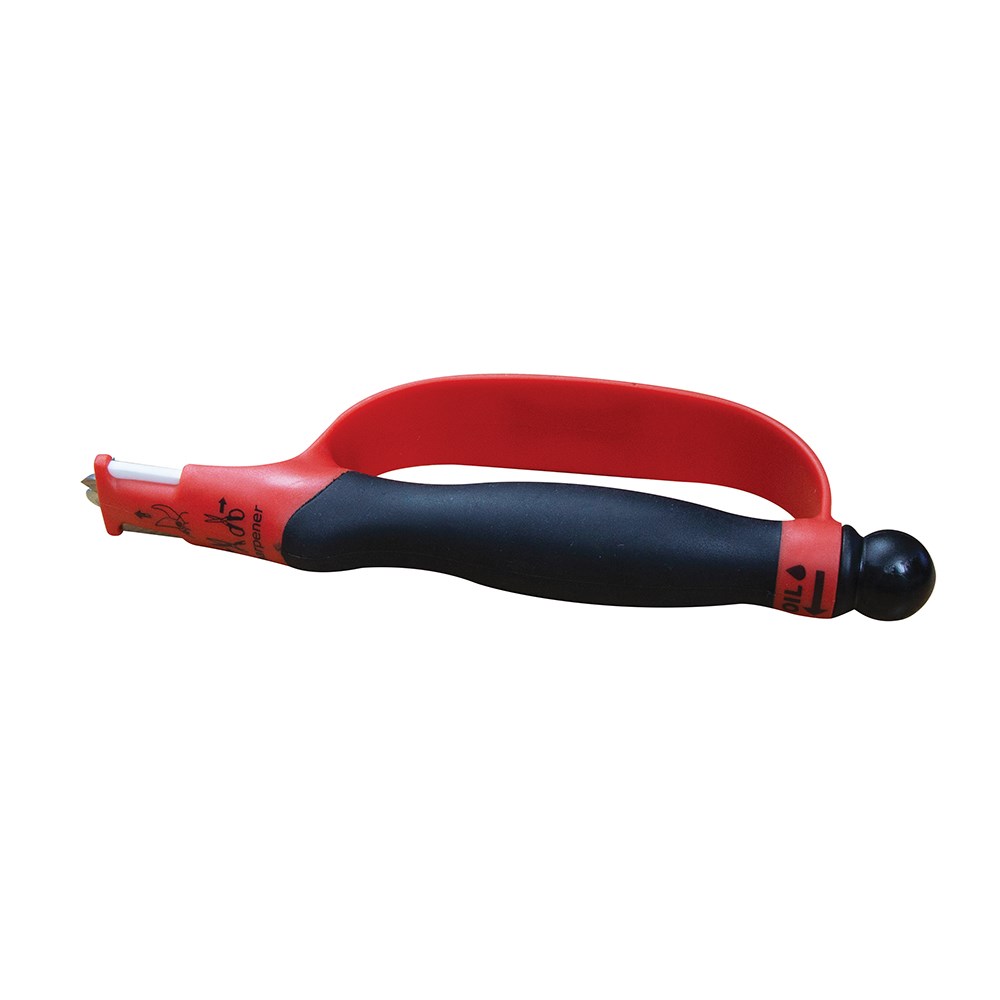
Pruner Sharpeners: Designed specifically for pruning shears and loppers, these sharpeners ensure the correct sharpening angle for these specialized tools.
Choosing the Right Sharpener
Consider these factors when selecting a garden tool sharpener:
Tool Types: Different sharpeners are better suited for specific tools. Consider the types of tools you need to sharpen regularly.
Sharpening Techniques
The sharpening technique varies depending on the type of sharpener and tool. Here are some general guidelines:
Sharpening Stones
1. Prepare the Stone: Soak water stones in water for 10-15 minutes before use. Oil stones require a light coating of honing oil.
2. Angle: Maintain a consistent angle of 20-30 degrees between the blade and the stone.
3. Stroke: Push the blade away from you, maintaining the angle. Repeat on both sides of the blade.
4. Progression: Start with a coarse grit and gradually move to finer grits for a polished edge.
5. Burr Removal: After sharpening, remove the burr (a thin wire edge) by lightly stropping the blade on a fine stone or piece of leather.
Files
1. Secure the Tool: Clamp the tool securely in a vise.
2. Angle: Maintain a consistent angle of 45 degrees between the file and the blade.
3. Stroke: Push the file away from you, following the bevel of the blade.
4. Direction: Only file in one direction, lifting the file on the return stroke.
Electric Sharpeners
1. Follow Instructions: Carefully read and follow the manufacturer’s instructions.
2. Angle: Ensure the blade is properly positioned in the sharpening slot.
3. Pressure: Apply light, consistent pressure.
4. Cooling: Allow the blade to cool between passes to prevent overheating.
General Sharpening Tips
Clean Tools: Clean tools before sharpening to remove dirt and debris.
Maintaining Your Sharpened Tools
Once you’ve sharpened your tools, proper maintenance is essential to keep them in top condition.
Clean After Use: Clean your tools after each use to remove dirt and sap.
Common Sharpening Mistakes to Avoid
Incorrect Angle: Maintaining a consistent angle is crucial for achieving a sharp edge.
Conclusion
A sharp garden tool is a joy to use and a vital component of successful gardening. By understanding the different types of sharpeners, mastering basic sharpening techniques, and practicing regular maintenance, you can keep your tools in peak condition and enjoy the rewards of a well-maintained garden. Whether you prefer the traditional approach of sharpening stones or the convenience of electric sharpeners, the key is to find a system that works for you and stick with it. With a little practice and dedication, you’ll be able to keep your blades keen and your garden thriving.


