
The Heart of Cultivation: Exploring the Main garden
The main garden, often referred to as the “heart” or “central axis” of a larger horticultural space, is more than just a collection of plants. It’s a carefully orchestrated symphony of nature, a testament to the gardener’s vision, and a dynamic ecosystem that evolves with the seasons. Whether a sprawling estate’s formal parterre or a compact urban backyard’s vibrant display, the main garden serves as a focal point, a place of beauty, sustenance, and connection to the natural world. This expansive exploration delves into the diverse facets of the main garden, examining its design, purpose, and the myriad ways it enriches our lives.
The concept of a “main garden” is inherently relative. It’s defined by its prominence within a larger landscape. In a grand estate, it might be the meticulously manicured area closest to the house, designed for formal display and entertaining. In a smaller garden, it could be the central bed where the most prized plants are cultivated, or the sunniest spot reserved for vegetables and herbs. Regardless of size, the main garden typically embodies the following characteristics:
Centrality and Prominence

It occupies a key location, visible and accessible, often serving as the first impression of the garden as a whole.
Design Intent
It reflects a clear design philosophy, whether formal or informal, functional or ornamental.
Focus and Purpose
It serves a specific purpose, whether it’s to showcase a collection of plants, provide food, create a space for relaxation, or a combination of these.
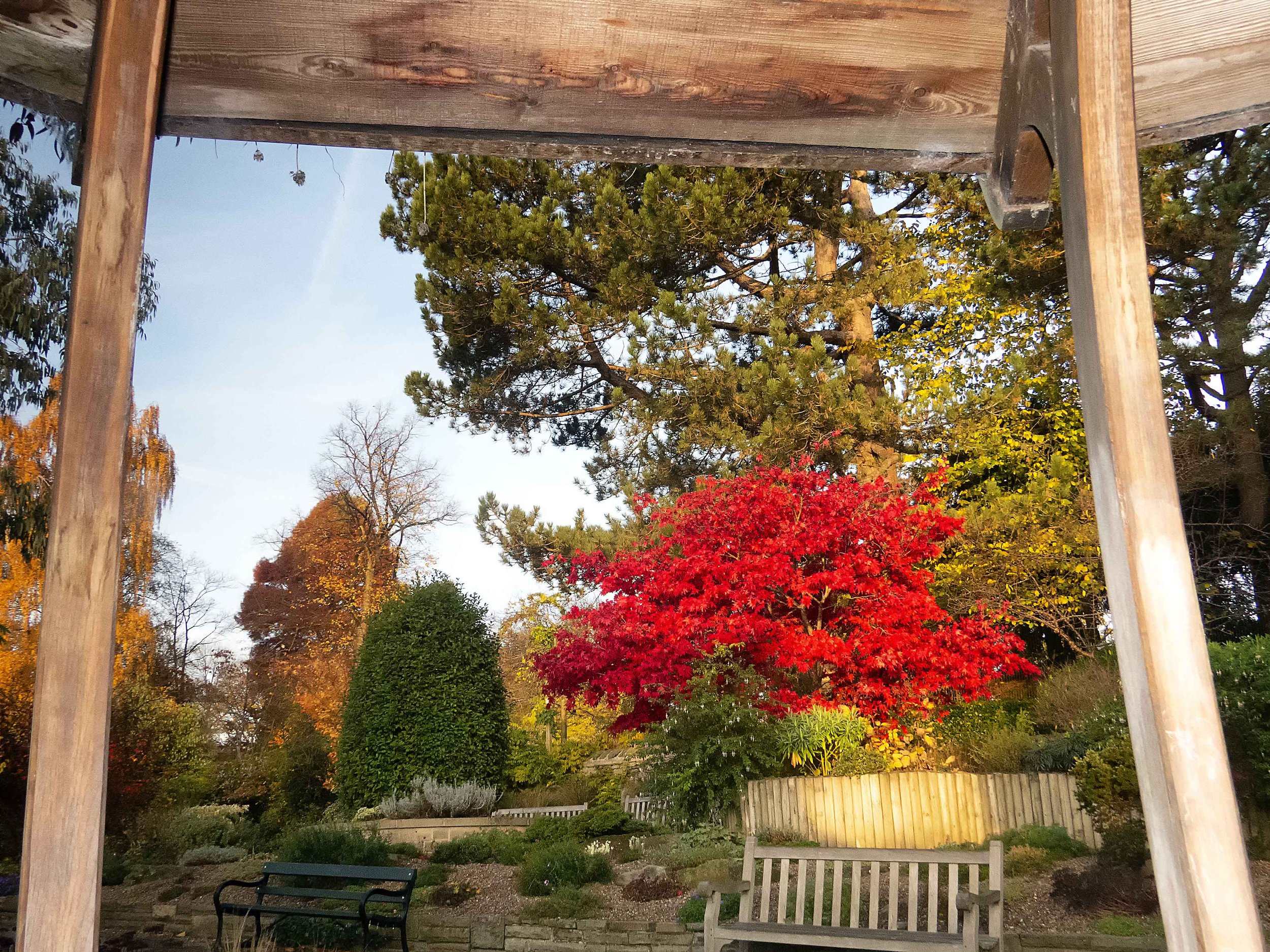
The design of a main garden is a crucial step, requiring careful consideration of several factors.
Scale and Proportion
The garden’s size must be in proportion to the surrounding landscape and the house. A grand, symmetrical design might overwhelm a small backyard, while a tiny, informal bed could feel insignificant in a large estate.
Formality vs. Informality
Formal gardens, characterized by symmetry, straight lines, and geometric shapes, evoke a sense of order and grandeur. Informal gardens, with their flowing lines, naturalistic plantings, and relaxed atmosphere, create a sense of tranquility and connection to nature.
Pathways and Circulation
Well-defined pathways are essential for navigating the garden, creating a sense of direction and guiding visitors through its various features. The choice of materials, from stone and brick to gravel and wood, contributes to the overall aesthetic.
Focal Points and Features
A focal point, such as a fountain, sculpture, or specimen tree, draws the eye and creates a sense of visual interest. Other features, like seating areas, arbors, and water features, enhance the garden’s functionality and aesthetic appeal.
Plant Selection and Composition
The selection of plants is paramount, considering factors like color, texture, height, bloom time, and suitability to the local climate. Plant composition, the arrangement of plants within the garden, is crucial for creating visual harmony and balance.
The main garden often showcases a diverse array of plants, reflecting the gardener’s interests and the garden’s purpose.
Ornamental Plants
Flowers, shrubs, and trees provide visual appeal, adding color, texture, and fragrance. Consider the following:
Perennials
These plants return year after year, providing a consistent backdrop and seasonal displays.
Annuals
These plants complete their life cycle in a single season, offering vibrant bursts of color and filling gaps in the garden.
Bulbs
These plants provide early spring blooms and add a touch of whimsy to the garden.
Shrubs and Trees
These plants provide structure, shade, and vertical interest, creating a sense of depth and dimension.
Edible Plants
Vegetables, herbs, and fruits provide sustenance and a connection to the food we eat. Consider the following:
Vegetable Beds
These beds provide a dedicated space for growing vegetables, from leafy greens and root vegetables to tomatoes and peppers.
Herb Gardens
These gardens provide a convenient source of fresh herbs for cooking and medicinal purposes.
Fruit Trees and Bushes
These plants provide a bounty of fruit, adding flavor and nutrition to the garden.
The main garden is a dynamic landscape that changes with the seasons, offering a constantly evolving display of color, texture, and fragrance.
Spring Awakening
Bulbs emerge from the earth, trees burst into bloom, and the garden awakens from its winter slumber.
Summer Abundance
Flowers reach their peak, vegetables ripen, and the garden is filled with life and activity.
Autumnal Splendor
Leaves change color, fruits ripen, and the garden takes on a warm, golden hue.
Winter Rest
The garden enters a period of dormancy, providing a stark beauty and a sense of anticipation for the coming spring.
Maintaining a main garden requires consistent effort and attention.
Watering
Regular watering is essential, especially during dry periods.
Weeding
Removing weeds prevents them from competing with desired plants for water, nutrients, and sunlight.
Fertilizing
Providing plants with the necessary nutrients ensures healthy growth and abundant blooms.
Pruning and Deadheading
Pruning encourages new growth and maintains the desired shape of plants, while deadheading spent flowers promotes continuous blooming.
Pest and Disease Control
Monitoring plants for signs of pests and diseases and taking appropriate measures to control them is crucial for maintaining a healthy garden.
The main garden offers more than just visual appeal. It plays a vital role in our lives, providing a space for relaxation, recreation, and connection to nature.
A Sanctuary for Relaxation
The garden provides a peaceful and tranquil environment, a place to escape the stresses of daily life and reconnect with nature.
A Space for Recreation
The garden offers opportunities for outdoor activities, from gardening and playing to picnicking and entertaining.
A Connection to Nature
The garden fosters a deeper appreciation for the natural world, promoting a sense of stewardship and environmental awareness.
A Source of Inspiration
The garden provides a constant source of inspiration, stimulating creativity and fostering a sense of wonder.
The concept of the main garden continues to evolve in the 21st century, adapting to changing lifestyles and environmental concerns.
Sustainable Gardening Practices
More gardeners are embracing sustainable practices, such as composting, rainwater harvesting, and using native plants, to reduce their environmental impact.
Urban Gardening
The main garden is finding new expression in urban environments, with rooftop gardens, vertical gardens, and community gardens bringing nature into the city.
Technology Integration
Technology is playing an increasingly important role in gardening, with smart irrigation systems, weather monitoring tools, and online resources making gardening more accessible and efficient.
The main garden, in its myriad forms, remains a vital part of our lives, offering a connection to nature, a source of beauty and sustenance, and a sanctuary for relaxation and recreation. Its enduring appeal lies in its ability to adapt to changing times and reflect the unique vision of each gardener, creating a living tapestry that enriches our lives and connects us to the natural world.


