
Best Small Bonsai Plants for Your Home: A Guide for Beginners
Bonsai. The word itself conjures images of ancient, gnarled trees, meticulously cared for over centuries. But what if I told you that you don’t need a sprawling garden/’>garden or decades of experience to enjoy this art form? In fact, some of the most beautiful and rewarding bonsai are small, manageable, and perfect for a cozy corner of your home.
If you’re a beginner looking to dip your toes into the world of bonsai, starting small is the best way to go. These miniature trees are not only adorable but also less demanding than their larger counterparts. They’re perfect for an apartment windowsill, a desk, or a small balcony. And let’s be honest, there’s something incredibly satisfying about nurturing a tiny tree to perfection.
So, let’s explore some of the best small bonsai plants that are perfect for beginners. These are species known for their resilience, beauty, and ability to thrive in a home environment.
The Ficus Ginseng is arguably the most popular bonsai for beginners, and for good reason. Its most striking feature is its thick, bulbous, exposed roots that look like a miniature version of a banyan tree’s aerial roots. The tree is incredibly forgiving and can tolerate a wide range of conditions, making it an excellent choice for those still learning the ropes.
It’s a tropical plant, so it loves a warm, humid environment. A little misting now and then will keep it happy. It’s also quite resilient to a little bit of neglect, so if you forget to water it once in a while, it’s not the end of the world. Just make sure to place it in a spot with plenty of bright, indirect light. The Ficus Ginseng is also a great candidate for shaping and pruning, allowing you to experiment with different styles as you gain confidence.
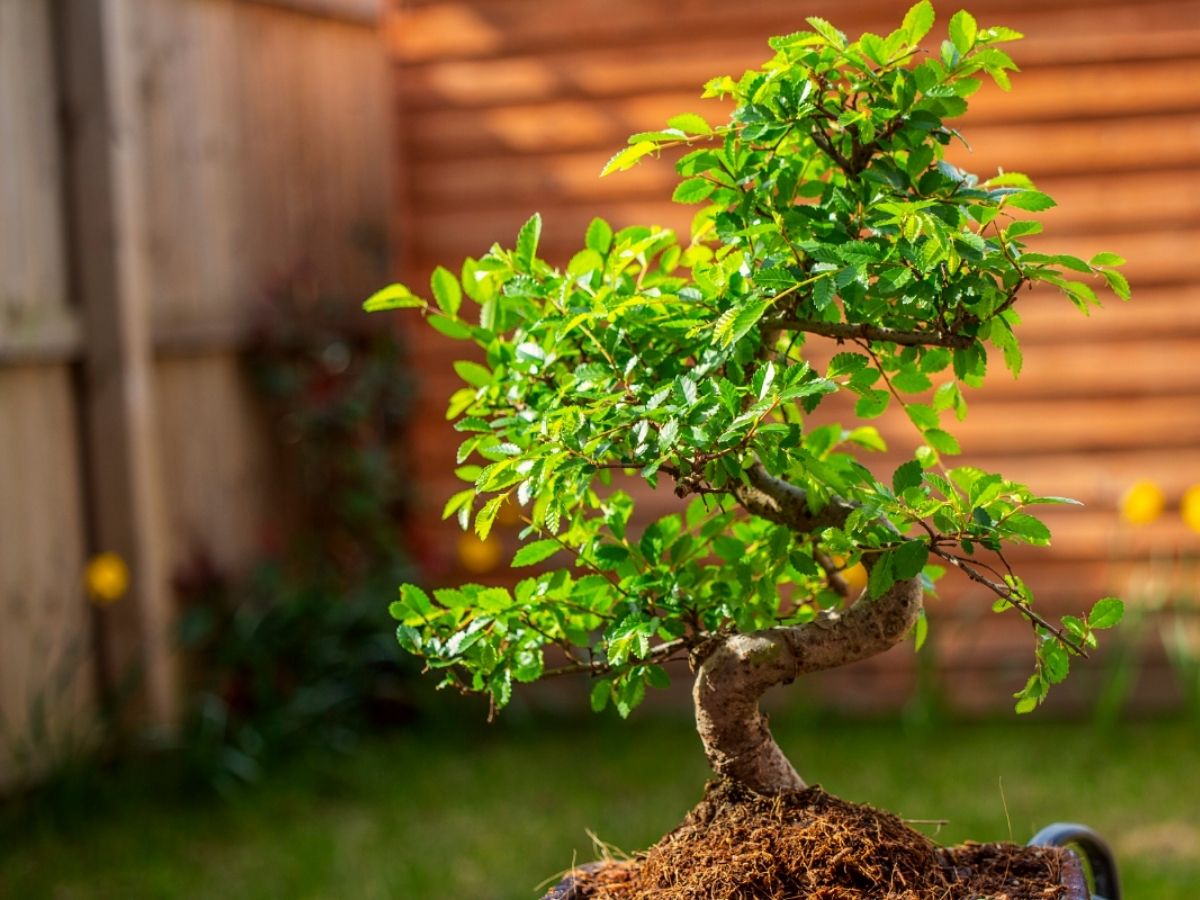
The Chinese Elm is a classic bonsai tree that has been a favorite for centuries. Its small, delicate leaves and graceful, weeping branches make it a visually stunning plant. It’s also one of the most adaptable bonsai species, able to withstand both indoor and outdoor conditions. This flexibility is a huge plus for a beginner who might not have a dedicated outdoor space for their plant.
The Chinese Elm is known for its fast growth, which means you’ll see a lot of progress in a short amount of time. This can be very encouraging for a new bonsai enthusiast. It’s also relatively easy to care for, requiring consistent watering and a good amount of sunlight. Its strong trunk and dense branching make it a great canvas for a variety of bonsai styles.
If you’re looking for a bonsai that’s almost impossible to kill, the Dwarf Jade is your best bet. Also known as the “Elephant Bush,” this succulent is incredibly drought-tolerant and thrives on neglect. Its fleshy leaves and woody stems give it a unique, rugged appearance that looks great in a bonsai pot.
Since it’s a succulent, the Dwarf Jade stores water in its leaves and stems, so you only need to water it when the soil is completely dry. This makes it perfect for those with a busy schedule or a tendency to forget about their plants. It loves bright, direct sunlight, so a sunny windowsill is the ideal spot. The Dwarf Jade is also very easy to prune and shape, making it a great plant for practicing your bonsai techniques.
For those who are drawn to the classic, coniferous look of a bonsai, the Dwarf Juniper is an excellent choice. Its deep green, scaly needles and rugged bark give it a timeless, majestic feel. While it’s often grown outdoors, it can be kept indoors with proper care, especially in a cool, well-lit room.
The key to a happy Juniper is good air circulation and plenty of sunlight. It doesn’t like to be overwatered, so make sure the soil has a chance to dry out between waterings. The Juniper is perfect for creating a windswept or cascading style, allowing you to create a dynamic and dramatic-looking tree. It’s a bit more demanding than the Ficus or Dwarf Jade, but the reward is a truly stunning and authentic-looking bonsai.
Also known as the Dwarf Umbrella Tree, the Schefflera is a fantastic tropical option for a small bonsai. Its glossy, palm-like leaves create a lush, tropical canopy that looks great on a desk or side table. It’s a very easygoing plant that can tolerate a range of light conditions, from low to bright, indirect light.
The Schefflera is also very forgiving when it comes to watering. It can handle a little bit of drought but thrives with consistent moisture. Its thick trunk and aerial roots make it a great candidate for shaping and styling. The Schefflera is perfect for a beginner who wants a tropical-looking bonsai that’s low-maintenance and visually appealing.
Starting your bonsai journey with a small, manageable plant is the key to success and enjoyment. The species listed above are not only beautiful but also resilient and forgiving, making them the perfect companions for a beginner. They allow you to practice the art of bonsai without the pressure of a high-maintenance plant.
Remember, the goal of bonsai is not just to create a miniature tree but to foster a deeper connection with nature and practice patience and mindfulness. As you care for your small bonsai, you’ll learn to observe its needs, anticipate its growth, and appreciate the subtle beauty of a living, breathing work of art.
So, pick a species that speaks to you, find a cozy spot in your home, and start your journey into the wonderful world of bonsai. You’ll soon discover that even in the smallest of forms, there is a world of beauty to be found. And who knows, this small beginning might just lead to a lifelong passion.


