
Plants for a Breath of Fresh Air: Your Bedroom’s Green Allies
We’ve all heard the advice: get a good night’s sleep. But what if the very air you’re breathing is working against you? The air inside our homes, especially in a closed-off room like a bedroom, can be more polluted than the air outside. Volatile organic compounds (VOCs) like formaldehyde and benzene from furniture, paints, and everyday cleaning products can linger, impacting your sleep quality and overall health.
But here’s a simple, natural, and beautiful solution: bring the outside in. Certain plants are not just pretty additions to your decor; they’re powerful air purifiers, working silently to filter out toxins and release oxygen, making your bedroom a sanctuary of clean, fresh air. Think of them as tiny, green superheroes, on duty while you sleep. And the best part? You don’t need a green thumb to keep them happy. Many of these air-purifying plants are incredibly low-maintenance.
Let’s dive into some of the best green allies for your bedroom, and discover how to choose the right ones for your space and lifestyle.
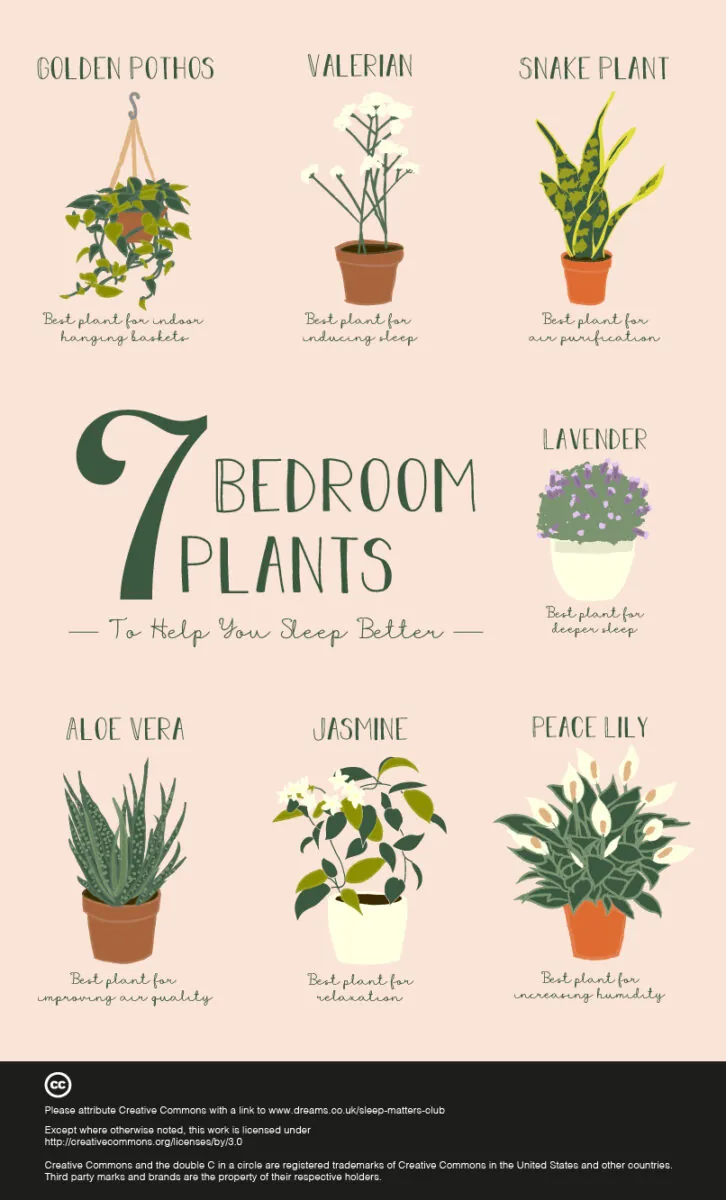
The NASA Clean Air Study: The Science Behind the Greenery
Back in the late 1980s, NASA conducted a groundbreaking study to find the best way to clean the air in space stations. Their findings proved that certain common houseplants are incredibly effective at removing airborne toxins. This research, known as the NASA Clean Air Study, provided a scientific basis for what many plant lovers already suspected: plants are a natural air filtration system. They absorb harmful gases through their leaves and even from their roots, breaking them down into harmless compounds.
Top Picks for a Clean Air Bedroom
1. Snake Plant (Sansevieria trifasciata)
This is the ultimate low-maintenance champion. Also known as “Mother-in-Law’s Tongue,” the snake plant is famous for its ability to filter out formaldehyde, trichloroethylene, benzene, and xylene. What makes it a perfect bedroom plant is its unique ability to convert carbon dioxide into oxygen at night, which is when most plants do the opposite. It thrives on neglect, needing water only every few weeks, and can tolerate low light conditions, making it an ideal choice for even the shadiest of bedrooms.
2. Spider Plant (Chlorophytum comosum)
With its iconic arching leaves and “spiderettes” that dangle from the main plant, the spider plant is a favorite for a reason. It’s a powerhouse against formaldehyde and xylene. It’s also one of the easiest plants to care for and propagate. Water it once a week, give it some indirect sunlight, and watch it flourish. It’s also non-toxic to pets, which is a big plus for animal lovers.
3. Peace Lily (Spathiphyllum)
Elegant and graceful, the peace lily is more than just a beautiful bloom. It’s a hard worker, filtering out a whole host of VOCs, including benzene, formaldehyde, trichloroethylene, and ammonia. It’s a great indicator of its needs—its leaves will droop when it’s thirsty, making it easy to know when to water. It prefers low to medium light and enjoys a little humidity, so it’s a great option if you have a humidifier in your room.
4. English Ivy (Hedera helix)
Known for its classic, trailing vines, English Ivy is a fantastic choice for hanging baskets or high shelves, keeping it out of reach of pets and children. It’s particularly effective at reducing airborne fecal matter particles and mold, making it an excellent choice for bedrooms that might be a bit damp. It’s also a champ at filtering out benzene, trichloroethylene, and formaldehyde. Keep it in a spot with indirect sunlight and let its soil dry out between waterings.
5. Areca Palm (Dypsis lutescens)
If you have a bit more space and want a tropical vibe, the Areca Palm is a stellar choice. It’s a prolific humidifier, releasing a significant amount of moisture into the air, which can be a relief for dry sinuses. It’s also a top-notch air purifier, removing formaldehyde, xylene, and toluene. It’s a bit more demanding than the snake plant, needing bright, indirect light and regular watering, but its benefits for air quality are well worth the effort.
6. Boston Fern (Nephrolepis exaltata)
This classic fern is a humidity lover, making it a wonderful addition to a bedroom. It’s one of the best plants for removing formaldehyde from the air. The Boston Fern’s lush fronds can add a touch of woodland charm to your space. It does need consistent moisture, so don’t let its soil dry out completely, and it thrives in medium light.
7. Rubber Plant (Ficus elastica)
With its glossy, dark leaves, the rubber plant is a striking statement piece. It’s excellent at removing formaldehyde from the air and is generally quite forgiving. It’s a fast grower and can get quite large, so be prepared to give it some space. It prefers bright, indirect light but can tolerate lower light levels. A quick wipe of its leaves with a damp cloth every now and then will keep them shiny and maximize their air-purifying power.
Caring for Your Green Allies: Simple Tips for Success
The key to keeping your plants happy and working their magic is a little bit of knowledge and a lot of common sense. Here are a few simple tips to ensure your bedroom garden/’>garden thrives:
Don’t Overwater: This is the most common mistake. Always check the soil before you water. For most of these plants, let the top inch or two of soil dry out completely before you give them a drink.
Conclusion: A Simple Step Towards a Healthier You
Adding plants to your bedroom isn’t just about aesthetics; it’s a simple, natural, and beautiful way to improve your health. By choosing a few of these air-purifying powerhouses, you’re not just decorating; you’re creating a cleaner, more oxygen-rich environment for rest and rejuvenation.
Imagine drifting off to sleep with the silent, tireless work of nature’s best filters. You’ll wake up feeling more refreshed, knowing that while you were dreaming, your green allies were busy making your space a healthier place to be. So go ahead, choose a plant (or two!), find the perfect spot, and start breathing a little easier. Your body and mind will thank you for it.

:max_bytes(150000):strip_icc()/low-light-conditions-houseplants-1902917-834ee8847a324939b796845a6bc22d36.png?resize=200,135&ssl=1 "Snake Plant (")

