
If you’re looking to turn your patio or windowsill into a lush oasis, here is a guide to the best plants for pots and containers that are hard to kill and look fantastic.
Why Container garden gardening is a Game Changer
Before we dive into the specific plants, let’s talk about why you’d bother with pots in the first place. First, portability. If a plant is getting scorched by the afternoon sun, you can just pick it up and move it to the shade. You can’t do that with a rose bush planted in the ground!
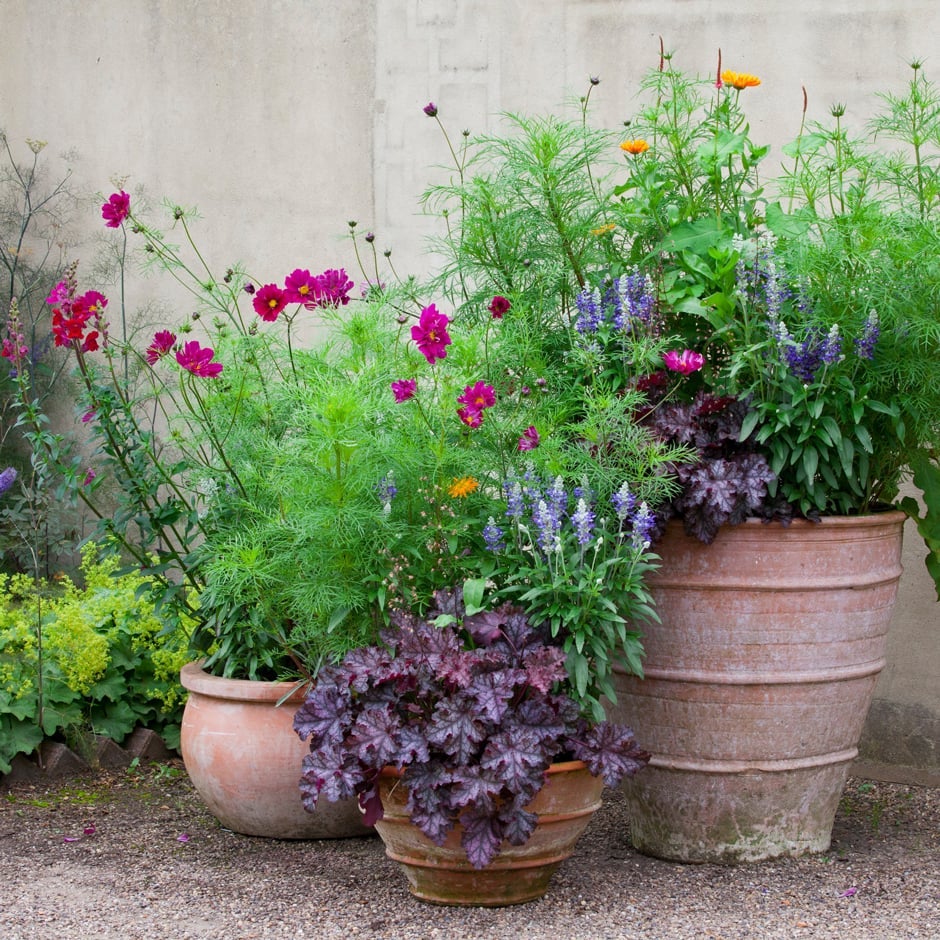
Second, it’s a lifesaver for people with “bad” soil. If your backyard is mostly clay or rocks, a pot filled with high-quality potting mix solves that problem instantly. Plus, it keeps invasive plants (looking at you, Mint) from taking over your entire property.
Herbs The Kitchen Essentials
If you are a beginner, start with herbs. There is nothing more satisfying than snipping fresh basil for a homemade pizza or tossing some rosemary onto roasted potatoes.
Sweet Basil
Basil loves the heat and thrives in pots. It needs a lot of sunlight—at least six hours a day—and consistent moisture. The trick with basil is to pinch off the top leaves regularly. This encourages the plant to grow “out” rather than “up,” making it bushier and more productive.
Rosemary
Rosemary is like that friend who never asks for much. It’s a Mediterranean plant, meaning it loves dry, sandy soil and doesn’t mind if you forget to water it for a few days. Because it can grow into a woody shrub, make sure you choose a sturdy pot with excellent drainage.
Mint
Mint is the “rebel” of the garden world. If you plant it in the ground, it will eventually own your house. In a container, however, it’s perfectly behaved. It’s incredibly hardy and can handle a bit more shade than other herbs.
Vibrant Flowers for Instant Curb Appeal
If you want your porch to pop with color, these flowering plants are the gold standard for container life.
Petunias
Petunias are the MVPs of hanging baskets and window boxes. They come in every color imaginable and bloom relentlessly from spring until the first frost. They do require “deadheading” (pinching off the wilted flowers) to keep new blooms coming, but the visual payoff is worth the five minutes of work.
Geraniums
Geraniums are classic for a reason. They are tough, drought-tolerant, and have these big, beautiful clusters of flowers. They actually prefer their soil to dry out a bit between waterings, so they are perfect for the “forgetful” gardener.
Pansies and Violas
If you’re gardening in the early spring or late fall when it’s still a bit chilly, pansies are your best bet. They love the cool weather and can even survive a light frost. Their “faces” add a ton of personality to a small pot on a bistro table.
Vegetables That Love Tight Spaces
You don’t need an acre of land to grow your own food. Many modern vegetable varieties are specifically bred for “patio” life.
Cherry Tomatoes
While a giant beefsteak tomato might struggle in a pot, cherry tomatoes thrive. Look for “determinate” or “bush” varieties. They stay compact but still produce hundreds of tiny, sweet tomatoes. Just make sure you provide a small cage or stake for support.
Lettuce and Salad Greens
Lettuce has very shallow roots, which makes it the perfect candidate for wide, shallow bowls or troughs. You can grow a “cut and come again” salad garden where you harvest the outer leaves and let the center keep growing. It’s much fresher than the bagged stuff from the store.
Bell Peppers
Peppers are actually quite ornamental. A pot with green, yellow, and red peppers hanging from it looks just as good as a flower arrangement. They like warm soil, and since pots heat up faster than the ground, peppers often grow better in containers.
Foliage Plants for a Lush Look
Sometimes you just want deep greens and interesting textures. These plants are the “architects” of the container world.
Hostas
Usually thought of as groundcover, Hostas look incredibly elegant in large urns. They are the kings of the shade. If you have a dark porch that never gets direct sun, a Hosta will be very happy there.
Caladiums
If you want color without flowers, Caladiums are the answer. Their heart-shaped leaves come in stunning patterns of pink, white, and neon green. They love humidity and shade, making them perfect for a covered patio.
Common Mistakes to Avoid
Even with the right plants, container gardening has a few pitfalls. The biggest one? Drainage. Every pot must have a hole in the bottom. If the water has nowhere to go, the roots will sit in “wet feet” and eventually rot.
The second mistake is under-fertilizing. Because you are watering pots frequently, the nutrients wash out of the soil faster than they would in the ground. Use a liquid fertilizer or slow-release granules every few weeks during the growing season to keep your plants fed.
Conclusion
Container gardening is the perfect blend of hobby and home decor. Whether you’re growing a tiny forest of herbs on your windowsill or a vibrant collection of flowers on your balcony, the key is to match the plant to your environment. Start small, remember to check the soil moisture with your finger, and don’t be afraid to experiment. There is a specific kind of peace that comes from watching something grow under your care, even if it’s just in a 12-inch terracotta pot.
Frequently Asked Questions
How often should I water plants in pots compared to the ground?
Pots dry out much faster than the ground because the air hits the sides of the container. In the heat of summer, you might need to water container plants every single day, whereas in-ground plants might only need it twice a week.
Can I reuse the same potting soil next year?
It’s tempting, but it’s better to refresh it. Over a season, plants suck all the nutrients out of the soil, and it can become compacted. At the very least, mix in 50% new compost or fresh soil to give your new plants a fighting chance.
What is the best type of pot for outdoor plants?
Terracotta is beautiful and breathable but dries out very fast. Plastic or resin pots hold moisture longer and are much lighter to move. If you live in a very hot climate, plastic might actually be easier to manage.
Do I really need “Potting Mix” or can I just use garden soil?
Never use straight garden soil in a pot! It’s too heavy and will pack down like a brick, suffocating the roots. Potting mix is actually “soilless”—it’s a fluffy blend of peat moss, pine bark, and perlite designed specifically to let roots breathe.
How do I know if my plant has outgrown its container?
If you see roots poking out of the drainage holes at the bottom, or if water runs straight through the pot without soaking in, your plant is likely “root-bound.” It’s time to move it to a pot that is 2-4 inches wider in diameter.

:max_bytes(150000):strip_icc()/low-light-conditions-houseplants-1902917-834ee8847a324939b796845a6bc22d36.png?resize=200,135&ssl=1 "Snake Plant (")

