
Natural Indoor Plants for Your Wellbeing: A Breath of Fresh Air
In the fast-paced, digital world we inhabit, finding pockets of peace and connection with nature can feel like a luxury. But what if the solution was as simple as bringing a piece of the outdoors inside? The trend of incorporating natural indoor plants into our living and working spaces is far more than just a passing fad; it’s a powerful and accessible way to improve our physical and mental wellbeing. These silent, green companions do more than just beautify a room; they actively contribute to a healthier, happier you. This article will explore the profound benefits of natural indoor plants, delve into the science behind their positive effects, and guide you on how to choose and care for the perfect green allies for your home.
The Science Behind the Green
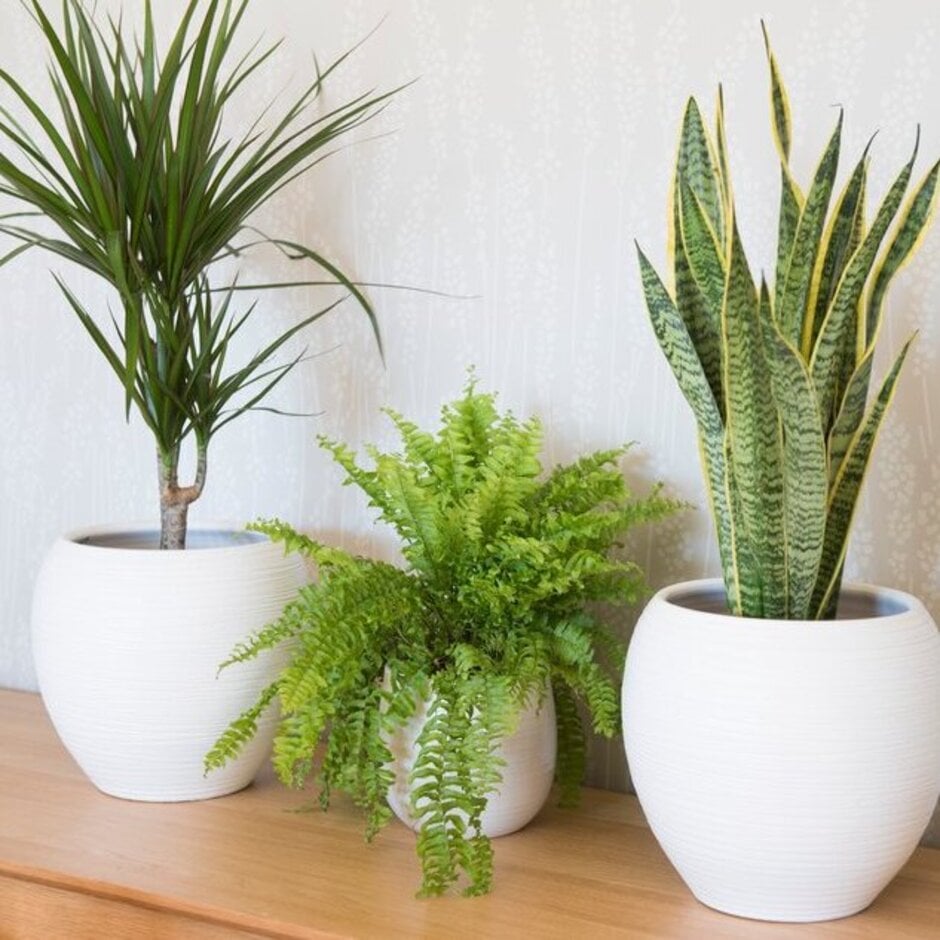
The connection between humans and nature is deeply ingrained in our DNA. This concept, known as biophilia, suggests that we have an innate need to affiliate with other life forms. Bringing plants indoors taps into this fundamental desire, creating a sense of calm and a connection to the natural world that can be profoundly restorative. But the benefits extend beyond a simple feeling of tranquility. A seminal study by NASA in the late 1980s, known as the Clean Air Study, revealed that certain houseplants can effectively remove a variety of airborne toxins, including formaldehyde, benzene, and trichloroethylene. These common volatile organic compounds (VOCs) are often found in everyday household products like paints, plastics, and synthetic fabrics, and their long-term exposure can lead to health issues. By acting as natural air purifiers, plants like the Peace Lily, Snake Plant, and Spider Plant help create a cleaner, healthier indoor environment.
Beyond air purification, plants play a significant role in regulating humidity. As they release moisture into the air through a process called transpiration, they can help alleviate dry skin, scratchy throats, and other discomforts associated with low humidity. This is particularly beneficial in winter months when indoor heating systems can strip the air of moisture. Research also suggests that the presence of plants can have a tangible impact on our stress levels. Studies have shown that simply being in a room with plants can lower blood pressure and heart rate, leading to a state of physiological relaxation. The act of caring for plants—watering them, observing their growth, and tending to their needs—can be a form of mindfulness, a meditative practice that pulls us out of our heads and into the present moment, reducing anxiety and promoting a sense of calm.
The Mental and Emotional Boost
The psychological benefits of living with plants are just as compelling as the physical ones. For many, plants provide a sense of purpose and responsibility. Nurturing a living thing and watching it flourish can be incredibly rewarding, boosting feelings of self-worth and accomplishment. This is especially true for those who live in urban environments and may not have access to a garden/’>garden or green space. A potted plant on a windowsill becomes a miniature garden, a source of connection and a reminder of the cycles of life. The vibrant greens and varied textures of plants can also have a mood-enhancing effect. In a world dominated by screens and sterile environments, the organic, living presence of a plant provides a visual and psychological anchor, a point of beauty and natural asymmetry that can break the monotony and lift the spirits.
Furthermore, plants can enhance our focus and productivity. A 2014 study found that employees who worked in offices with plants were more productive, had a better memory, and were able to concentrate more effectively than those in plant-free environments. The theory is that the natural elements provided by plants help to reduce mental fatigue and improve cognitive function, making it easier to stay on task. This makes indoor plants an excellent addition to home offices and study areas, creating a more stimulating and less stressful workspace. The simple act of glancing at a plant during a break can be a mini-reset for the mind, helping to clear the mental clutter and return to the task at hand with renewed vigor.
Choosing Your Green Companion
Selecting the right plant is key to a successful relationship. For beginners, it’s wise to start with low-maintenance, resilient species that can tolerate a range of conditions. The Snake Plant (Sansevieria trifasciata) is a prime example. Known for its ability to thrive on neglect, it can handle low light and infrequent watering, making it nearly indestructible. The Pothos (Epipremnum aureum) is another excellent choice, with its trailing vines and striking foliage. It’s incredibly forgiving and can adapt to various light levels. If you’re looking for a flowering plant, the Peace Lily (Spathiphyllum) is a beautiful option that signals its need for water with drooping leaves, making it a great teacher for new plant parents.
Caring for your plants doesn’t have to be complicated. Most common houseplants prefer well-draining soil and a pot with a drainage hole to prevent root rot. Watering frequency depends on the plant species and the environment, but a good rule of thumb is to check the top inch of the soil with your finger. If it feels dry, it’s time to water. Providing your plant with the right amount of light is also crucial. While some plants are happy in a dimly lit corner, others crave bright, indirect light. Do a little research on your chosen species to understand its specific needs.
Embracing the Green Life
Integrating plants into your home is a simple yet profound way to cultivate a healthier, more peaceful living space. It’s an investment in your wellbeing that pays dividends in cleaner air, lower stress levels, and a stronger connection to the natural world. Whether you start with a single succulent on your desk or transform an entire room into an urban jungle, the benefits are undeniable. Indoor plants are more than just decorative items; they are living beings that enrich our lives in countless ways, reminding us of the beauty and resilience of nature and our own capacity to nurture and grow. So go ahead, bring a little bit of the outdoors in. Your mind and body will thank you for it.

:max_bytes(150000):strip_icc()/low-light-conditions-houseplants-1902917-834ee8847a324939b796845a6bc22d36.png?resize=200,135&ssl=1 "Snake Plant (")

