
That’s where organic pest control comes in. It’s about working with Mother Nature rather than trying to beat her into submission. By using natural methods, you can keep your plants healthy, your soil rich, and your backyard ecosystem in perfect balance.
—
Why Organic Pest Control is Better for Your Backyard
Most commercial pesticides are broad-spectrum, meaning they kill everything they touch. The problem is that only about 1% of the insects in your garden/’>garden are actually pests. The rest are pollinators or predators that eat the bad guys. When you go organic, you’re protecting the biodiversity of your soil. Plus, if you’re growing food, you don’t have to worry about weird chemical residues on your tomatoes. It’s safer for your kids, your pets, and the local water supply.
Start with Healthy Soil First
Think of your plants like people. If a person is stressed, tired, and eating junk food, they’re way more likely to get sick. Plants are the same. Pests are naturally drawn to weak or stressed plants. The best defense is a good offense, and that starts with the dirt.
Feed the Ground Not Just the Plant
Instead of synthetic fertilizers, use high-quality compost. Compost introduces beneficial microbes and fungi that help plants absorb nutrients more efficiently. When a plant is vigorous and well-fed, it can actually produce its own chemical defenses to ward off nibbling insects.
Proper Watering Habits
Believe it or not, how you water can invite pests. Overwatering leads to root rot, which attracts fungus gnats and shore flies. Watering from above and leaving leaves wet overnight is an open invitation for fungal diseases and slugs. Aim for the base of the plant early in the morning so any splashes can dry off in the sun.
The Power of Companion Planting
Companion planting is like setting up a seating chart for a wedding where you put the rowdy cousins next to the aunt who can keep them in line. Certain plants naturally repel specific pests, while others act as “trap crops” to lure bugs away from your main harvest.
Marigolds are a Gardener’s Best Friend
Marigolds are famous for a reason. They produce a scent that many pests, including aphids and whiteflies, absolutely hate. Planting them around the perimeter of your vegetable beds acts like a biological “no entry” sign.
Using Herbs as Bodyguards
Strong-smelling herbs like basil, mint, and rosemary are great at confusing pests. For example, planting basil next to your tomatoes doesn’t just make for a great salad later; the scent of the basil helps mask the smell of the tomato plant from hungry hornworms.
Meet Your Garden’s Secret Weapons
One of the coolest parts of organic gardening is watching the “circle of life” happen in real-time. You don’t have to kill every bug yourself if you hire the local wildlife to do it for you.
Attracting Beneficial Insects
Ladybugs and lacewings are voracious predators. A single ladybug can eat thousands of aphids in its lifetime. To get them to stick around, plant flowers with flat landing pads like yarrow, dill, and fennel. Once they realize there’s a buffet in your garden, they’ll move in permanently.
Welcoming Birds and Toads
A single toad can eat dozens of slugs and beetles every single night. Provide a “toad house” (a tipped-over ceramic pot in a shady spot) to keep them happy. Similarly, birds like chickadees and wrens spend their days hunting for caterpillars to feed their young. A birdbath and some shrubbery for cover will turn your garden into a Five-Star bird resort.
Natural Sprays and Home Remedies
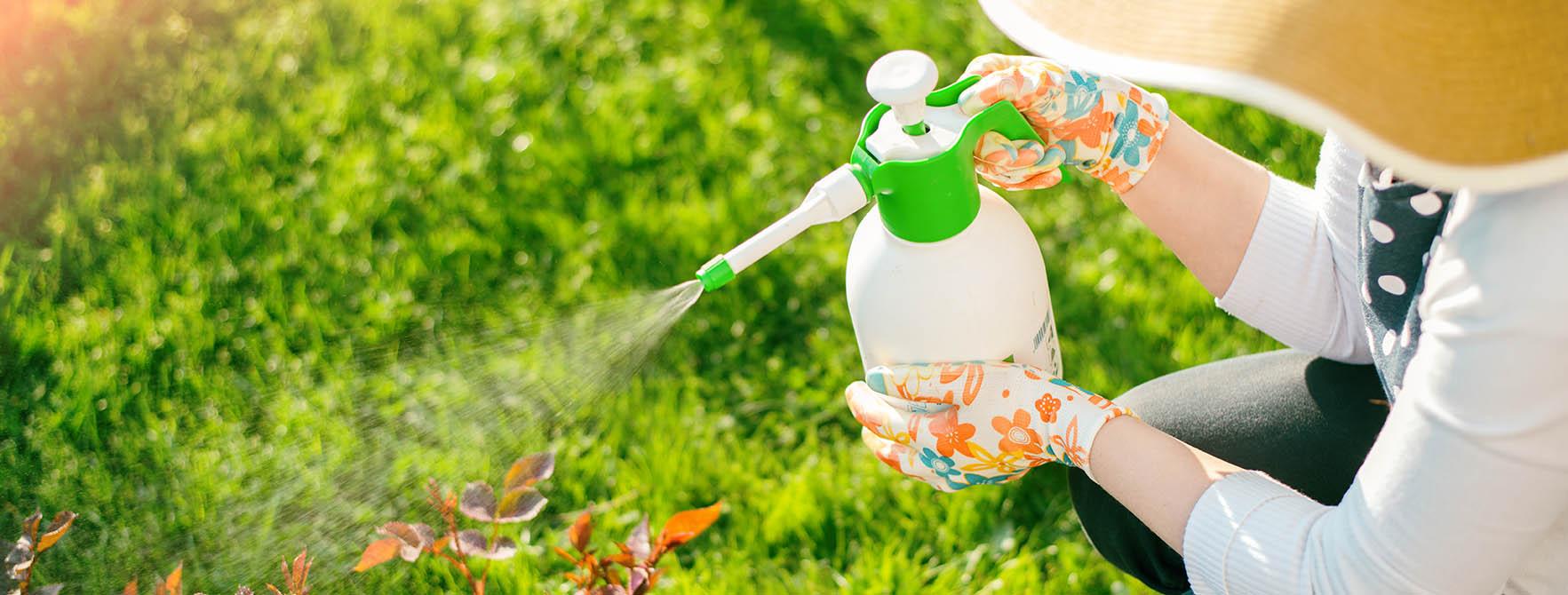
Sometimes, despite your best efforts, an outbreak happens. When it does, you can reach for “soft” treatments that target the pests without lingering in the environment for years.
Neem Oil The All-In-One Solution
Neem oil is derived from the seeds of the neem tree. It’s an organic gardener’s Swiss Army knife. It works as a fungicide, insecticide, and miticide. The best part? It doesn’t usually hurt bees or butterflies because they don’t eat the leaves of the plants you’re spraying.
Homemade Insecticidal Soap
You can make a cheap and effective spray at home by mixing one tablespoon of liquid castile soap (like Dr. Bronner’s) with a quart of water. This works wonders on soft-bodied insects like aphids and spider mites by breaking down their outer shells. Just make sure to test it on one leaf first to ensure your plant isn’t too sensitive.
Physical Barriers and Traps
If you want to keep things simple, sometimes the best solution is just putting up a fence—on a microscopic scale.
Row Covers for Young Plants
Floating row covers are lightweight fabrics that let in light and water but keep bugs out. These are perfect for protecting young brassicas (broccoli, kale, cabbage) from the dreaded cabbage moth. Just be sure to remove them once the plants start flowering if they need bees for pollination!
Diatomaceous Earth
This is a powder made from fossilized algae. To us, it feels like soft flour. To an insect with an exoskeleton (like an ant or a beetle), it’s like walking over broken glass. Dusting a little bit around the base of your plants can stop crawling pests in their tracks. Just remember to reapply it after it rains.
—
Conclusion
Transitioning to organic pest control isn’t just about changing the products you buy; it’s about changing your mindset. Instead of seeing your garden as a battlefield, start seeing it as a community. When you stop using harsh chemicals, you’ll notice more butterflies, more birds, and a more resilient landscape. It might take a little more patience and observation than the “spray and pray” method, but the result is a healthier garden and a cleaner planet. Happy planting!
—
Frequently Asked Questions
Does organic pest control actually work as well as chemical sprays?
Yes, but it often works differently. While chemicals offer an instant “knockdown” effect, organic methods focus on long-term prevention and balance. It may take a few days longer to see results, but you won’t experience the “rebound” effect where pests return even stronger because their natural predators were killed off.
Is neem oil safe for all plants?
Most plants handle neem oil well, but some thin-leaved plants like ferns or certain herbs can be sensitive. It is always a good idea to do a “patch test” on a small area of the plant and wait 24 hours to see if any burning or spotting occurs before spraying the whole thing.
How often should I apply natural pest sprays?
Since organic treatments break down quickly in sunlight and rain, you generally need to apply them more frequently than synthetic ones. Usually, once every 7 to 10 days—or after a heavy rain—is the standard until the pest problem is under control.
Will organic methods get rid of every single bug in my garden?
Actually, you don’t want them to! A healthy organic garden needs a small population of “bad” bugs to keep the “good” bugs around. If there are no aphids, the ladybugs will leave. The goal of organic control is to keep pest populations at a level where they aren’t causing significant damage to your harvest.
Can I use dish soap from under my sink for insecticidal spray?
It’s better to use a true “soap” like castile soap rather than a “detergent” (which most modern dish soaps are). Detergents contain degreasers and chemicals that can strip the protective waxy coating off your plant’s leaves, causing them to dry out and die. Stick to plain, liquid soap for the safest results.

:max_bytes(150000):strip_icc()/low-light-conditions-houseplants-1902917-834ee8847a324939b796845a6bc22d36.png?resize=200,135&ssl=1 "Snake Plant (")

