When it comes to skincare, we often think of serums, creams, and lotions. But what if the secret to glowing skin was found right in nature? For centuries, people have used medicinal plants for their powerful healing and beautifying properties. These botanical wonders offer a gentle, yet effective, approach to skincare, harnessing the power of antioxidants, anti-inflammatory compounds, and nourishing vitamins.
One of the most well-known medicinal plants for skin is Aloe Vera. This succulent is a true skin hero. Its gel, found inside the leaves, is a powerhouse of vitamins A, C, and E, as well as minerals and antioxidants. It’s famous for its soothing and healing properties, making it a go-to for sunburns and minor cuts. But its benefits don’t stop there. Aloe Vera is a fantastic moisturizer, helping to lock in hydration without leaving a greasy residue. Its anti-inflammatory properties can also help calm irritated skin and reduce redness, making it a great choice for those with sensitive or acne-prone skin.
Another superstar in the plant-based skincare world is Calendula. The vibrant orange and yellow flowers of this plant are more than just a pretty sight. Calendula is packed with flavonoids and saponins, which are known for their anti-inflammatory and antiseptic properties. It’s often used in salves and ointments to help heal wounds, soothe rashes, and calm eczema. For those with dry or chapped skin, calendula is a lifesaver. It helps to moisturize and protect the skin’s barrier, promoting a healthy and resilient complexion.
Chamomile is another gentle giant in the world of skincare. You might know it as a calming tea, but its benefits for the skin are equally impressive. The flowers of this daisy-like plant contain compounds like chamazulene and apigenin, which have potent anti-inflammatory and antioxidant effects. Chamomile is excellent for soothing irritated skin, reducing puffiness, and calming conditions like rosacea. A gentle chamomile compress can be a lifesaver for tired, puffy eyes.
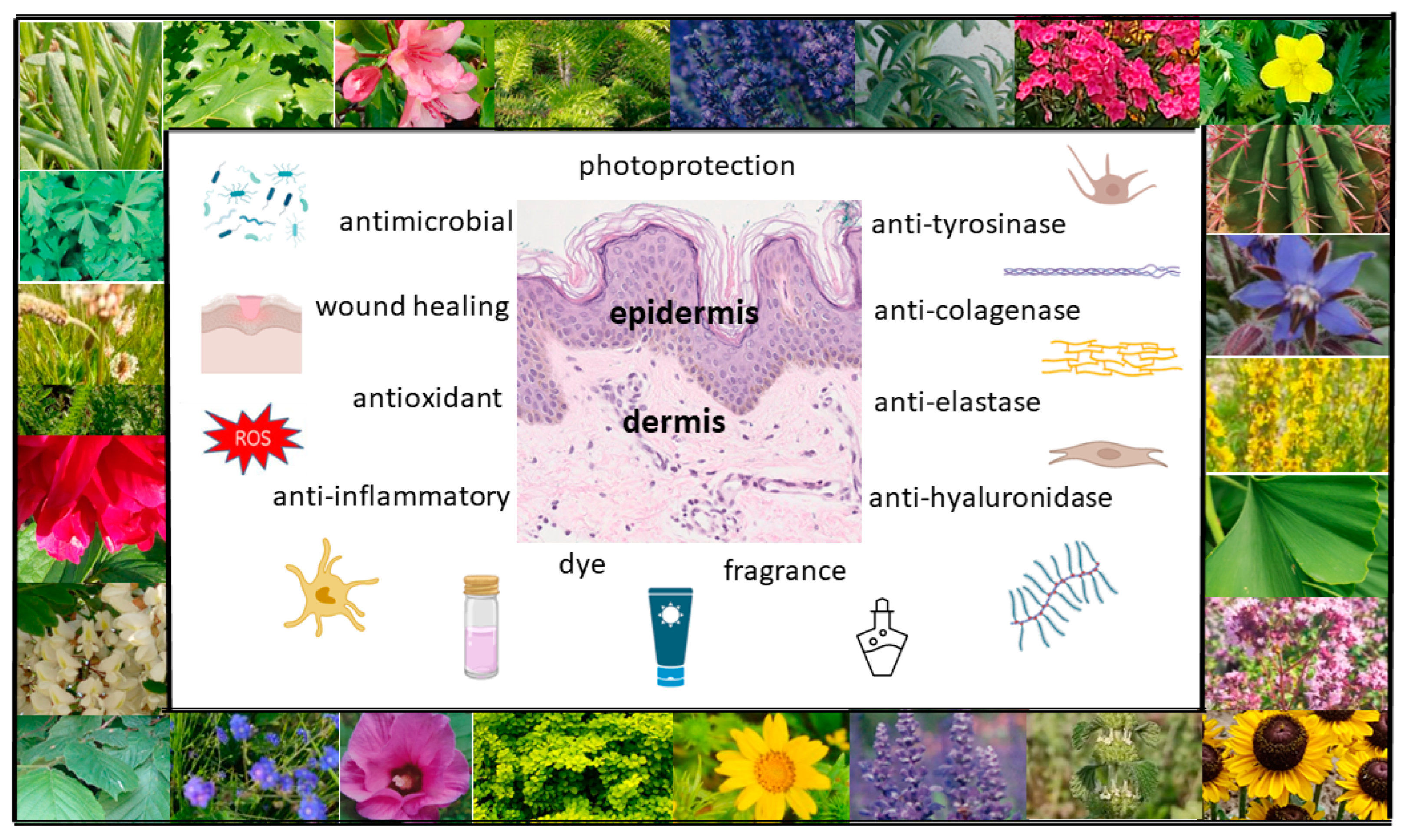
For a more radiant complexion, look no further than Turmeric. This golden spice, a staple in many kitchens, is a game-changer for skin health. Its main active compound, curcumin, is a powerful antioxidant and anti-inflammatory agent. Turmeric can help brighten the skin, reduce hyperpigmentation, and even out skin tone. It’s also been shown to help fight acne-causing bacteria and reduce the appearance of acne scars. While using turmeric on your skin can leave a temporary yellow tint, the results are worth it.
Next on our list is Witch Hazel. This astringent plant is a favorite for those with oily or acne-prone skin. It contains tannins, which are natural compounds that help to tighten pores and reduce inflammation. Witch hazel is great for controlling excess oil, soothing blemishes, and calming irritation. It’s a natural toner that helps to refresh and purify the skin without stripping it of its natural moisture.
Rosehip Oil, derived from the seeds of wild rose bushes, is a true anti-aging powerhouse. It’s rich in essential fatty acids, including omega-3 and omega-6, which are crucial for maintaining a healthy skin barrier. It’s also packed with vitamins A and C, which help to promote cell regeneration and brighten the skin. Rosehip oil can help reduce the appearance of fine lines and wrinkles, fade scars, and improve overall skin texture. It’s a lightweight oil that absorbs easily, making it a great choice for all skin types.
Lastly, let’s talk about Tea Tree Oil. This essential oil, extracted from the leaves of the Melaleuca alternifolia tree, is famous for its antiseptic properties. It’s a powerful natural solution for fighting acne-causing bacteria and reducing inflammation. A small amount of diluted tea tree oil can be dabbed directly onto blemishes to help them heal faster. However, it’s important to use it cautiously, as it can be irritating if not properly diluted.
Incorporating these medicinal plants into your skincare routine doesn’t have to be complicated. You can find many of these ingredients in natural skincare products, or you can even create your own DIY remedies. Always remember to do a patch test before applying any new ingredient to your entire face, and if you have any underlying skin conditions, it’s always best to consult with a dermatologist. The world of plant-based skincare is vast and rewarding, offering a holistic and natural way to achieve the healthy, radiant skin you’ve always wanted.