
A Beginner’s Guide to Growing Parsley Indoors
Growing fresh herbs at home is a rewarding experience, and parsley, with its vibrant green leaves and distinct flavor, is a fantastic choice for an indoor garden/’>garden. Whether you’re a seasoned green thumb or just starting out, cultivating parsley indoors is a straightforward process that will provide you with a constant supply of this versatile herb. This guide will walk you through everything you need to know, from choosing the right seeds to harvesting your bounty.
Beyond the convenience of having fresh parsley on hand for cooking, growing it indoors offers several advantages. You can protect your plants from pests and harsh weather conditions, ensuring a steady supply year-round, regardless of the season. Indoor growing also gives you complete control over the environment, from light to temperature, which can lead to healthier, more productive plants. Plus, the sight and smell of fresh green plants can brighten up any indoor space.
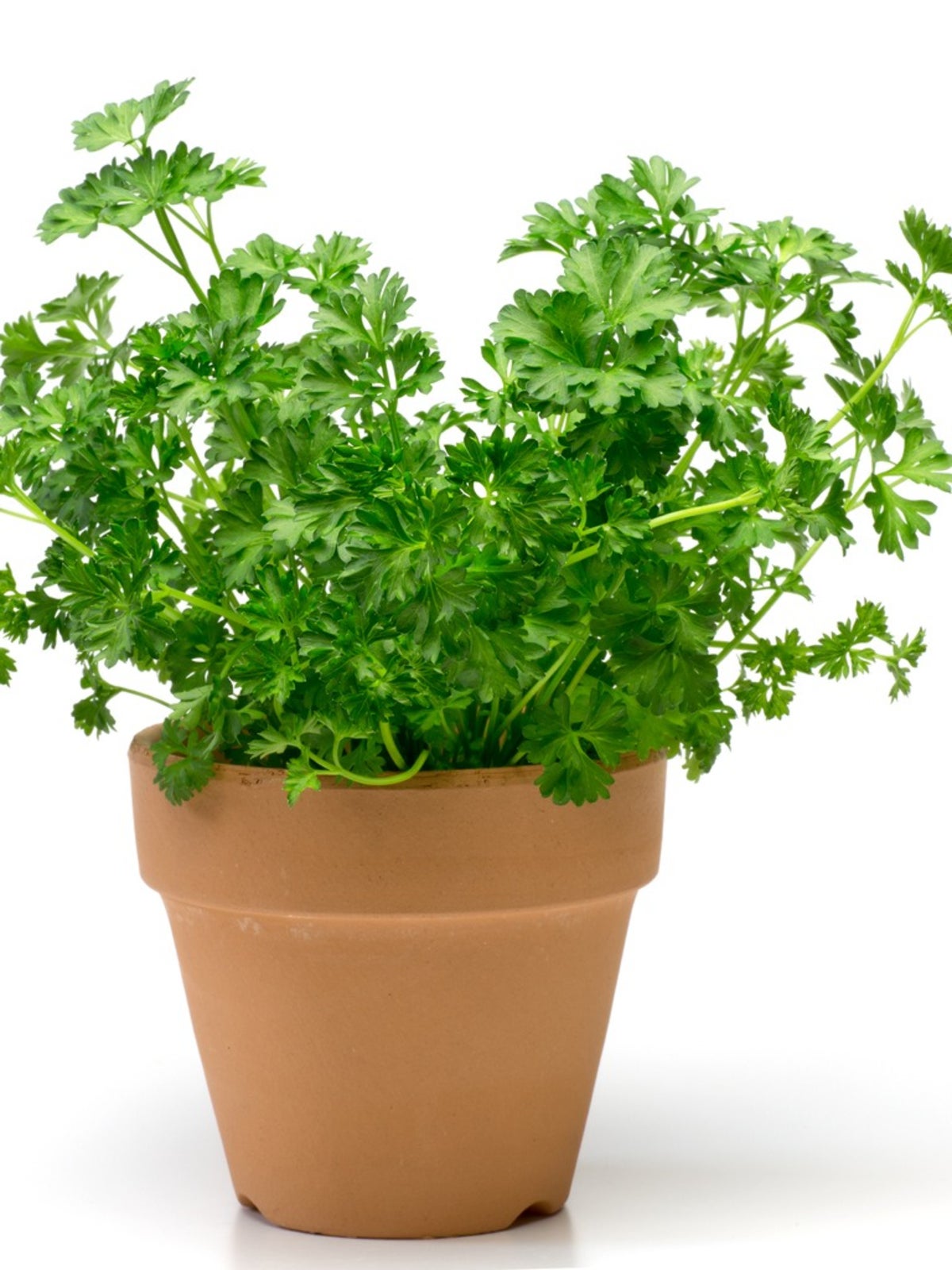
Not all parsley is created equal. There are two main types you’ll encounter:
Flat-leaf parsley (Petroselinum crispum var. neapolitanum): Also known as Italian parsley, this variety is prized for its strong, slightly peppery flavor. It’s the preferred choice for most culinary applications.
For indoor growing, both varieties are suitable, but flat-leaf parsley tends to be more flavorful and easier to manage. Its less dense foliage allows for better air circulation, which can help prevent some common plant diseases.
Growing parsley indoors requires a few key items. Fortunately, none are particularly expensive or hard to find.
Parsley Seeds: Look for high-quality seeds from a reputable supplier. Starting from seeds gives you more control and is more cost-effective than buying a pre-grown plant.
Parsley seeds are notorious for being slow to germinate. Don’t be discouraged; this is completely normal. It can take anywhere from two to four weeks for the first sprouts to appear. To speed up the process, you can soak the seeds in warm water for 24 hours before planting. This helps soften the tough seed coat.
1. Prepare the Pots: Fill your containers with the potting mix, leaving about an inch of space at the top.
2. Sow the Seeds: Scatter a few seeds on the surface of the soil and cover them with about a quarter-inch layer of potting mix. If you’re using a large pot, you can plant several seeds, spacing them about 2-3 inches apart.
3. Water Gently: Lightly water the soil until it is evenly moist. Be careful not to wash away the seeds. A spray bottle works well for this initial watering.
4. Cover for Humidity: To maintain a consistently moist environment and encourage germination, you can cover the pot with plastic wrap or a clear plastic bag. This creates a mini-greenhouse effect. Be sure to poke a few holes in the plastic for air circulation.
5. Place in a Warm Spot: Put the pot in a warm location, ideally around 70°F (21°C). Once the seeds germinate, you can remove the plastic cover and move the pot to its final sunny location or under a grow light.
Once your seedlings have emerged, the real work of nurturing begins.
Thinning: If you planted multiple seeds and they all sprouted, you’ll need to “thin” them to give the strongest seedling space to grow. Gently snip off the weaker seedlings at the base, leaving one plant per pot or spacing them out at least 6 inches apart in a larger container.
Yellowing Leaves: This is often a sign of overwatering or a nutrient deficiency. Check your watering schedule and ensure the pot has good drainage.
Harvesting is the best part of growing your own herbs. Start harvesting when the plants are well-established, with multiple stems. To harvest, use clean scissors or your fingers to snip off the outer stems at the base of the plant. This encourages new growth from the center. Avoid harvesting more than one-third of the plant at a time. The best time to harvest for flavor is in the morning, after the dew has dried.
Growing parsley indoors is a rewarding journey that connects you with the food you eat. It’s an act of patience and care that pays off with every fresh sprig you snip. With the right setup and a little bit of attention, you can enjoy the fresh, peppery flavor of homegrown parsley in all your culinary creations, all year long. Your indoor garden will not only be a source of delicious herbs but also a green, living reminder of the simple joy of growing something yourself.

:max_bytes(150000):strip_icc()/low-light-conditions-houseplants-1902917-834ee8847a324939b796845a6bc22d36.png?resize=200,135&ssl=1 "Snake Plant (")

