Title: Your Ultimate Guide to Growing Coriander Indoors
Want to add some fresh, zesty flavor to your cooking but don’t have a garden/’>garden? You’re in luck! Growing coriander (also known as cilantro) indoors is a rewarding and surprisingly simple process. Whether you’re a seasoned gardener or a complete beginner, this guide will walk you through everything you need to know to cultivate a thriving batch of this versatile herb right on your windowsill or kitchen counter. Forget expensive, store-bought bunches that wilt in a day—with a little know-how, you can have a continuous supply of fresh coriander at your fingertips.
Why grow coriander indoors? For starters, it’s incredibly convenient. No more last-minute trips to the supermarket for a single ingredient. It’s also a great way to save money and reduce food waste. Plus, there’s a special satisfaction that comes from using ingredients you’ve grown yourself. Indoor gardening also protects your delicate plants from pests and harsh weather, giving them a controlled and stable environment to flourish. This is especially beneficial for coriander, which is known for being a bit finicky about temperature and bolting (going to seed) too quickly. By controlling its environment, you can extend your harvest and enjoy its fresh leaves for longer.
The journey begins with choosing the right variety. While you can use seeds from a spice packet, they may not have a high germination rate. For best results, opt for seeds specifically sold for planting. There are several varieties of coriander, some of which are more resistant to bolting than others. ‘Slow Bolt’ or ‘Long-Standing’ varieties are excellent choices for indoor growing, as they are bred to produce leaves for a longer period before flowering. This gives you a more sustained harvest. When you have your seeds, you’re ready to move on to the next step.
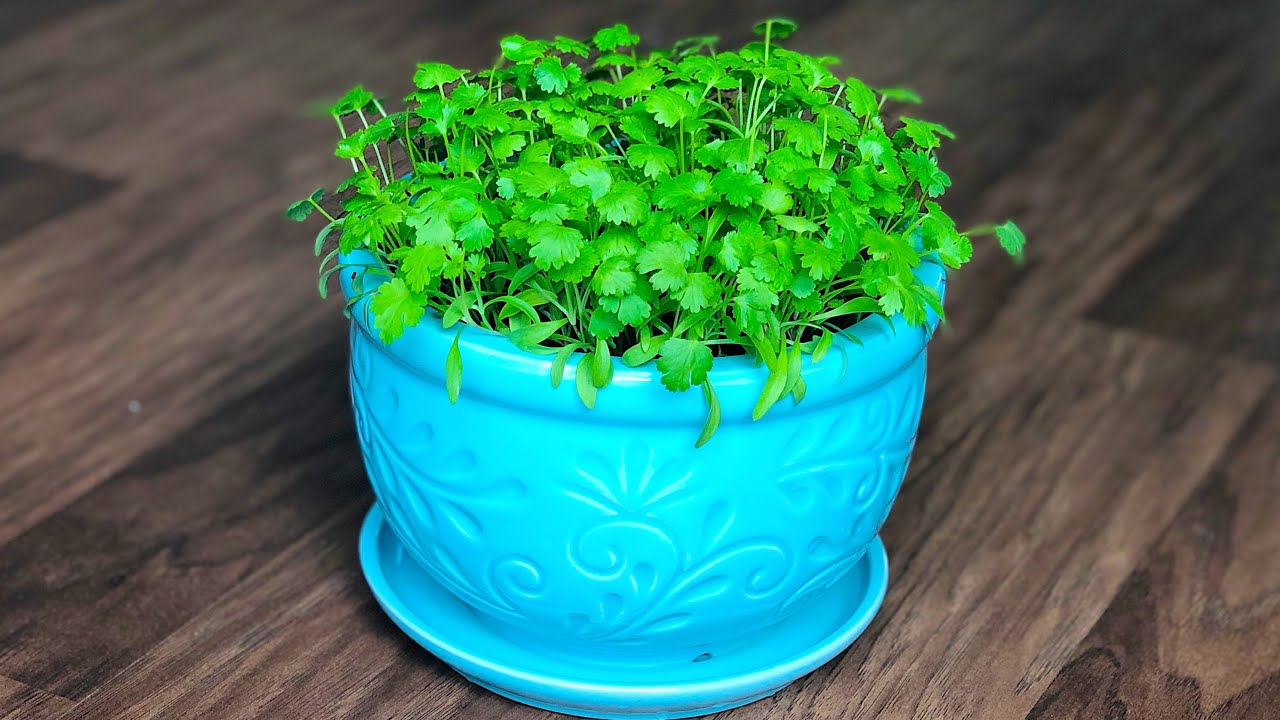
Next, let’s talk about the pot and soil. A pot with good drainage is non-negotiable. Coriander roots don’t like to sit in soggy soil, so make sure your container has drainage holes at the bottom. You can use a standard terracotta or plastic pot, or even a deep window box. A pot that is at least 8 inches deep is ideal, as it gives the taproot plenty of room to grow. For soil, a high-quality, well-draining potting mix is key. Look for a mix that is light and airy, perhaps one designed for herbs or vegetables. You can add a little perlite or sand to improve drainage if you feel the soil is too heavy. Avoid using garden soil, as it can be too dense and may contain pests or diseases.
Now for the planting process. Fill your pot with the potting mix, leaving about an inch of space at the top. Lightly moisten the soil. Coriander seeds are actually a small fruit containing two seeds. Gently crush the seed husks between your fingers to separate them—this can help with germination. Sprinkle the seeds over the surface of the soil, aiming for a spacing of about 2 inches apart. You can sow them a little more densely and thin them out later, but giving them some initial space prevents overcrowding. Once the seeds are in place, cover them with about a quarter-inch of soil. Water gently, perhaps with a spray bottle, to avoid disturbing the seeds.
Finding the right spot is crucial for your indoor coriander. This plant loves sunlight. A south-facing windowsill is usually the best option, as it receives the most light throughout the day. Coriander needs at least four to six hours of direct sunlight daily. If you don’t have a sunny window, don’t despair! You can use a grow light. A simple LED grow light placed a few inches above the plants can provide the light they need to thrive. Just make sure the light isn’t too close, as this can scorch the leaves.
Watering is where many people go wrong. The key is to keep the soil consistently moist but never waterlogged. Stick your finger an inch into the soil—if it feels dry, it’s time to water. When you do water, do so thoroughly until you see water dripping from the drainage holes. This ensures that the entire root ball is hydrated. Overwatering is a common mistake and can lead to root rot, so be mindful not to let your plants sit in a saucer of water.
Coriander is a cool-season crop, and it’s prone to bolting when temperatures get too high. Aim to keep your indoor space at a comfortable temperature between 60°F and 75°F (15°C to 24°C). Avoid placing your pot near a radiator or a drafty air conditioner vent, as sudden temperature changes can stress the plant.
Within one to two weeks, you should start to see little seedlings emerge. This is an exciting moment! Once they are a few inches tall, you can thin them out if they are too crowded. Snip or gently pull out the weaker seedlings, leaving the stronger ones with a spacing of about 3-4 inches apart. This gives each plant enough room to grow and receive the light it needs.
Feeding your coriander isn’t strictly necessary if you’ve started with a good potting mix, but a little boost can help. You can use a half-strength liquid fertilizer formulated for herbs or leafy greens every two to three weeks. Be careful not to over-fertilize, as this can lead to lush leaf growth at the expense of flavor.
Harvesting is the best part! You can start snipping off the outer leaves once the plant is about 6 inches tall. Always harvest the outer leaves first, leaving the inner ones to continue growing. This method is called “cut and come again,” and it encourages the plant to produce more leaves, giving you a continuous supply. Don’t cut more than one-third of the plant at a time. Using scissors or clean shears is better than pulling, as pulling can damage the plant’s roots.
If your coriander plant starts to produce a central stalk with feathery leaves and small flowers, it’s a sign that it’s bolting. This happens when the plant is stressed, often by heat or lack of water. Once it bolts, the leaves become less flavorful and a bit bitter. The good news is, you can still use the plant! The flowers are edible and attract pollinators, and you can harvest the seeds (coriander seeds) once they dry. However, for a continuous supply of fresh leaves, it’s best to plant new seeds every few weeks. Successive planting is the secret to a long-lasting indoor coriander patch.
In conclusion, growing coriander indoors is a rewarding and relatively easy endeavor. By paying attention to a few key details—choosing the right seeds, providing a well-draining pot and soil, ensuring plenty of light, and maintaining consistent moisture and temperature—you can have a fresh supply of this aromatic herb at your fingertips. It’s a simple way to elevate your cooking and bring a little bit of the garden into your home. With this guide, you’re well on your way to becoming an indoor coriander pro. Happy growing!