
Alright, let’s dive into the world of vertical gardens and how they can spruce up even the smallest spaces!
Going Up! The Lowdown on Vertical Gardens
So, you’re thinking about bringing some green into your life, but maybe floor space is a bit of a premium? Or perhaps you just fancy something a bit different? Well, my friend, have you ever considered a vertical garden? It’s exactly what it sounds like – instead of planting outwards, you’re going upwards! Think of it as a living wall, a green tapestry, or just a really clever way to grow plants when you’re tight on space.
Why Go Vertical? More Than Just Saving Space

Now, you might be thinking, “Okay, it saves space, got it. Anything else?” Absolutely! Vertical gardens are more than just a space-saving trick. They come with a whole bunch of other cool perks.
Breathing Easier with Better Air
Plants are natural air purifiers. They soak up some of those not-so-great things floating around in the air and release lovely, fresh oxygen. When you have a whole wall of greenery, that air-cleaning power really ramps up. It’s like having a natural air freshener that actually does good!
A Touch of Green Therapy
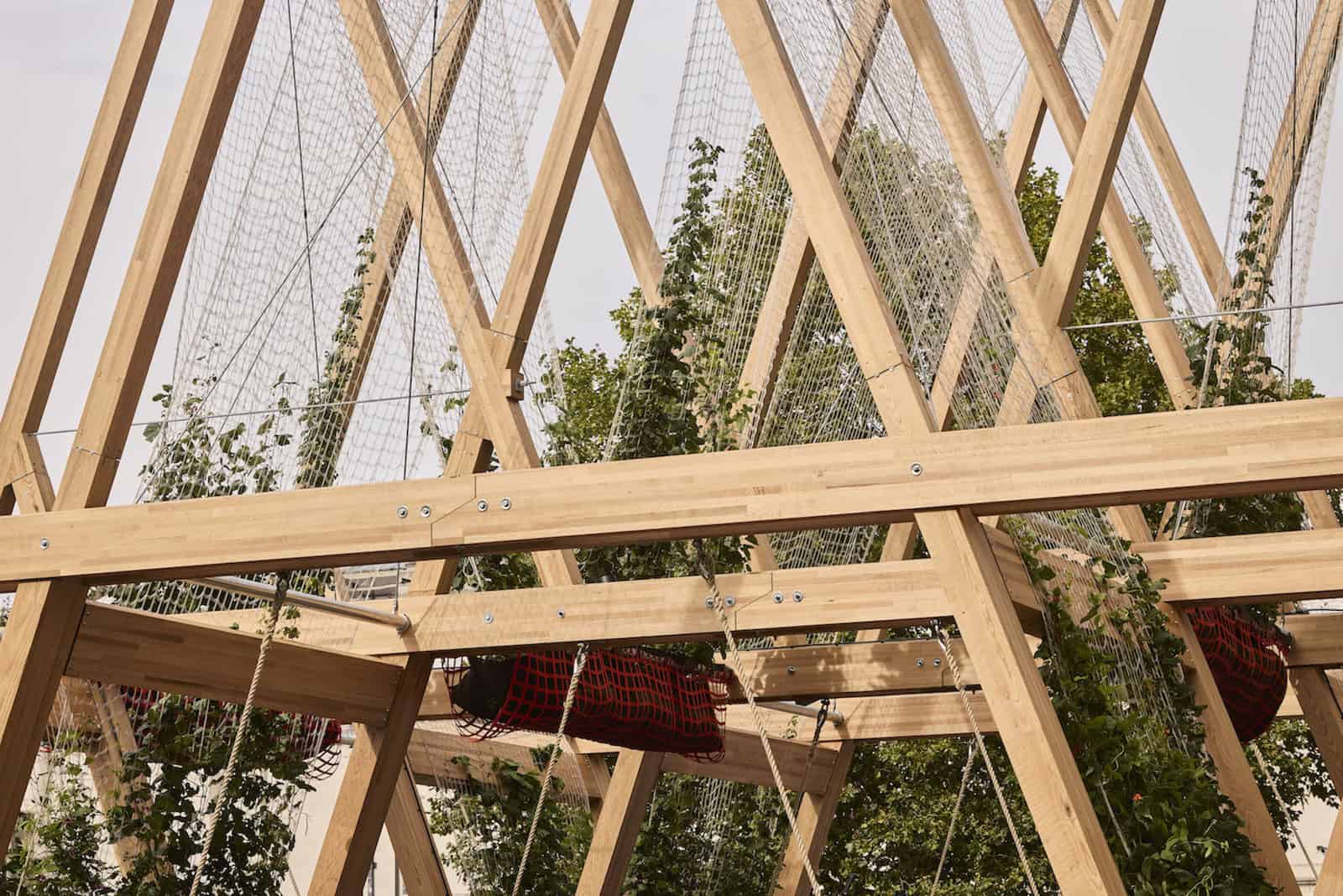
There’s something incredibly calming about being around plants. Studies have shown that having greenery nearby can reduce stress and boost your mood. A vertical garden brings that little slice of nature right into your home or onto your balcony. It’s like a little green oasis.
Keeping Things Cooler
Believe it or not, a wall covered in plants can actually help to insulate your home. In the summer, the plants can shade the wall, keeping things cooler inside and potentially even saving you a bit on those energy bills. It’s nature’s air conditioning!
Blocking Out the Noise
Living in a busy area? A dense vertical garden can act as a bit of a sound barrier, muffling some of that unwanted noise from the outside world. It won’t completely silence everything, but it can definitely help create a more peaceful environment.
Growing Your Own Goodies
And let’s not forget the practical side of things! Depending on the type of vertical garden you choose, you can actually grow your own herbs, vegetables, and even some fruits. Imagine stepping out onto your balcony and snipping fresh basil for your pasta or picking a ripe strawberry. How cool is that?
Types of Vertical Gardens: Finding Your Perfect Fit
So, you’re sold on the idea. Great! Now, let’s talk about the different ways you can actually create a vertical garden. There’s a style to suit pretty much everyone.
The Classic Wall-Mounted Planters
This is probably what comes to mind for most people. You can buy individual planters that are designed to be hung on a wall. These come in all sorts of shapes, sizes, and materials, from terracotta pots to sleek, modern containers. You can arrange them in any pattern you like to create your own unique green wall.
Pallet Power! The Upcycled Garden
Got an old wooden pallet lying around? With a bit of creativity and some landscaping fabric, you can transform it into a fantastic vertical garden. The slats in the pallet create natural shelves for your plants. It’s a budget-friendly and eco-conscious option.
Stack ‘Em Up! Tiered Planters
Tiered planters are another simple way to go vertical. These are essentially planters stacked on top of each other, often with a central support. They’re great for creating a cascading effect with trailing plants or for keeping different types of plants separate.
Pocket Power: Fabric Planters
Fabric planters are lightweight and easy to hang. They usually have multiple pockets where you can tuck in your plants. They’re a good option for smaller spaces and can be really versatile.
The High-Tech Hydroponic Wall
For the more adventurous gardener (or those with less space for soil!), there are hydroponic vertical garden systems. These grow plants without soil, using nutrient-rich water solutions. They can be more complex to set up but can be very efficient.
Living Walls: The Integrated Approach
These are more permanent installations where plants are grown directly into a supporting structure that’s attached to a wall. They often have built-in irrigation systems and can create a truly stunning and seamless green surface.
Getting Started: Tips for Vertical Garden Success
Ready to get your hands dirty (well, maybe not too dirty if you go hydroponic!)? Here are a few things to keep in mind when setting up your vertical garden:
Location, Location, Location
Just like with any garden, think about the light your chosen spot gets. Different plants have different light requirements, so choose plants that will thrive in your location.
Choosing the Right Plants
Consider the size and growth habits of your plants. Trailing plants look great in hanging baskets or cascading down tiers. Compact plants are ideal for pockets or smaller containers. Think about mixing textures and colors for visual interest.
Watering Wisdom
Watering can be a bit different with vertical gardens. Make sure you have a way to water all your plants effectively. For wall-mounted planters, you might need to water each one individually. For larger systems, consider drip irrigation.
Soil Matters (Unless You’re Going Hydro!)
If you’re using soil-based planting, choose a good quality potting mix that drains well. Vertical containers can sometimes dry out faster than traditional pots.
Feeding Your Green Friends
Just like plants in the ground, plants in vertical gardens need nutrients. Use a good quality liquid fertilizer according to the instructions.
Support Structures
Make sure your wall or support structure is strong enough to hold the weight of your vertical garden, especially when the soil is wet.
Conclusion: Green Up Your World, Vertically!
Vertical gardens are a fantastic way to bring the beauty and benefits of plants into your life, no matter how much space you have. From simple wall-mounted pots to elaborate living walls, there’s a style to suit every taste and budget. So why not think upwards and transform a blank wall or a small balcony into a vibrant, green oasis? You might be surprised at how much joy a little vertical greenery can bring!
Frequently Asked Questions (FAQs)
1. What are the best plants for a beginner’s vertical garden?
For beginners, it’s best to start with low-maintenance plants that are relatively forgiving. Good options include succulents, herbs like mint and basil, trailing plants like pothos and ivy, and some leafy greens like lettuce.
2. How often do I need to water a vertical garden?
Watering frequency depends on several factors, including the type of plants, the weather, and the type of containers you’re using. Generally, smaller containers and sunny locations will dry out faster. Check the soil moisture regularly by sticking your finger about an inch deep. If it feels dry, it’s time to water.
3. Can I grow vegetables in a vertical garden?
Absolutely! Many vegetables thrive in vertical gardens, especially smaller varieties like strawberries, herbs, lettuce, spinach, and bush beans. Just make sure your vertical system is deep enough to accommodate their root systems and that they receive enough sunlight.
4. How do I prevent my vertical garden from damaging the wall?
To protect your wall, use appropriate mounting hardware that is suitable for the weight of your vertical garden. For fabric planters or lighter setups, adhesive hooks might work, but for heavier systems, you’ll likely need to drill into studs or use sturdy brackets. Consider adding a waterproof backing to your vertical garden structure to prevent moisture from seeping into the wall.
5. Are vertical gardens suitable for indoors?
Yes, many vertical garden systems are perfect for indoors! Just be mindful of the light requirements of your chosen plants and ensure you have a way to catch any water runoff. Fabric planters, small wall-mounted pots, and even hydroponic systems can work well indoors.


