
A Beginner’s Guide to Growing Your Own Spinach
Ready to add a little homegrown goodness to your meals? Growing spinach at home is a fantastic way to get fresh, nutritious greens right from your own garden/’>garden, or even a patio container. It’s a surprisingly simple process, and once you get the hang of it, you’ll be harvesting your own crisp, tender leaves in no time. Forget about store-bought spinach that wilts in a day—this guide will walk you through everything you need to know to grow a thriving patch of your own.
Spinach is a cool-weather crop, which is one of the most important things to remember. This means it thrives in the spring and fall when temperatures are mild. If you try to grow it in the scorching heat of summer, it will likely “bolt”—that is, it will send up a flower stalk and become bitter and inedible. But don’t worry, we’ll cover how to time your planting just right.
# Finding the Perfect Spot and Preparing the Soil
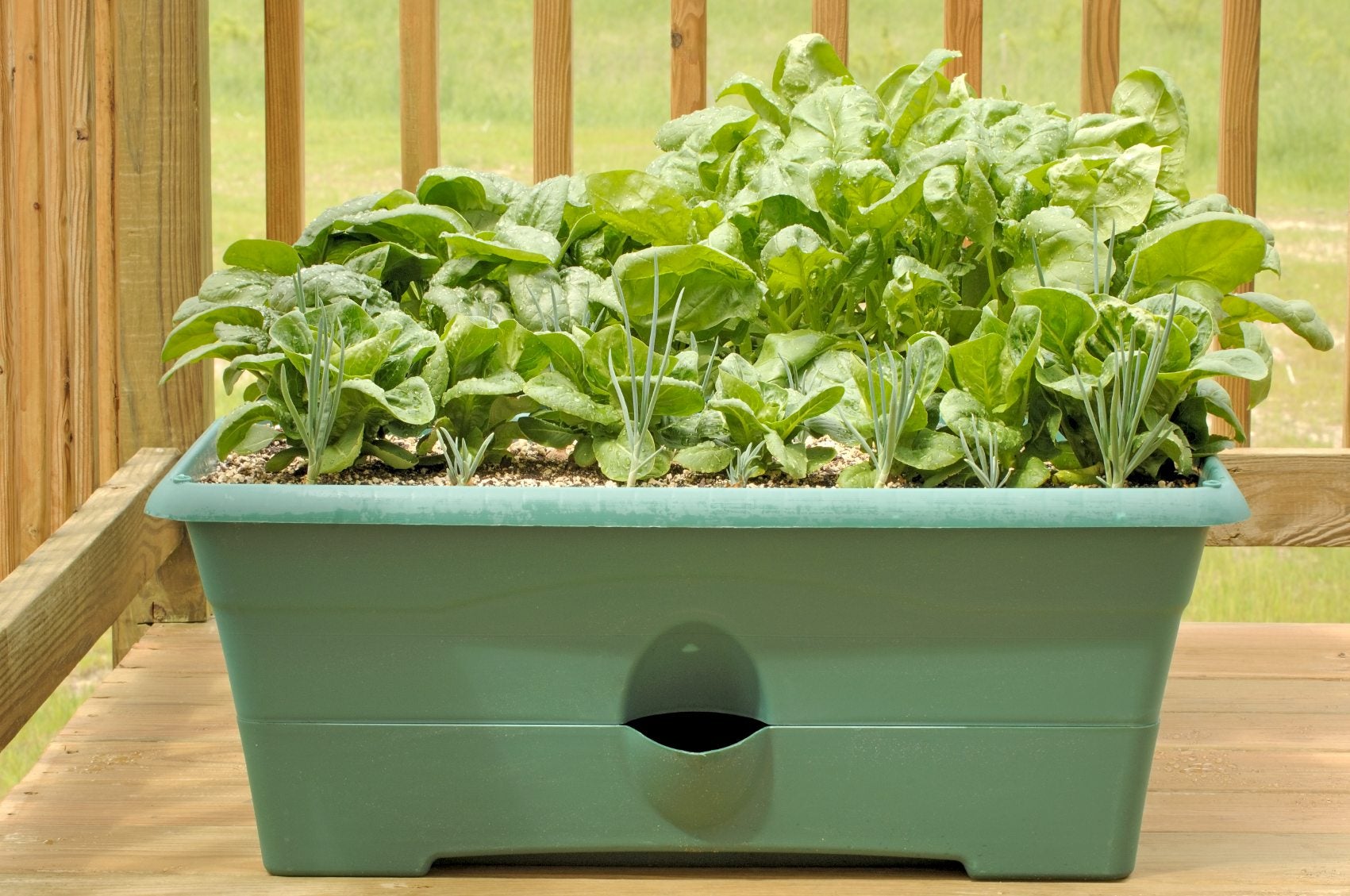
The first step to any successful gardening project is choosing the right location. Spinach loves a spot that gets plenty of sun, but it can also tolerate some light shade, especially during the hottest part of the day. A location that receives about 6 hours of direct sunlight is ideal. However, if you live in a particularly hot climate, a spot with morning sun and afternoon shade is even better to prevent the plants from bolting too early.
Once you have your location, it’s time to prepare the soil. Spinach is a heavy feeder, so it needs rich, well-draining soil to really thrive. If you’re planting in the ground, you’ll want to amend your soil with a generous amount of organic matter, like compost or well-rotted manure. This will not only provide essential nutrients but also help the soil retain moisture, which is crucial for spinach. You want the soil to be loose and crumbly, not hard and compacted. For container growing, a good quality potting mix designed for vegetables will do the trick. Make sure your container has drainage holes to prevent the roots from getting waterlogged.
Before you sow your seeds, it’s a good idea to rake the soil surface to make it as smooth as possible. This ensures good contact between the seeds and the soil, which is essential for germination.
# Choosing and Sowing Your Seeds
There are many different varieties of spinach, each with its own unique characteristics. Some popular types include ‘Bloomsdale Long Standing,’ which is known for its crinkled leaves and resistance to bolting, and ‘Tyee,’ a smooth-leafed variety that’s great for salads. You can find spinach seeds at any garden center or online.
Spinach seeds can be sown directly into the garden. You don’t need to start them indoors. For a continuous harvest, you can “succession plant” by sowing a small batch of seeds every two weeks. This will ensure you have a steady supply of fresh leaves rather than one huge harvest all at once.
To sow the seeds, create a shallow trench about half an inch deep. Space the seeds about 2-3 inches apart. You can sow them a little closer if you plan on harvesting them as “baby spinach.” Cover the seeds lightly with soil and gently pat it down.
# Watering and Thinning Your Seedlings
After sowing, it’s crucial to keep the soil consistently moist. Use a gentle stream of water so you don’t disturb the seeds. A watering can with a rose attachment or a hose with a misting nozzle works well. Don’t let the soil dry out, especially during the germination period, which usually takes about 7-14 days.
Once your seedlings have grown their second set of true leaves, it’s time to thin them. This might seem a little sad, but it’s a vital step for healthy plant growth. Thinning gives each plant enough space to grow without competing for nutrients and sunlight. You’ll want to thin the seedlings so they are about 6-12 inches apart. You can either snip the weaker seedlings at the base with a small pair of scissors or carefully pull them out. You can even eat the thinned-out seedlings—they’re a delicious treat as baby spinach!
# Ongoing Care and Maintenance
Keeping your spinach plants happy is all about consistent care.
# Harvesting Your Bounty
This is the most rewarding part! You can start harvesting spinach as soon as the leaves are big enough to eat. For a continuous harvest, you can pick the outer, more mature leaves, leaving the inner, younger leaves to continue growing. This “cut-and-come-again” method ensures a steady supply of fresh spinach. Just be careful not to damage the plant’s crown (the central growing point) when you harvest.
If you prefer to harvest the entire plant, you can cut the entire plant at the base when it reaches a desirable size. To get the best flavor and texture, it’s best to harvest spinach in the morning when the leaves are cool and crisp.
Remember, once the weather starts to get consistently hot, your spinach plants will start to bolt. The leaves will become tough and bitter. This is a sign that the season is ending, and it’s time to either let the plant go to seed or remove it to make room for a new crop.
# Troubleshooting Common Problems
Growing your own spinach is an incredibly rewarding experience. There’s nothing quite like the taste of a fresh salad made with leaves you’ve grown yourself. With a little bit of care and attention, you’ll be enjoying a bountiful harvest in no time. Happy gardening!


