
Whether you’re trying to brighten up a dark corner of your apartment or turn your living room into a literal jungle, this guide will walk you through the essentials of keeping your leafy friends happy and thriving.
Choose the Right Plant for Your Lifestyle
Before you even buy a pot, you have to be honest with yourself. Are you the type of person who wants to fuss over a plant every day, or do you tend to forget you even own a plant for two weeks at a time?
If you’re a beginner, start with “indestructible” plants. Snake plants, ZZ plants, and Pothos are legendary for a reason—they can handle a bit of neglect and lower light levels. Avoid high-maintenance divas like Calatheas or Orchids until you’ve got the basics down. Matching the plant to your actual habits (and your home’s lighting) is 90% of the battle.
Lighting Is the Lifeblood of Your Plant
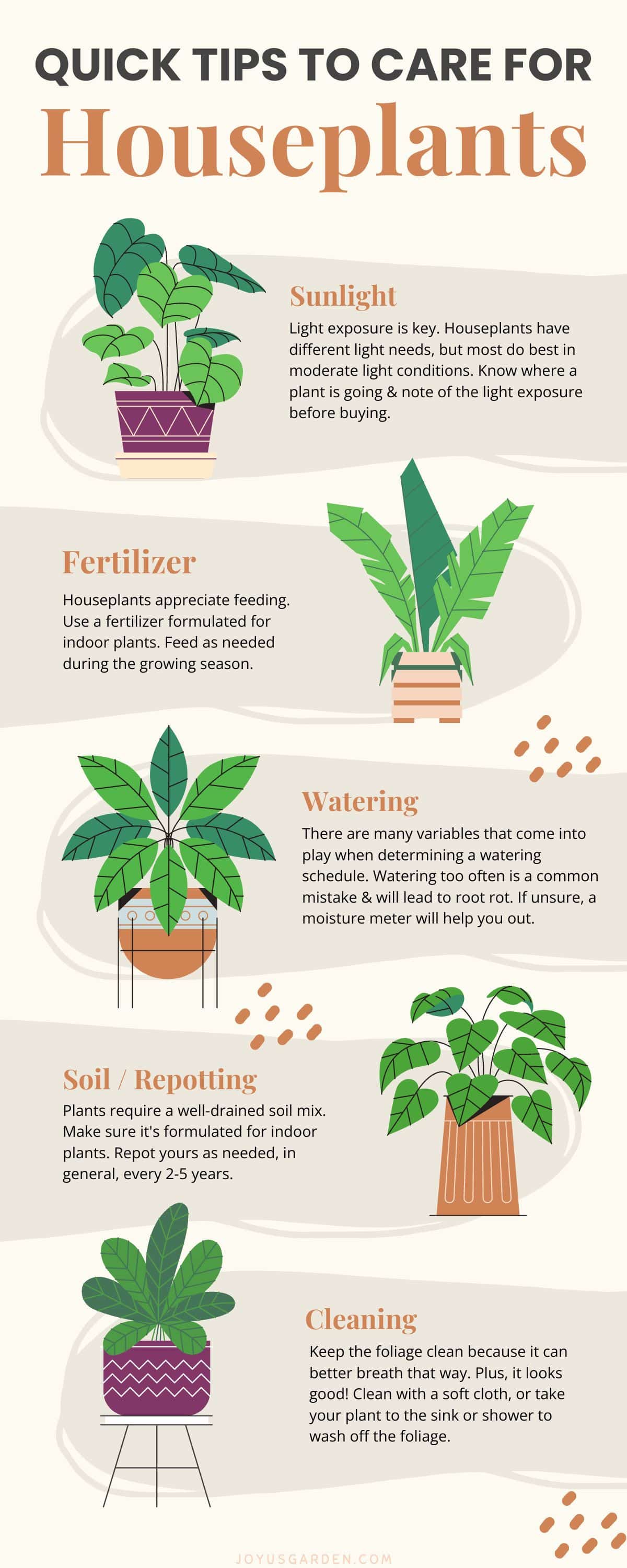
Plants eat light. Without enough of it, they can’t photosynthesize, which means they can’t grow. When you bring a plant home, check the tag for its light requirements.
Bright Indirect Light
This is the “goldilocks” zone for most houseplants. It means a spot where the sun isn’t hitting the leaves directly (which can cause sunburn), but the room is still very bright. Think of a spot a few feet away from a south-facing window.
Low Light
Low light doesn’t mean “no light.” If you put a plant in a windowless bathroom, it will eventually die. Low-light plants just handle slower growth rates and require less frequent watering. Snake plants and Cast Iron plants are the kings of these dim corners.
Direct Sunlight
Only a few houseplants, like Cacti, Succulents, and Bird of Paradise, can handle the heat of direct sun hitting their leaves all day. If you put a Fern in direct sun, it’ll be crispy by lunchtime.
The Golden Rule of Watering
The number one killer of indoor plants isn’t underwatering—it’s overwatering. Most beginners think “love” equals “more water,” but you’re actually drowning the roots. Roots need oxygen to breathe; if they’re constantly sitting in soggy soil, they’ll rot.
Instead of watering on a strict schedule (like “every Monday”), use the finger test. Stick your finger about two inches into the soil. If it feels dry, go ahead and water. If it’s still damp, wait a few days.
Drainage Is Non-Negotiable
When you water, you want the excess to have somewhere to go. This is why drainage holes in your pots are vital. If you find a beautiful ceramic pot that doesn’t have a hole, keep your plant in its plastic “nursery pot” and just set that inside the decorative one. This is called “cachepot” garden/’>gardening, and it makes watering so much easier. When you water, take the plastic pot to the sink, let it drain completely, and then put it back in the fancy pot.
Understanding Humidity Levels
Most of our houseplants come from tropical environments where the air is thick and moist. Our homes, especially in the winter when the heater is running, are incredibly dry.
If you notice the tips of your leaves turning brown and crispy, your plant might be thirsty for humidity. You can help by grouping plants together (they create their own little microclimate), placing them on a tray of pebbles filled with water, or simply running a humidifier nearby. Misting your plants with a spray bottle looks cool, but it actually doesn’t do much for long-term humidity.
Feeding Your Plants with Fertilizer
Think of fertilizer as a multivitamin, not actual food. Plants get their main energy from light, but they need nutrients from the soil to stay strong.
During the growing season (Spring and Summer), you can use a balanced liquid fertilizer once a month. In the Winter, most plants go dormant or grow very slowly, so you should stop fertilizing entirely. Over-fertilizing can burn the roots, so it’s always better to use a diluted strength if you’re unsure.
Dusting Your Leaves
This sounds like a chore, but it’s actually really important for a plant’s health. Dust settles on leaves and blocks sunlight from reaching the plant’s surface. Every once in a while, take a damp cloth and gently wipe down the leaves. Not only does it make the plant look shiny and beautiful, but it also helps it “breathe” better. It’s also a great time to check for any pests like spider mites or mealybugs that might be hiding under the leaves.
When to Repot Your Green Friends
You don’t need to repot a plant the moment you bring it home. In fact, many plants like being a bit snug in their pots. However, if you see roots growing out of the drainage holes or the water just runs straight through without soaking in, it’s time for a bigger home.
When repotting, only go up one size (about 2 inches wider in diameter). A pot that is too large will hold too much water, leading back to that dreaded root rot.
Common Signs of Trouble
Plants can’t talk, but they do send signals.
Yellow Leaves
This usually means the soil is too wet. Check the drainage and back off the watering.
Drooping Leaves
This can mean the plant is thirsty, but it can also mean it’s being overwatered. Check the soil! If the soil is dry, it needs a drink. If the soil is wet and it’s drooping, you have a root problem.
Leggy Growth
If your plant is growing long, skinny stems with very few leaves, it’s “stretching” for light. Move it closer to a window.
—
Conclusion
Taking care of indoor plants is a journey of trial and error. Don’t beat yourself up if you lose a leaf or two (or even a whole plant) along the way. Every “black thumb” is just a green thumb who didn’t give up. By paying attention to the light in your home, mastering the finger-test for watering, and ensuring your pots have proper drainage, you’ll be well on your way to creating a thriving indoor oasis. Just remember: plants are living things, and they appreciate a little patience as they adjust to their new environment.
—
FAQs
Should I use tap water for all my plants?
Most plants are fine with tap water, but some “sensitive” ones like Spider Plants or Calatheas can be picky about the chlorine or fluoride. If you notice brown tips, try using filtered water or let your tap water sit out overnight before using it.
How do I know if my plant has “root rot”?
If your plant is wilting despite wet soil, and you notice a funky, swampy smell coming from the pot, it’s likely root rot. You’ll need to take the plant out, trim away the mushy black roots, and repot it in fresh, dry soil.
Do plants really help clean the air?
While the famous NASA study says they do, you would actually need a literal forest in your living room to make a significant dent in air quality. They do, however, boost your mood and mental health, which is just as important!
Can I use garden soil for my indoor plants?
Avoid using soil from your backyard. It’s too heavy for pots and can contain pests or diseases. Always use a high-quality “potting mix” designed specifically for indoor containers.
What is the easiest plant to keep alive?
The ZZ Plant (Zamioculcas zamiifolia) is a top contender. It can survive in low light, handles drought like a champ, and rarely gets pests. It’s the perfect “starter” plant for anyone nervous about their skills.
:max_bytes(150000):strip_icc()/low-light-conditions-houseplants-1902917-834ee8847a324939b796845a6bc22d36.png?resize=200,135&ssl=1 "Snake Plant (")

:max_bytes(150000):strip_icc()/impossible-to-kill-outdoor-plants-1-2000-f513b0574cb04674a1bce40b832b28dd.jpg?resize=200,135&ssl=1 "Big Impact, Small Space: The Best Easy-to-Grow Plants For Compact Gardens")
