
The truth is, there is no “one size fits all” schedule. If someone tells you to water every Monday at 10:00 AM, they’re giving you a recipe for root rot. Watering is less about a calendar and more about a vibe check.
—
Why a Fixed Schedule Usually Fails
Most people start their plant journey by asking, “How many times a week should I water this?” While it’s a logical question, plants don’t actually care what day of the week it is. They care about how much moisture is left in their soil.
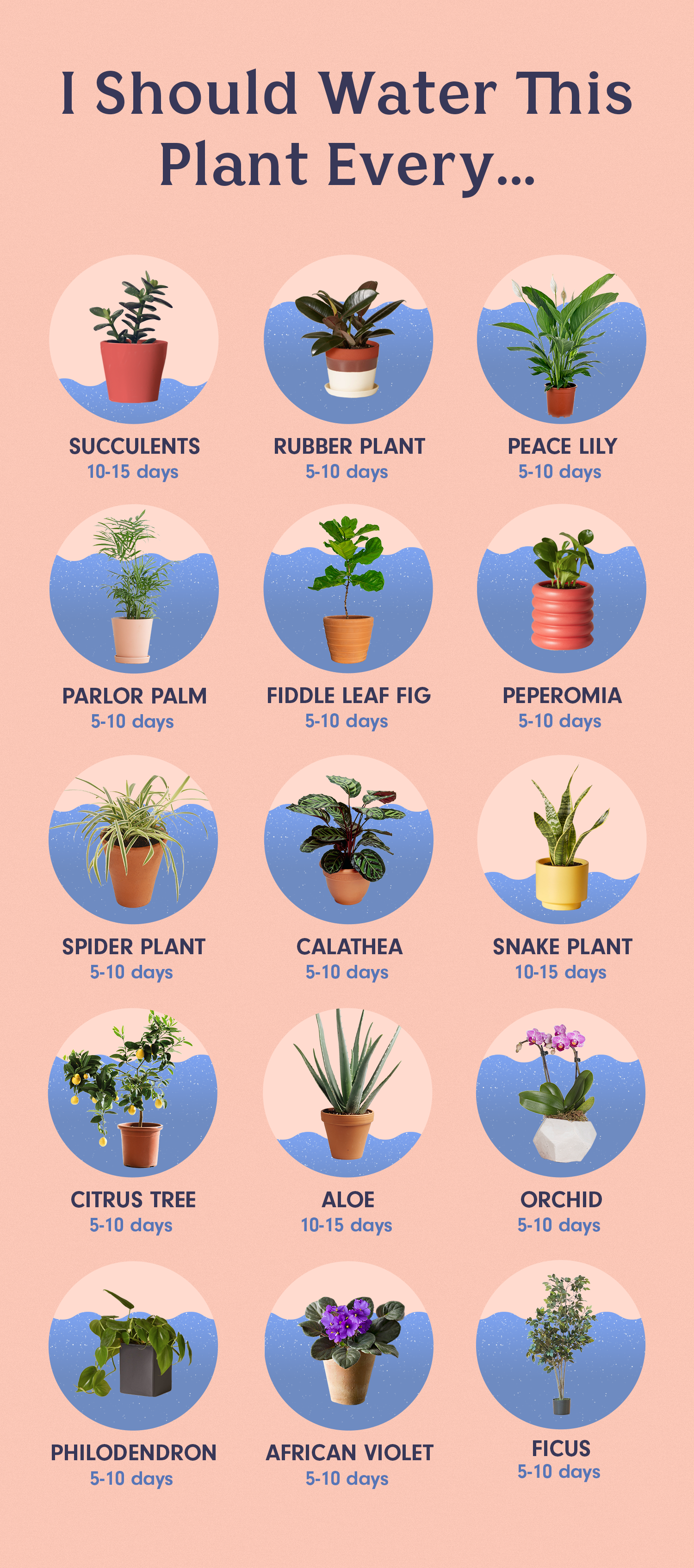
Factors like light, humidity, temperature, and even the material of your pot change how fast water evaporates. On a gloomy winter week, your plant might need zero water. During a heatwave in July, it might need a soak every three days. If you stick to a rigid schedule, you’re essentially force-feeding your plants regardless of whether they’re hungry.
The Finger Test: Your Best Diagnostic Tool
Forget fancy moisture meters for a second. Your index finger is the most reliable tool you own. To check if a plant needs water, poke your finger about two inches into the soil.
If the soil feels damp or cool, walk away. If it feels dry and dusty, it’s time for a drink. For larger pots, you might need to go a bit deeper. This simple check prevents the number one killer of houseplants: overwatering.
Understanding Different Plant Personalities
Not all plants have the same thirst levels. Grouping your plants by their needs makes your life a lot easier.
Thirsty Tropicals
Plants like ferns, calatheas, and peace lilies are the “goldilocks” group. They don’t want to be swimming in water, but they hate being bone-dry. For these guys, you generally want to water when the top inch of soil feels dry. They love consistency.
Drought-Tolerant Succulents and Cacti
These plants are built for neglect. They store water in their leaves and stems, meaning they want their soil to dry out completely—all the way to the bottom of the pot—before they get another drop. In the winter, you might only water these once a month.
The Middle Ground
Philodendrons, pothos, and monsteras are pretty chill. They like a bit of a dry-out period but don’t want to be parched for weeks. Usually, waiting until the top 50% to 75% of the soil is dry is the winning strategy for these popular picks.
How Environmental Factors Change Everything
Your house isn’t a laboratory; it’s a living space that changes with the seasons.
Light Exposure
Light is the fuel for photosynthesis. The more light a plant gets, the faster it works, and the more water it drinks. A plant sitting in a south-facing window will need much more frequent watering than the same plant tucked away in a dim corner.
Humidity and Airflow
If you have the AC blasting or the heater cranking, the air gets dry. This sucks moisture out of the leaves and the soil faster. Conversely, if you live in a humid climate, your soil will stay damp for much longer.
Potting Material Matters
Terracotta pots are porous, meaning they breathe. They pull moisture out of the soil, which is great for succulents. Plastic or glazed ceramic pots trap moisture inside. If you move a plant from plastic to terracotta, expect to water it way more often.
Signs You Are Overwatering
Overwatering is often “killing with kindness.” When roots sit in soggy soil for too long, they can’t breathe. They eventually rot, and ironically, the plant starts to look like it’s dying of thirst because the rotten roots can no longer flip water up to the leaves.
Yellowing Leaves and Mushy Stems
If your leaves are turning a pale, sickly yellow and feel soft or “mushy” rather than crispy, you’re likely overwatering. If the base of the plant feels unstable or brown and slimy, root rot has probably set in.
The Presence of Fungus Gnats
Those annoying little black flies that hover around your pots? They love wet soil. If you have a gnat outbreak, it’s a huge red flag that your soil is staying too damp for too long.
Signs You Are Underwatering
Underwatering is usually easier to fix, provided you don’t wait too long.
Drooping and Wilting
This is the classic “feed me” sign. Many plants, like peace lilies, will dramatically wilt when they’re dry. Usually, a good soak will perk them right back up within a few hours.
Crispy Brown Edges
If the edges of your leaves are turning brown and crunchy, the plant is likely struggling to get enough moisture to its extremities. This can also be a sign of low humidity, but check the soil first.
The Proper Way to Actually Water
When it’s finally time to water, don’t just give it a tiny sip. You want to “water deeply.” This means pouring water in until it starts to run out of the drainage holes at the bottom.
This ensures that the roots at the very bottom of the pot are getting hydrated. It also helps wash away any salt or mineral buildup from fertilizers. Just make sure you don’t let the plant sit in a saucer full of standing water for more than 30 minutes.
—
Conclusion
Mastering the art of watering houseplants is all about observation. Instead of looking at your calendar, look at your plants. Get used to the weight of the pot—a dry plant is much lighter than a wet one. By paying attention to the soil moisture, the light levels in your room, and the specific cues your plants are giving you, you’ll move from being a “plant killer” to a confident indoor garden/’>gardener. Remember: when in doubt, wait a day. Most plants handle a little drought much better than a flood.
—
FAQ
Does the type of water I use matter for my plants?
For most plants, tap water is fine if it’s safe for humans. However, some sensitive plants like Spider Plants or Dracaenas are picky about chlorine and fluoride. If you notice “burnt” tips, try using rainwater or distilled water.
Should I water my plants more often in the winter?
Generally, no. Most plants go into a dormant or “slow-growth” phase in the winter. Because there is less light and the plant isn’t growing as fast, they actually need significantly less water than they do in the spring and summer.
Is bottom-watering better than top-watering?
Bottom-watering (placing the pot in a bowl of water) is great because it ensures the soil is thoroughly saturated without compacting the top layer. It’s especially helpful for plants that hate getting their leaves wet, like African Violets.
Can I use a spray bottle to water my plants?
Misting isn’t the same as watering. While misting can briefly boost humidity, it doesn’t provide the roots with the hydration they need. Always pour water directly onto the soil to ensure the plant is actually “drinking.”
What should I do if my soil is so dry it won’t absorb water?
Sometimes peat-based soil becomes “hydrophobic” when it dries out completely—the water just runs down the sides. If this happens, soak the entire pot in a sink or bucket for 20 minutes to force the soil to rehydrate.

:max_bytes(150000):strip_icc()/low-light-conditions-houseplants-1902917-834ee8847a324939b796845a6bc22d36.png?resize=200,135&ssl=1 "Snake Plant (")
:max_bytes(150000):strip_icc()/impossible-to-kill-outdoor-plants-1-2000-f513b0574cb04674a1bce40b832b28dd.jpg?resize=200,135&ssl=1 "Big Impact, Small Space: The Best Easy-to-Grow Plants For Compact Gardens")
