
It happens to the best of us. You buy a beautiful, vibrant fern or a trendy fiddle leaf fig, and a month later, it looks like it’s auditioning for a role in a desert movie. The leaves are crispy, the stems are drooping, and you’re already eyeing the trash can. But before you give up on your leafy roommate, take a deep breath. Plants are incredibly resilient, and more often than not, they just need a little “tough love” and some natural TLC to bounce back.
Resurrecting a plant doesn’t require expensive chemical fertilizers or a degree in botany. It’s mostly about observation and adjusting the environment to mimic what that plant would experience in the wild. If you’re ready to play plant doctor, here is your step-by-step guide to reviving your dying greenery naturally.
—
Step 1: Diagnose the Problem Before You Act
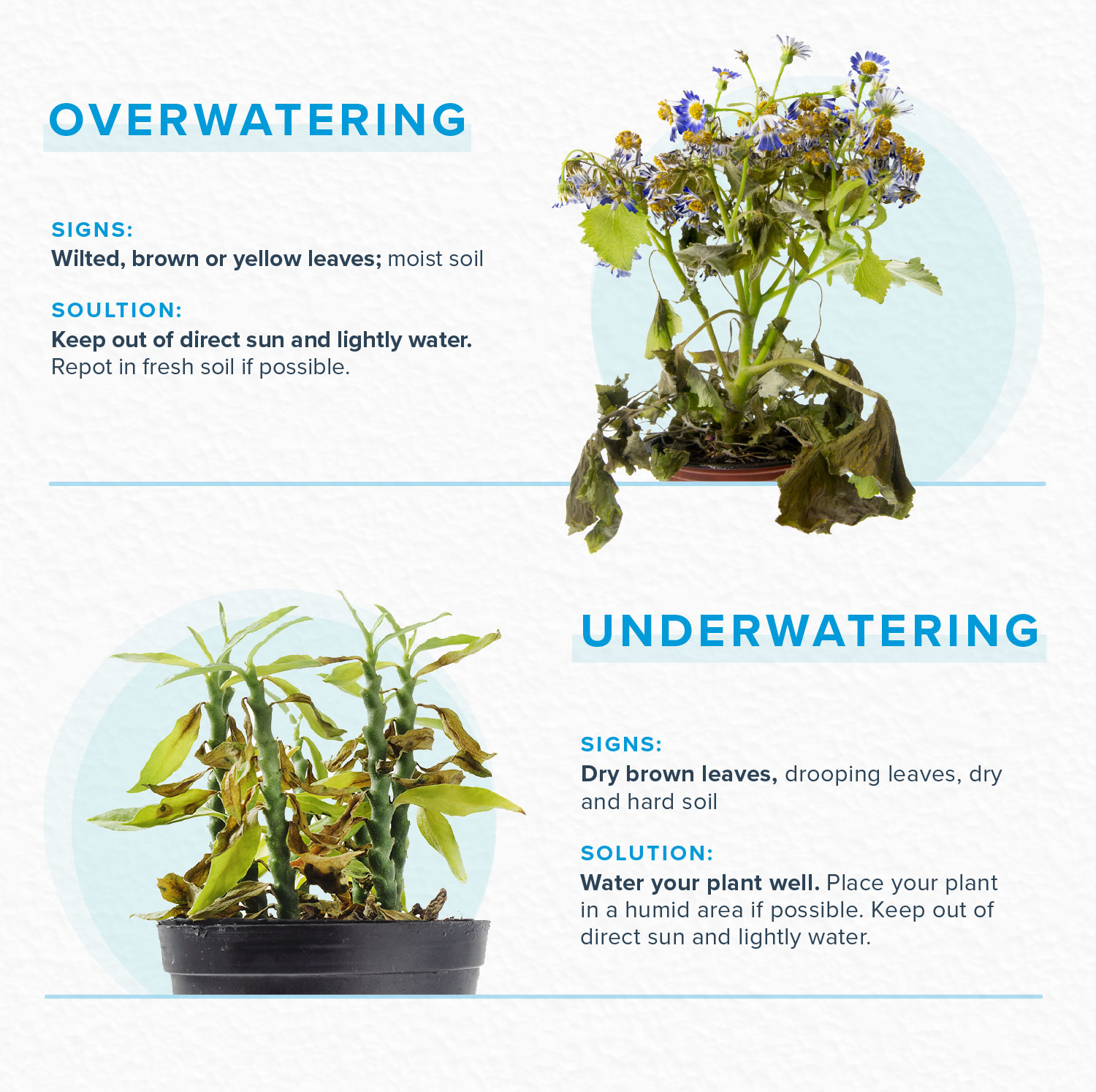
The biggest mistake people make is panic-watering. If a plant looks sad, we assume it’s thirsty. But did you know that overwatering is actually the number one killer of houseplants? Before you grab the watering can, look for clues. If the leaves are yellow and mushy, you’ve likely drowned it. If they are brown, brittle, and curling, it’s probably parched. Checking the soil with your finger—about two inches deep—is the most reliable “natural” sensor you have.
Step 2: Perform a “Wellness Trim”
When a plant is struggling, it’s wasting precious energy trying to keep dying leaves alive. You need to help it redirect that energy to the roots and new growth. Take a pair of clean scissors and snip off any completely brown or yellow leaves. If a stem is mushy or black, cut it back until you see green, healthy tissue. This might make the plant look a bit “naked” for a while, but it’s a necessary step for a natural recovery.
Step 3: Check the Light Situation
Plants are essentially solar-powered. If your plant is leggy (long stems with very few leaves), it’s literally stretching to find light. Conversely, if the leaves have bleached or burnt spots, it’s getting toasted by the sun. Move your plant to a spot with indirect sunlight. Most “dying” plants thrive in a bright room but away from the harsh, direct rays of a window. Think of it as putting your plant in a recovery ward where the lighting is just right.
Step 4: The Bottom-Watering Technique
If your soil has become so dry that it’s pulling away from the edges of the pot, regular watering won’t work—the water will just run down the sides and out the bottom. Instead, use the natural method of “bottom watering.” Fill a sink or a basin with a few inches of filtered water and set the pot inside. Let it sit for about 30 to 60 minutes. The soil will naturally wick up exactly as much moisture as it needs through the drainage holes.
Step 5: Refresh the Soil Naturally
Sometimes the soil is simply “spent”—it has no nutrients left to give. You don’t need synthetic plant food. Instead, try top-dressing the soil with a little bit of organic compost or earthworm castings. You can even use cooled, diluted green tea or crushed eggshells to provide a gentle boost of minerals. If the soil is packed too tight, gently poke it with a chopstick to aerate it, allowing oxygen to reach the roots again.
Step 6: Clean the Leaves for Better Breathing
Plants breathe through tiny pores in their leaves called stomata. If your plant is covered in dust, it’s essentially trying to breathe through a thick blanket. Take a soft, damp cloth and gently wipe down each leaf. This not only helps the plant photosynthesize more efficiently but also allows you to check for natural pests like spider mites or aphids that might be sucking the life out of your plant.
Step 7: Create a Natural Humidity Tent
Tropical plants often die because our indoor air is way too dry, especially in the winter. If your plant is struggling, you can create a natural “greenhouse” effect. Group several plants together (they naturally release moisture and create a humid microclimate) or place the pot on a tray filled with pebbles and a little water. As the water evaporates, it creates a humid envelope around the leaves without rotting the roots.
Step 8: Be Patient and Observe
The most natural part of the process is time. You won’t see a miracle overnight. Once you’ve adjusted the light, water, and soil, leave the plant alone. Resist the urge to move it every two days. Plants hate being moved; it causes them stress. Give it at least two weeks to show signs of improvement. If you see a tiny green nub or a new leaf unfurling, congratulations—you’ve officially brought it back from the brink.
—
Conclusion
Reviving a dying plant is one of the most rewarding experiences a garden/’>gardener can have. It teaches us patience and helps us tune back into the natural rhythms of growth and decay. By focusing on the basics—light, water, and soil health—and avoiding the temptation to use harsh chemicals, you give your plant the best chance at a long, healthy life. Remember, every “brown thumb” is just a green thumb in training. Don’t be afraid to experiment, observe, and learn from your plants. They are much tougher than they look!
—
Frequently Asked Questions
Can I use coffee grounds to revive my plants?
Yes, but use them sparingly! Coffee grounds are acidic and high in nitrogen. They are great for acid-loving plants like ferns or peace lilies, but don’t just dump a mountain of wet grounds on top of the soil, as this can lead to mold. It’s best to mix a small amount into the soil or add them to a compost pile first.
How do I know if my plant is actually dead or just dormant?
Try the “scratch test.” Use your fingernail to gently scratch a small bit of bark or skin off the main stem. If it’s green and moist underneath, the plant is still alive. If it’s brown and brittle all the way through, the plant has likely passed on.
Is tap water bad for struggling plants?
It can be. Many municipal water sources contain chlorine and fluoride, which can be tough on sensitive plants like Calatheas or Spider Plants. A natural fix is to leave your watering can out overnight; this allows the chlorine to evaporate before you use it on your plants.
Should I repot a dying plant immediately?
Usually, no. Repotting is a very stressful event for a plant. If a plant is already dying, the shock of a new pot and new soil might finish it off. It’s better to stabilize the plant in its current home first, and only repot once you see signs of new, healthy growth.
Why are the tips of my plant leaves turning brown?
This is usually a sign of low humidity or “tip burn” from salt buildup in the soil. Try misting the plant naturally or using the pebble tray method mentioned above. Also, ensure you are letting excess water drain out completely to flush out any natural mineral buildup.
—

:max_bytes(150000):strip_icc()/low-light-conditions-houseplants-1902917-834ee8847a324939b796845a6bc22d36.png?resize=200,135&ssl=1 "Snake Plant (")

