
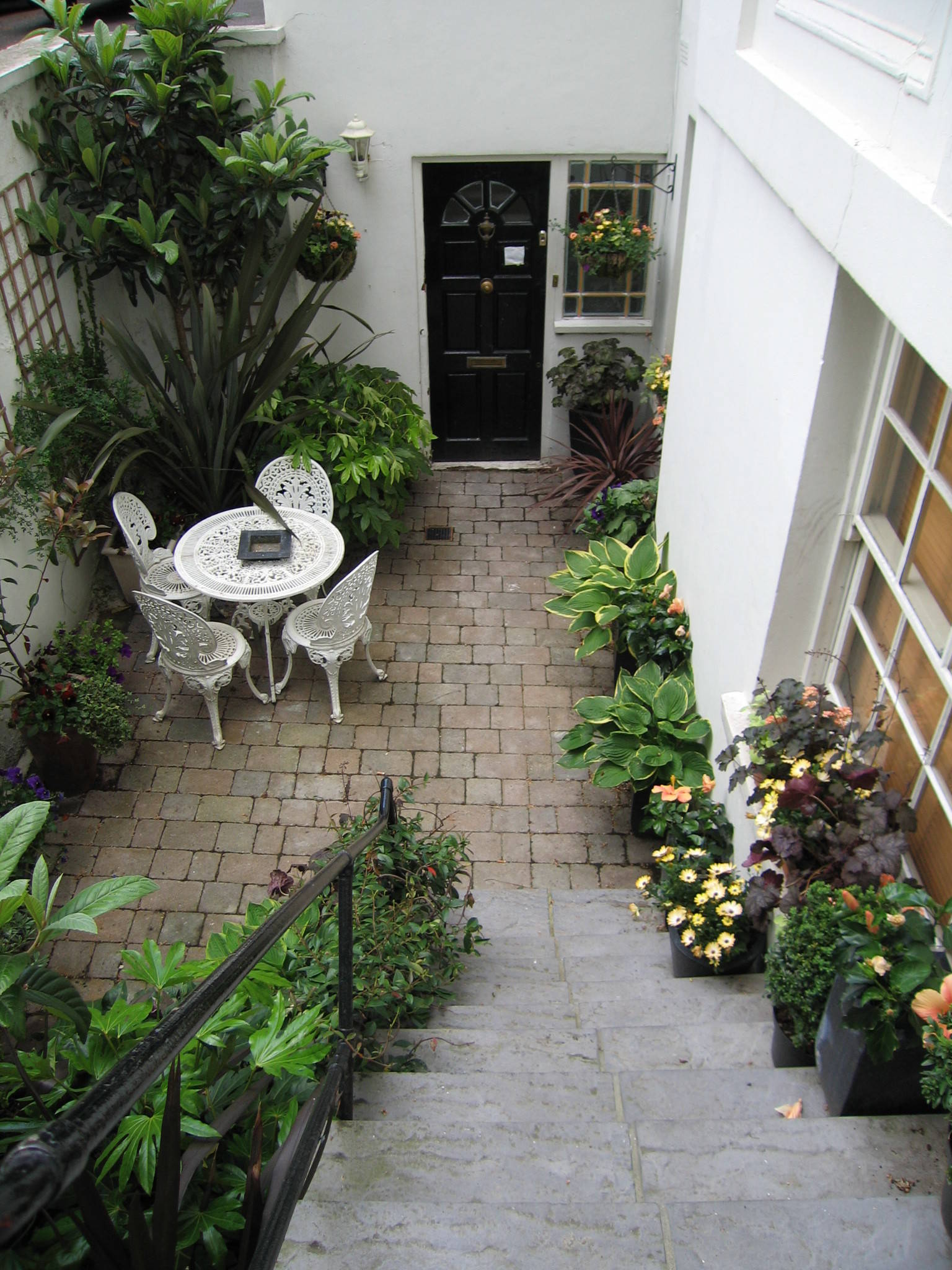
Let’s be real: having a small backyard can feel a bit like living in a studio apartment. You want the luxury of a sofa, a dining table, and a bookshelf, but you’ve only got a few square feet to work with. In the garden/’>gardening world, the struggle is just as real. You want the lush greenery, the vibrant flowers, and maybe a little privacy, but you don’t want your yard to turn into an impenetrable jungle three months after planting.
The secret to small-scale landscaping isn’t about how much space you have; it’s about making every plant earn its keep. You need “high-performance” plants—species that stay compact, offer multi-season interest, and don’t try to take over the neighborhood. Whether you’re dealing with a tiny patio, a narrow side yard, or a compact suburban lot, here is your guide to the best plants that bring big personality to small spaces.
—
Think Vertical with Columnar Trees
When floor space is at a premium, you have to look up. Columnar trees (often called “fastigiate” varieties) are bred to grow tall and skinny rather than wide and sprawling. They provide that much-needed height and architectural interest without casting a giant shadow over your entire lawn.
Skyrocket Juniper for Year-Round Structure
The Skyrocket Juniper is a classic for a reason. It grows in a tight, silvery-blue spire that stays incredibly narrow. It’s perfect for framing an entrance or creating a “living fence” in a space where a traditional hedge would be too bulky. Plus, it’s an evergreen, so your yard won’t look skeletal and depressing once the winter hits.
Columnar Apple Trees for Edible Small Spaces
Who says you need an orchard to grow fruit? Columnar apple trees, like the ‘Northpole’ or ‘Golden Sentinel’ varieties, grow straight up like a pillar. They produce full-sized fruit on short spurs along the main trunk. You can plant these in large pots or tuck them into a sunny corner, giving you a harvest without the sprawling canopy of a traditional fruit tree.
—
Low-Maintenance Shrubs That Stay Put
In a small yard, you want to avoid “vigorous” growers. In gardener-speak, “vigorous” often means “you will be pruning this every weekend just to find your back door.” Instead, look for dwarf cultivars that have a natural “stop” button on their growth.
Little Lime Hydrangea for Big Blooms
Everyone loves hydrangeas, but the standard ‘Limelight’ can easily reach 8 feet wide, which is a bit much for a tiny courtyard. Enter the ‘Little Lime.’ It gives you those same stunning celadon-green flowers that fade to pink and burgundy, but it tops out at about 3 to 5 feet. It’s the perfect size for a foundation planting or a focal point in a small bed.
Boxwood ‘Green Velvet’ for Clean Lines
If you like the look of a formal garden or just want some structured greenery, ‘Green Velvet’ Boxwood is your best friend. It grows in a natural mound and holds its green color well through the winter. Because it grows slowly, you won’t be out there with the shears every other day. It’s a great way to define edges or create a low hedge that stays “neat and tidy.”
—
Perennials with Maximum Impact
Perennials are the soul of the garden. For small spaces, the goal is to choose plants that offer more than just a week of flowers. You want interesting foliage, long bloom times, or unique textures.
Coral Bells (Heuchera) for a Pop of Color
If your small backyard is a bit shady, Coral Bells are a total game-changer. They aren’t just about the flowers (which are tiny and delicate); they are all about the leaves. You can find them in shades of lime green, deep purple, burnt orange, and even silver. They stay in compact clumps, making them ideal for edging paths or filling in gaps between larger plants.
Lavender for Sensory Magic
When space is tight, you’re often sitting much closer to your plants. This is the perfect excuse to plant something fragrant. English Lavender stays relatively small and offers beautiful purple spikes and that iconic scent. It loves a sunny, well-drained spot and brings in pollinators like bees and butterflies, making your small yard feel like a living ecosystem.
Blue Oat Grass for Texture and Movement
Ornamental grasses add a sense of movement that can make a small space feel more dynamic. Blue Oat Grass stays in a tidy, rounded clump about two feet tall. Its stiff, blue-gray blades provide a great color contrast to traditional green leaves, and it doesn’t spread aggressively like some other grass varieties.
—
Groundcovers: The Living Mulch
In a small garden, every inch of soil is visible. Instead of staring at bags of brown mulch, why not use “living mulch”? Groundcovers fill in the gaps, suppress weeds, and add another layer of beauty to your design.
Creeping Thyme for Walkways
If you have a path made of stepping stones, plant Creeping Thyme in the cracks. It’s tough enough to handle occasional foot traffic, and when you step on it, it releases a wonderful herbal aroma. It stays less than an inch tall and produces a carpet of tiny pink or purple flowers in the summer.
Mondo Grass for a Modern Look
For a sleek, contemporary vibe, Dwarf Mondo Grass is unbeatable. It looks like dark green fur and grows very slowly. It’s perfect for creating “green joints” between pavers or for a minimalist groundcover under a specimen tree. It’s incredibly low-maintenance and stays green all year.
—
Designing for Depth and Dimension
Selecting the right plants is only half the battle; how you arrange them matters just as much. In a small backyard, you can use a few visual tricks to make the space feel larger than it actually is.
Layer Your Heights
Even in a narrow bed, try to have a “back, middle, and front.” Put your columnar trees or tall shrubs against the fence, mid-sized perennials like hydrangeas in the center, and low-growing groundcovers at the edge. This layering creates a sense of depth that draws the eye through the garden rather than just hitting a flat wall of green.
Use a Consistent Color Palette
A riot of twenty different colors can make a small yard feel cluttered and chaotic. To make the space feel harmonious and expansive, stick to a limited color palette. For example, a mix of whites, blues, and silver foliage can create a “cool” feeling that makes the boundaries of the yard seem to recede.
—
Conclusion
Creating a beautiful landscape in a small backyard is all about being intentional. By choosing “right-sized” plants like columnar trees, dwarf shrubs, and high-impact perennials, you can create a lush, inviting retreat without feeling cramped. Remember to look for plants that offer multiple seasons of interest and don’t be afraid to use vertical space to your advantage. With a little planning, even the smallest patch of dirt can become your favorite “room” in the house.
—
Frequently Asked Questions
What is the best tree for a very narrow backyard?
The Skyrocket Juniper or the Italian Cypress are excellent choices because they grow vertically with a very small footprint. If you want flowers, look for “columnar” varieties of flowering cherry or crabapple trees.
How do I stop my plants from overgrowing my small space?
The best way is to check the “mature size” on the plant tag before you buy. Always choose “dwarf” or “compact” cultivars. If a plant does start to get too big, regular light pruning in the early spring or late fall can help maintain its shape.
Can I grow vegetables in a small landscaped backyard?
Absolutely! You don’t need a dedicated vegetable patch. You can “interplant” edibles like kale, Swiss chard, or herbs right into your flower beds. They are often just as beautiful as ornamental plants and save a ton of space.
What are the best plants for a small, shady backyard?
Hostas, Coral Bells (Heuchera), and Ferns thrive in low light and stay relatively compact. For a flowering shrub in the shade, consider the Oakleaf Hydrangea or Pieris Japonica, which offer great texture and color.
Do I have to plant everything in the ground?
Not at all. In small backyards, containers are your best friend. Using large pots allows you to grow plants that might otherwise struggle in your soil and lets you move things around to refresh the look of your yard whenever you feel like it.
—

:max_bytes(150000):strip_icc()/low-light-conditions-houseplants-1902917-834ee8847a324939b796845a6bc22d36.png?resize=200,135&ssl=1 "Snake Plant (")

