
If you’re living in an apartment with a tiny balcony or just have a sun-drenched patio, container garden/’>gardening is your new best friend. It’s easier to control pests, you don’t have to deal with heavy-duty weeding, and you can literally move your garden around if the sun shifts. Here is everything you need to know to turn your porch into a mini-farm.
Picking the Right Pots
You can’t just grab any old bucket and hope for the best. Size matters here. If you put a tomato plant in a tiny 6-inch pot, it’s going to get “root bound” and stop growing before you even see a flower.
For most leafy greens like spinach or lettuce, shallow pots work fine. But for the heavy hitters like peppers, eggplants, or tomatoes, you’re looking at a 5-gallon bucket minimum. Also, make sure there are drainage holes at the bottom. If the water has nowhere to go, your plants’ roots will essentially drown and rot, which is a total buzzkill for your gardening dreams.
Why You Should Skip the Garden Soil
This is the number one mistake beginners make. They go to their backyard, dig up some dirt, and put it in a pot. Don’t do that. Real ground soil is way too heavy and compact for containers; it’ll turn into a brick when it dries out.
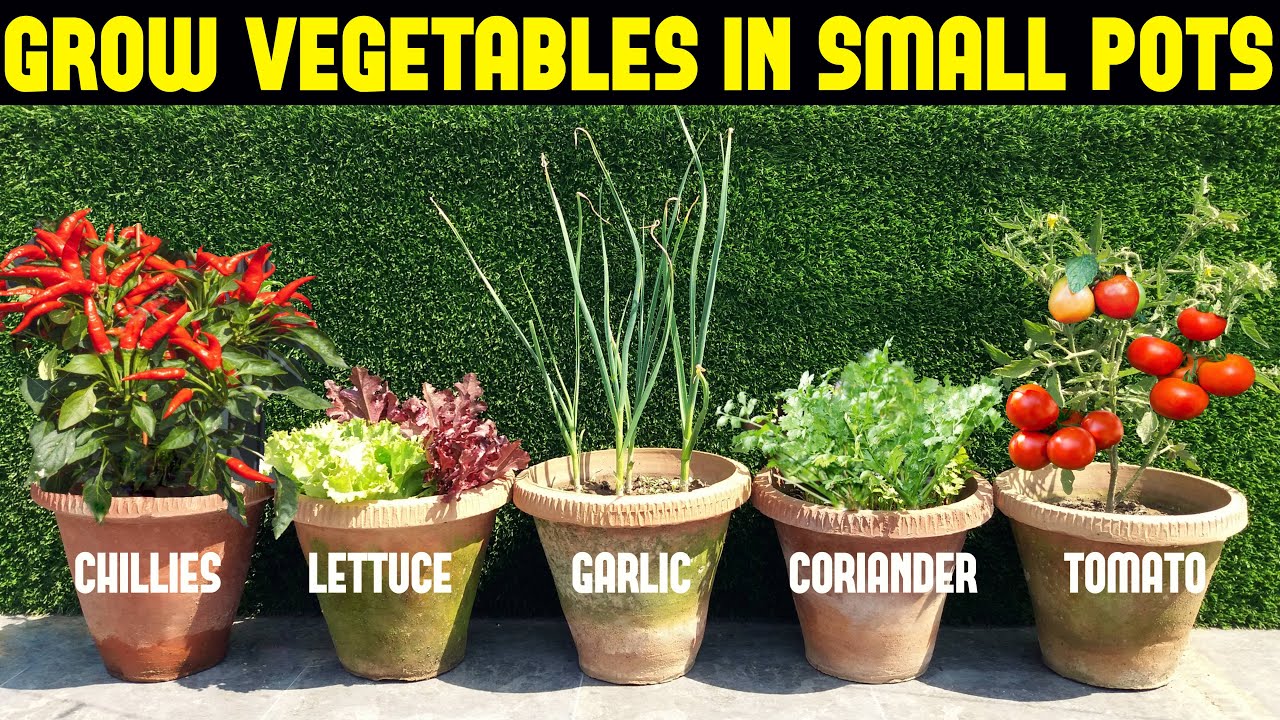
Instead, buy “potting mix.” It’s actually soil-less, usually made of peat moss, pine bark, and perlite. It’s light, fluffy, and designed to hold just enough moisture while letting the rest drain away. Your plants’ roots need to breathe, and potting mix gives them that oxygen.
The Magic of Sunlight
Vegetables are basically solar-powered. Most “fruiting” vegetables—things that produce an actual fruit like cucumbers or peppers—need at least 6 to 8 hours of direct sunlight. If your balcony is shaded by a giant oak tree or another building, you aren’t out of luck, but you’ll need to stick to leafy greens or herbs like mint and parsley, which are much more chill about lower light levels.
Watering Without Overdoing It
Watering pots is different than watering a garden bed. Pots dry out way faster, especially if they are made of terracotta, which breathes. In the heat of the summer, you might need to water your containers twice a day.
The best way to check is the “finger test.” Stick your finger about an inch into the soil. If it feels dry, give it a drink. If it’s still damp, leave it alone. When you do water, soak it until you see water running out of the drainage holes at the bottom. This ensures the roots at the very bottom are actually getting a drink.
Feeding Your Plants
Because you’re using potting mix (which is often sterile) and because watering washes nutrients out of the bottom of the pot, you have to play chef. Your plants are going to get hungry.
Get a good organic liquid fertilizer and feed them every two weeks. Think of it like a multivitamin. Without those extra nutrients, your plants might look green, but they won’t have the energy to produce those big, juicy vegetables you’re looking for.
Choosing the Best Vegetables for Containers
Not every veggie is built for pot life. If you’re just starting out, here are the easiest wins:
Cherry Tomatoes
These are the kings of container gardening. They grow fast, produce a ton of fruit, and don’t need as much root space as the giant beefsteak varieties. Just make sure you give them a small trellis or a cage to climb on.
Salad Greens
Lettuce, arugula, and kale are great because you can harvest the outer leaves and the plant will just keep growing more from the center. You can have a “cut and come again” salad bar right outside your door.
Radishes
If you’re impatient, grow radishes. Some varieties go from seed to your dinner plate in about 25 days. They’re basically the “instant gratification” of the vegetable world.
Bell Peppers and Chilies
Peppers actually love the heat that builds up in a pot. They stay relatively compact and look beautiful even before the fruit is ripe.
Dealing with Pests and Problems
Just because your plants are in pots doesn’t mean bugs won’t find them. Aphids and hornworms are the usual suspects. Since your garden is small, you don’t need heavy chemicals. A simple spray bottle with water and a tiny drop of dish soap usually does the trick to keep the tiny invaders at bay.
The most important thing is to keep an eye on them. Spend five minutes every morning with your coffee just looking at the leaves. If you catch a problem early, it’s an easy fix. If you wait a week, the bugs might have already moved in and started a family.
Conclusion
Growing vegetables in pots is all about trial and error. Some years your tomatoes will be legendary, and other years a heatwave might crisp up your lettuce. But there is nothing quite like the feeling of walking five steps to your patio and picking fresh ingredients for your dinner. It saves money, it’s a great stress-reliever, and the taste of a homegrown veggie beats anything you’ll find in a plastic grocery store container. Grab a bag of dirt, a couple of pots, and just start—you’ll be surprised how much you can grow in a tiny space.
—
Frequently Asked Questions
Can I reuse the potting soil for next year?
You can, but it’s a bit risky. Soil loses its structure and nutrients over a season. If you want to reuse it, mix it 50/50 with fresh potting mix and add some compost to “recharge” it. However, if your plants had any diseases or major pest issues last year, it’s better to start fresh to avoid passing those problems onto your new crop.
Do I need to put rocks at the bottom of the pot for drainage?
Actually, no! This is an old gardening myth. Putting rocks at the bottom can actually create a “perched water table,” which keeps the water closer to the roots and can cause rot. Just use high-quality potting mix and make sure your pot has plenty of holes in the bottom.
Is it better to start from seeds or buy baby plants?
If you’re a beginner, go to a nursery and buy “starts” (baby plants). It gives you a head start and skips the tricky germination phase. Once you get a little more confident, starting from seed is much cheaper and gives you access to hundreds of cool varieties you can’t find at a big-box store.
Why are the leaves on my vegetable plants turning yellow?
Yellow leaves usually mean one of two things: overwatering or a lack of nitrogen. Check the moisture first; if the soil is soggy, back off the watering. If the soil feels fine, it’s time to hit them with some liquid fertilizer to give them a nutrient boost.
How do I know when to harvest my vegetables?
Most veggies tell you when they’re ready by their color and “feel.” Tomatoes should be fully colored and slightly soft to the touch. For greens, the younger the leaf, the more tender it will be. If you let things grow too large (like cucumbers or zucchini), they can get bitter and full of tough seeds, so it’s usually better to harvest a little early than too late.

:max_bytes(150000):strip_icc()/low-light-conditions-houseplants-1902917-834ee8847a324939b796845a6bc22d36.png?resize=200,135&ssl=1 "Snake Plant (")

