
The good news? You don’t need a lab full of chemicals to speed things up. You can give your greenery a serious boost using natural, sustainable methods that respect the environment and your wallet. Whether you’re trying to harvest tomatoes before the first frost or you just want your Monstera to look like a jungle, here is how you can get your plants moving.
—
Start With a Foundation of High Quality Soil
Think of soil as your plant’s pantry. If the pantry is empty or full of junk food, the plant isn’t going to perform well. Most people make the mistake of using old, compacted dirt from the backyard, but that’s a recipe for slow growth.
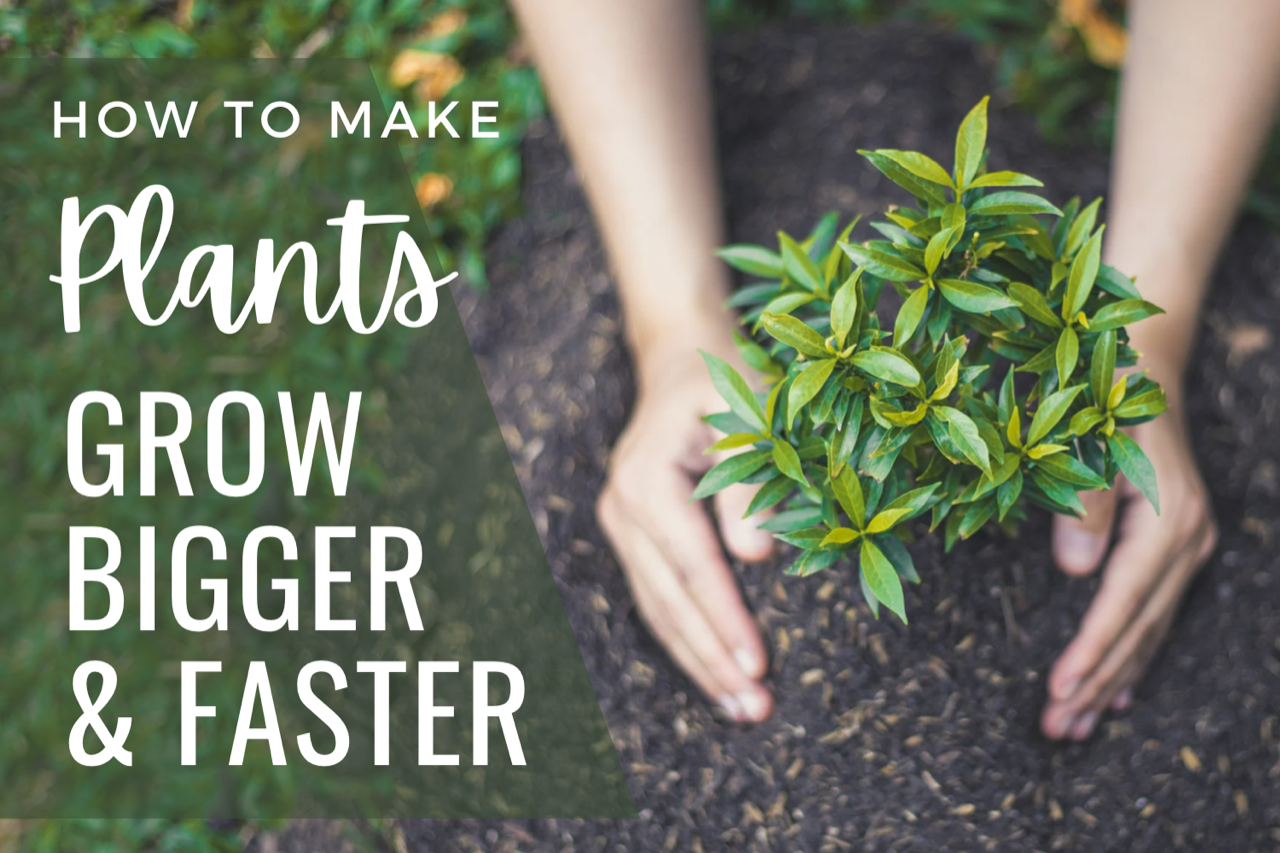
To grow plants faster naturally, you need soil that is loose, airy, and nutrient-dense. This allows roots to spread out without fighting through hard clay. If the roots can move easily, the plant can focus its energy on growing leaves and fruit rather than struggling underground.
Give Them a Caffeine Kick With Coffee Grounds
Believe it or not, your morning brew can help your garden/’>garden wake up too. Used coffee grounds are packed with nitrogen, which is the primary fuel for green, leafy growth. Nitrogen helps plants photosynthesize more efficiently, leading to faster development.
Don’t just dump a mountain of wet grounds on your plants, though. Sprinkle them lightly on the surface or mix them into your compost. They are slightly acidic, so they are particularly great for “acid-loving” plants like blueberries, roses, and azaleas.
Boost Growth Using Banana Peel Tea
If nitrogen handles the leaves, potassium handles the overall “immune system” and water regulation of the plant. Potassium is essential for strong stems and healthy fruit production. Instead of throwing away your banana peels, soak them in a jar of water for 24 to 48 hours.
This “banana tea” leaches the minerals into the water, creating a quick-acting liquid fertilizer. Pouring this at the base of your plants once a week provides a natural growth spurt that you’ll notice in the vibrance of the flowers and the thickness of the stems.
Master the Art of Deep Watering
Most people water their plants frequently but shallowly. This is a mistake. When you only wet the top inch of soil, the roots stay near the surface to get a drink. Surface roots are vulnerable to heat and drying out, which stunts growth.
Instead, water deeply and less often. This encourages the roots to grow deep into the earth to find moisture. A deep root system creates a much more resilient and faster-growing plant because it can access nutrients and water that surface-level plants can’t reach.
Use Epsom Salts for Magnesium Magnesium
If your plants look a little yellow or stunted, they might be “hungry” for magnesium. Epsom salt (magnesium sulfate) is a secret weapon for many master gardeners. Magnesium helps plants take up other nutrients like phosphorus and nitrogen more effectively.
Mix about a tablespoon of Epsom salt into a gallon of water and use it to water your plants once a month. It’s especially effective for peppers and tomatoes, often resulting in larger yields and faster-ripening fruit.
Maximize Sunlight with Reflective Mulch
Plants eat light. If they aren’t getting enough “calories” from the sun, they will grow slowly and become “leggy” (tall and thin). While you can’t move the sun, you can trick your plants into getting more light.
Using light-colored mulch or even placing reflective surfaces near your plants can bounce sunlight back up onto the undersides of the leaves. This increases the rate of photosynthesis, allowing the plant to generate more energy for growth.
Talk to Your Plants or Play Music
Okay, it sounds a bit “woo-woo,” but there is actual science here. While plants don’t have ears, they are sensitive to vibrations. Some studies suggest that certain sound frequencies—like those found in classical music or even the vibration of a human voice—can stimulate the plant’s stomata (tiny pores) to stay open longer.
When stomata stay open, the plant takes in more carbon dioxide, which it uses to create food. Plus, if you’re talking to your plants, you’re more likely to notice if they have bugs or need water!
Prune Away the Dead Weight
It feels counterintuitive to cut a plant when you want it to grow, but pruning is essential for speed. When a plant has yellowing leaves or dying stems, it’s still sending energy to those areas to try and “fix” them.
By snipping off the dead parts, you tell the plant to stop wasting resources. It can then redirect 100% of its energy into new, healthy growth. Think of it like a haircut that makes the rest of your hair look thicker and healthier.
Harness the Power of Mycorrhizal Fungi
In nature, plants have a “buddy system” with fungi. Mycorrhizal fungi attach to plant roots and act as an extension of the root system. They can reach into tiny crevices in the soil that roots can’t, bringing back water and nutrients in exchange for sugars from the plant.
You can buy these fungi in powder form at most garden centers. Dusting your roots with it during planting is like giving your plant a supercharged engine. It increases the surface area of the roots by hundreds of times, leading to explosive growth.
—
Conclusion
Growing plants faster doesn’t require a degree in botany or a shelf full of synthetic sprays. By focusing on the health of the soil, utilizing kitchen scraps like coffee and banana peels, and ensuring deep root development, you are simply giving nature the tools it needs to do its job better. Remember that gardening is a partnership; the more you observe and respond to your plants’ needs, the more they will reward you with rapid growth and beautiful blooms.
—
Frequently Asked Questions
Can I use too many natural fertilizers at once?
Yes. Even natural options like coffee grounds or Epsom salts can be overdone. Too much nitrogen can burn roots, and too much magnesium can block the uptake of calcium. It’s always better to start with small amounts and see how the plant reacts before adding more.
How much faster will my plants grow with these methods?
While you won’t see a beanstalk grow to the clouds overnight, you can typically see a visible difference in health and size within 2 to 3 weeks. Natural methods focus on sustainable speed, meaning the plant grows fast but stays strong enough to support its own weight.
Is rain water better than tap water for fast growth?
Absolutely. Rainwater is naturally “soft” and often contains traces of nitrates (a form of nitrogen) picked up from the atmosphere. Tap water often contains chlorine and fluorides which, over time, can build up in the soil and slightly slow down plant metabolism.
Does the pot size affect how fast a plant grows?
Yes. If a plant is “root-bound” (the pot is too small), its growth will plateau because it has no more room to expand its “nutrient-gathering” network. However, a pot that is too large can hold too much water and cause root rot. Always aim for a pot about 2 inches wider than the current root ball.
What is the best time of day to water for maximum growth?
Early morning is the gold standard. It allows the plant to hydrate before the heat of the day kicks in, and it ensures that the leaves have time to dry off, which prevents fungal diseases that could otherwise stunt or kill the plant.
—

:max_bytes(150000):strip_icc()/low-light-conditions-houseplants-1902917-834ee8847a324939b796845a6bc22d36.png?resize=200,135&ssl=1 "Snake Plant (")

