
Here is a comprehensive, 1000+ word guide on protecting your garden/’>garden from the heat, optimized with the heading structure you requested.
—
Why Your Garden is Feeling the Burn Lately
We’ve all been there—you step outside at 10:00 AM, and it already feels like you’re walking into a preheated oven. If you’re feeling it, your plants are definitely feeling it. Extreme heat waves are becoming the “new normal,” and for a gardener, it can be heartbreaking to see your prize-winning tomatoes or delicate hydrangeas turn into crispy critters overnight.
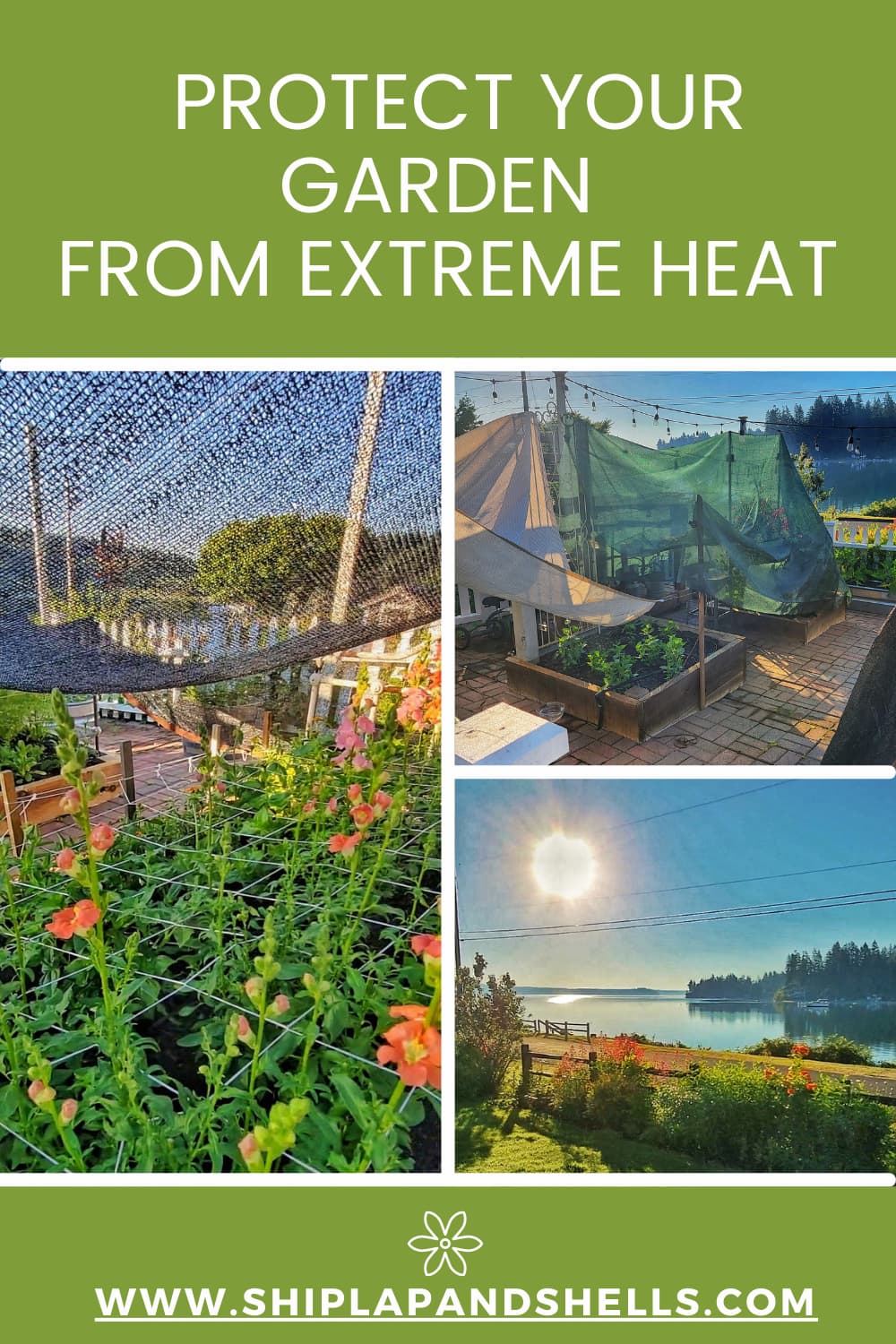
When temperatures soar above 90°F (32°C), most plants hit a wall. They stop growing, drop their flowers to save energy, and eventually start to wilt or scorch. But here’s the good news: plants are tougher than they look. With a few pro-active moves and some emergency “triage” techniques, you can keep your garden lush even when the sun is relentless.
The Science of Plant Sweat (And Why It Matters)
To save your plants, you have to understand how they stay cool. Humans sweat; plants “transpire.” They pull water up through their roots and release it through tiny holes in their leaves called stomata. This process cools the plant down.
When it gets too hot, the plant can’t pull water up fast enough to keep up with the evaporation. To survive, it closes those tiny holes to keep water inside. The downside? The plant stops cooling itself and starts to cook. This is why timing your intervention is so critical. If you can help them manage that water loss, you’ve won half the battle.
Deep Watering is Your Best Friend
Forget those light, daily sprinkles. When the heat is on, you need to go deep. Shallow watering encourages roots to stay near the surface, where the soil gets the hottest and dries out the fastest. You want those roots diving deep into the cooler, damper layers of the earth.
Aim to water early in the morning, ideally before 8:00 AM. This gives the plant a chance to drink up and hydrate its cells before the sun starts demanding its “tax.” Watering at night is a common mistake; while it seems logical, leaving foliage wet overnight in warm weather is a VIP invitation for fungus and root rot.
Mulch Like Your Garden Depends On It
If you aren’t mulching, you’re making your life way harder than it needs to be. Think of mulch as a literal blanket for your soil. Bare dirt absorbs the sun’s rays, heating up the root zone to dangerous levels. A thick layer of organic mulch—like straw, wood chips, or shredded leaves—acts as insulation.
A good 2-to-3-inch layer of mulch can keep the soil temperature significantly lower than the air temperature. It also stops the water you just put down from evaporating instantly. It’s the single most effective thing you can do to protect your plants long-term.
Creating Artificial Shade with Shade Cloths
Sometimes the sun is just too much, no matter how much water you provide. This is where shade cloth comes in. These are UV-stabilized fabrics that come in different “densities.” For most vegetables and flowers, a 30% to 50% shade cloth is the sweet spot. It cuts the intensity of the sun without putting the plant in total darkness.
You don’t need anything fancy to set this up. A few stakes and some binder clips can turn a piece of cloth into a life-saving canopy. Just make sure there is enough airflow; you don’t want to trap hot air underneath the cloth and create a mini-sauna.
Moving Pots to the “Emergency Room”
One of the perks of container gardening is portability. If your potted patio plants are looking sad, move them! Even moving a pot from a concrete patio (which holds a ton of heat) to a patch of grass can make a huge difference.
During a heatwave, try grouping your pots together in a shady spot. This creates a little microclimate with higher humidity, which helps the plants stay hydrated. If they’re in dark-colored plastic pots, they’re basically sitting in heaters. Wrap the pots in light-colored burlap or even old white t-shirts to reflect the sun and keep the roots cool.
Hold Off on the Pruning and Fertilizer
It’s tempting to want to “clean up” a plant by cutting off the brown, scorched leaves. Resist the urge! Those dead leaves actually provide shade for the healthy parts of the plant and the fruit underneath. Wait until the heatwave passes before you start hacking away.
Also, stop fertilizing. Fertilizer encourages new growth, and new growth is tender and thirsty. You don’t want your plant trying to push out “baby” leaves when it’s fighting for its life. Let the plant stay in its semi-dormant state until the weather breaks.
Watch Out for Heat Stress Signs
Plants talk to us; we just have to know how to listen. “Temporary wilting” is common in the afternoon—the plant looks limp but perks up once the sun goes down. This is normal. However, if the plant is still wilting the next morning, you have a problem.
Other signs include “leaf roll” (common in tomatoes), where the leaves curl upward to reduce the surface area exposed to the sun. You might also see “blossom end rot” or “bolting” in your lettuce and herbs. When you see these signs, it’s time to double down on shade and water.
Choosing Heat-Tolerant Varieties for Next Year
If you live in an area where “extreme heat” is just “summer,” it might be time to rethink your plant choices. Some plants are built for the heat. Succulents, Mediterranean herbs like rosemary and lavender, and heat-loving veggies like okra and peppers can handle the intensity much better than cool-weather crops like spinach or peas.
Check your local nursery for “heat-resistant” labels. Native plants are also a fantastic bet because they’ve spent thousands of years adapting to your specific climate’s tantrums.
The Importance of Humidity and Misting
While we usually think of watering the roots, some plants benefit from a quick “cool down” misting. However, be careful. If you do this in the middle of a blazing afternoon, you risk “leaf scorch” where water droplets act like tiny magnifying glasses.
The better way to increase humidity is to place trays of water around your plants or use a “swamp cooler” effect by wetting down the surrounding mulch or pavement. As that water evaporates, it naturally lowers the air temperature around your leafy friends.
Conclusion
Protecting your garden from extreme heat isn’t about perfection; it’s about mitigation. You might lose a few blossoms or see some crispy edges on your leaves, but by focusing on deep watering, heavy mulching, and providing shade, you can ensure your plants survive the peak of summer. Remember, the goal is to help your garden “tread water” until the cooler days of autumn arrive. Stay hydrated yourself, keep an eye on those soil moisture levels, and don’t be afraid to get creative with temporary shade structures. Your garden will thank you with a fresh burst of life the moment the temperature drops.
—
Unique FAQs
How can I tell if my plant is thirsty or just heat-stressed?
The “Finger Test” is your best bet. Stick your finger two inches into the soil. If the soil is moist but the plant is wilting, it’s just heat stress—it’s closing its stomata to save water. If the soil feels dry and dusty, the plant is genuinely thirsty and needs a deep soak.
Can I use my indoor fans to cool down my outdoor garden?
In some cases, yes! If you have a covered porch or a small greenhouse, a simple oscillating fan can prevent “pockets” of stagnant hot air from cooking your plants. Just ensure the fan and cords are rated for outdoor use and kept away from water.
Does the color of my mulch matter in the heat?
Absolutely. Darker mulches, like black-dyed wood chips, absorb more heat and can actually raise the soil temperature. During extreme heat, lighter-colored mulches like natural straw or light-colored cedar chips are better because they reflect more sunlight.
Should I water the leaves of my plants during a heatwave?
Generally, no. It’s better to apply water directly to the soil. Watering the leaves can lead to fungal issues and, in some rare cases, sun scorch. The only exception is a very early morning misting to help raise humidity around tropical plants.
Is it okay to transplant a plant during a heatwave?
Definitely not. Transplanting is stressful even in perfect weather. Doing it during a heatwave is almost a death sentence for the plant because its root system is disrupted exactly when it needs to be most efficient at absorbing water. Wait for a cloudy day or a break in the temperatures.
—


