
A blog post for your website about low-budget balcony garden/’>gardening.
Living in a city often means sacrificing green space, but who says you can’t have a garden? Even with a small balcony and an even smaller budget, you can create a lush, thriving oasis. Forget the expensive pots and fancy tools; with a little creativity and a lot of passion, you can transform your urban space into a sanctuary of green. This guide will walk you through everything you need to know about low-budget balcony gardening, from choosing the right plants to making your own compost. So, let’s get our hands dirty, without emptying our wallets.
The first step to a successful balcony garden is a well-thought-out plan. Don’t rush to the nursery and buy the first plants that catch your eye. Instead, take a moment to assess your space. How much sunlight does your balcony get? Is it a sunny spot all day, or does it get more shade? The answer to this question will determine which plants will thrive. For example, if you have a sun-drenched balcony, herbs like basil, oregano, and rosemary are great choices. You could also grow cherry tomatoes or even some varieties of peppers. If your balcony is mostly shady, consider plants like mint, ferns, or hostas. They’ll do just fine with less light. Knowing your light situation is the single most important factor in saving money, as it prevents you from buying plants that are doomed to fail.
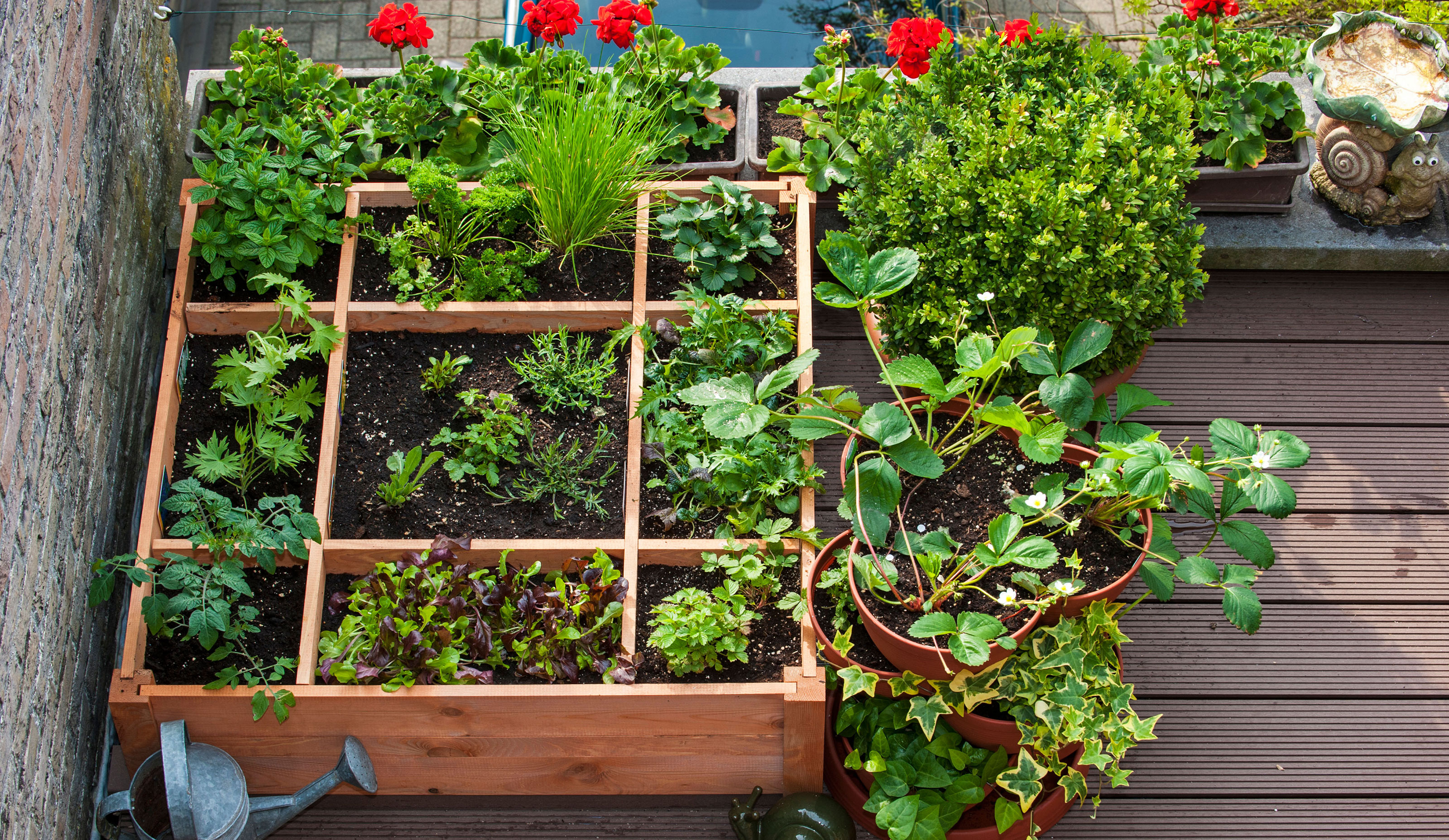
Now, let’s talk about containers. You don’t need to spend a fortune on terracotta or ceramic pots. In fact, some of the most creative and cost-effective solutions are probably already in your home. Old tin cans, plastic bottles, and even worn-out kitchen utensils can be repurposed into unique planters. Just make sure to poke a few drainage holes in the bottom. This is crucial for keeping your plants healthy. If you have a bit of money to spend, consider looking for pots at second-hand stores or even online marketplaces. You’d be surprised at the bargains you can find. Another great option is to create a vertical garden. This saves space and looks fantastic. You can use an old wooden pallet, some gutters, or even a shoe organizer to hang plants on a wall, making the most of a small space. This method allows you to grow more plants without cluttering your floor space, and it looks really modern and cool.
Soil is another area where you can save a lot of money. Instead of buying expensive bags of potting mix, consider making your own. You can collect food scraps like vegetable peelings, coffee grounds, and eggshells to create a small compost pile. This “black gold” is packed with nutrients and will do wonders for your plants. You can also mix in some sand or perlite for better drainage, which you can often find in bulk for cheap. If you do need to buy potting mix, look for a good quality all-purpose mix and consider mixing it with some compost to make it go further. Remember, healthy soil is the foundation of a healthy garden. Don’t skimp on it, but don’t overpay for it either.
When it comes to plants, think about growing from seeds. A packet of seeds costs a fraction of the price of a single plant, and it’s incredibly rewarding to watch your garden grow from the very beginning. Many vegetables and herbs are easy to grow from seeds, and you’ll get a lot more bang for your buck. If you’re new to gardening, start with something easy like radishes, lettuce, or basil. They germinate quickly and don’t require much fuss. You can also ask friends or family for cuttings from their plants. Many plants, like succulents and some herbs, can be easily propagated from a simple cutting, so you’re essentially getting new plants for free. This is a great way to expand your garden without spending a dime.
Watering is a daily task, but you can make it more efficient and cost-effective. Instead of using a watering can, consider setting up a simple drip irrigation system using old plastic bottles. You can fill them with water, poke a tiny hole in the cap, and bury them upside down next to your plants. This releases water slowly and directly to the roots, reducing waste and ensuring your plants get a consistent supply. You can also collect rainwater in a bucket to use for your plants. Not only does this save on your water bill, but rainwater is often better for plants than tap water, as it’s free of chemicals like chlorine.
Finally, remember that gardening is a journey, not a destination. There will be failures along the way, and that’s okay. Some plants won’t make it, and that’s just part of the learning process. The key is to learn from your mistakes and keep trying. With a little bit of patience and a lot of resourcefulness, you can turn your balcony into a beautiful and productive garden, all without breaking the bank. So go ahead, get started on your low-budget balcony garden today. The fresh air, the scent of blooming flowers, and the joy of watching your own food grow are priceless rewards that are well within your reach. Happy gardening!

:max_bytes(150000):strip_icc()/low-light-conditions-houseplants-1902917-834ee8847a324939b796845a6bc22d36.png?resize=200,135&ssl=1 "Snake Plant (")

