
A garden of Enchantment: Monet’s Giverny
Claude Monet’s garden at Giverny stands as a testament to the artist’s profound connection to nature and his enduring legacy. More than just a horticultural masterpiece, it was a living canvas, a constant source of inspiration that fueled his artistic vision for decades. This article delves into the captivating story of this extraordinary garden, exploring its creation, its significance in Monet’s life and art, and its enduring allure for visitors today.
From Orchard to Impressionist Paradise
When Monet first arrived in Giverny in 1883, the property boasted a charming but relatively ordinary garden. However, the artist, with his characteristic passion and meticulousness, soon began to transform it into a unique expression of his artistic sensibilities. He meticulously planned and planted, meticulously selecting flowers for their vibrant colors and the way they bloomed throughout the seasons.
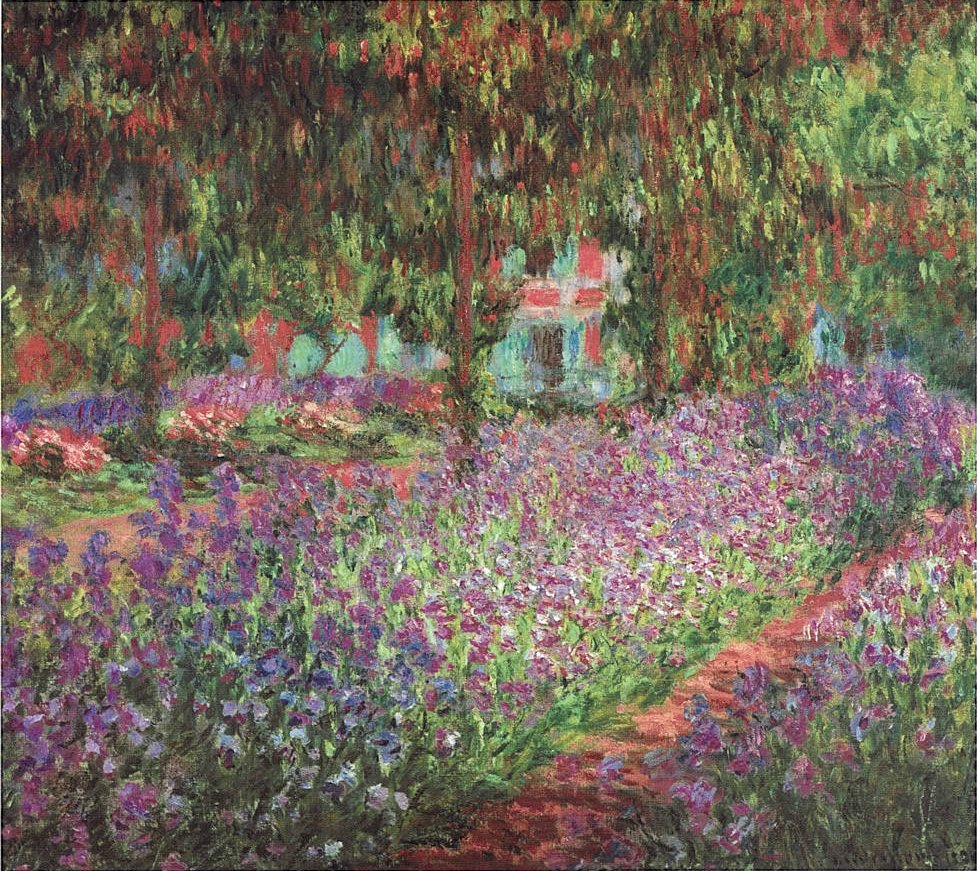
Monet’s garden was a symphony of color and texture. He favored bold hues, eschewing pastels and opting for vibrant reds, oranges, yellows, and purples. He meticulously arranged his flowerbeds, creating a harmonious interplay of shapes and forms. The result was a garden that was both visually stunning and deeply personal, a reflection of Monet’s own unique aesthetic.
The Water Garden: A Dream Takes Shape
Perhaps the most iconic feature of Monet’s garden is the enchanting water garden. Inspired by Japanese prints and the serene beauty of natural ponds, Monet embarked on an ambitious project: to create a tranquil oasis filled with water lilies. He meticulously designed a Japanese-style bridge, adorned with wisteria, that arched gracefully over the water. He introduced exotic plants, including the iconic water lilies, which would soon become the subjects of some of his most celebrated works.
The creation of the water garden was not without its challenges. Monet faced opposition from local villagers who feared the pond would disrupt the natural flow of the river and impact their livelihoods. However, with unwavering determination, Monet persevered, ultimately transforming the land into a breathtaking testament to his vision.
The Garden as Muse: A Source of Endless Inspiration
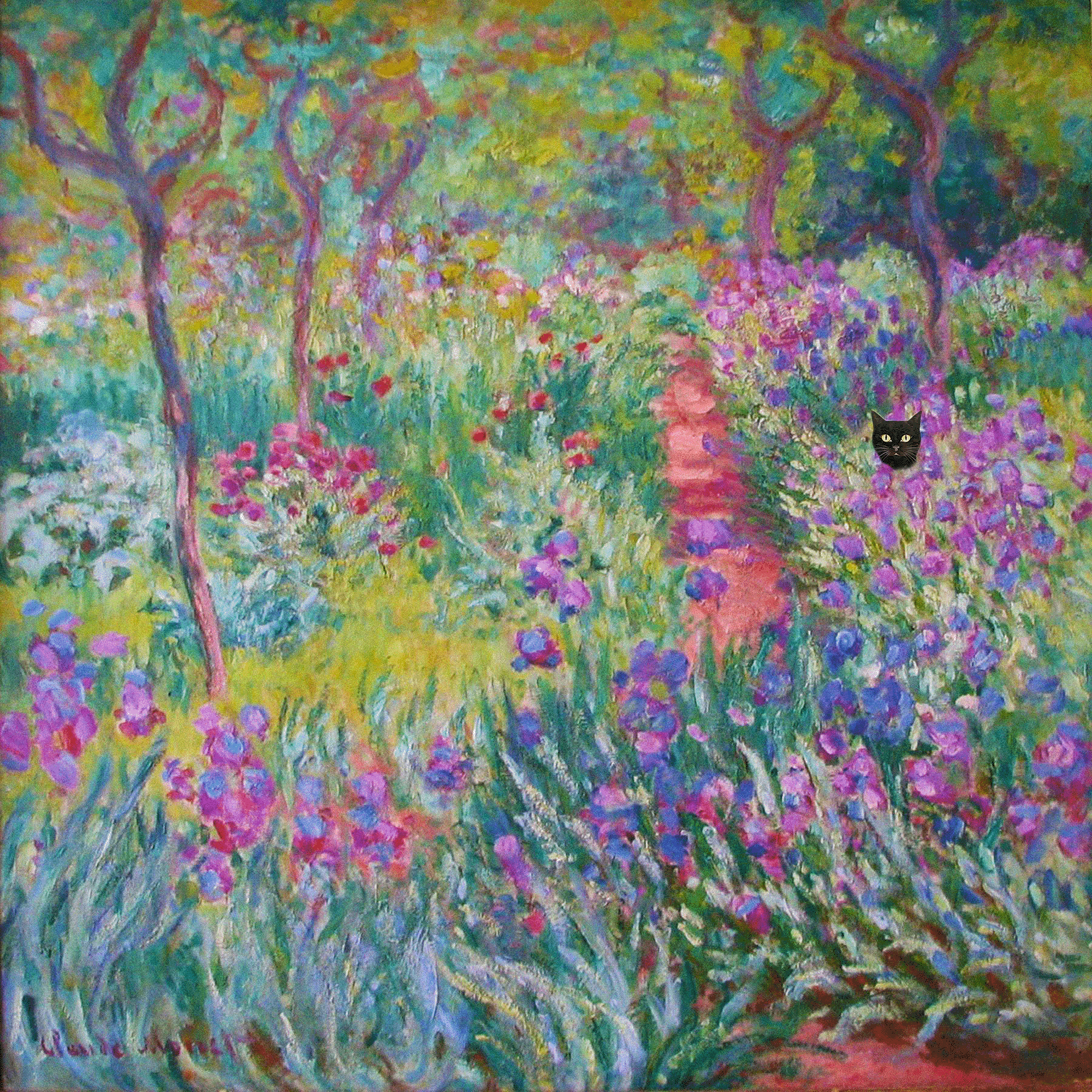
Monet’s garden served as an inexhaustible source of inspiration for his art. He found endless fascination in the ever-changing interplay of light and shadow on the flowers, the delicate dance of the water lilies on the pond’s surface, and the fleeting beauty of each season.
The water garden, in particular, became a central focus of his artistic exploration. He embarked on a series of paintings dedicated to the water lilies, capturing their ethereal beauty in a series of large-scale canvases. These works, with their vibrant colors and dynamic compositions, marked a significant shift in his artistic style, moving towards a more abstract and expressive approach.
A Legacy That Endures
Today, Monet’s garden at Giverny remains a major tourist attraction, drawing visitors from around the world. It stands as a testament to the power of artistic vision and the enduring beauty of nature. As visitors wander through the vibrant flowerbeds and gaze upon the serene water garden, they can almost feel the presence of the great artist himself, finding inspiration in the very landscape that ignited his own creative genius.
Monet’s garden at Giverny is more than just a beautiful garden; it is a living legacy, a reminder of the profound connection between art and nature, and a testament to the enduring power of human creativity.


