
The Birdbath: A Vital Oasis in the Community garden
The community garden, a vibrant tapestry of life nurtured by the hands of many, offers a sanctuary for both humans and wildlife. Within this verdant haven, the birdbath emerges as a vital oasis, providing a crucial water source for a diverse array of avian visitors. This article delves into the significance of the birdbath within the community garden ecosystem, exploring its role in supporting birdlife, enhancing biodiversity, and fostering a deeper connection between humans and nature.
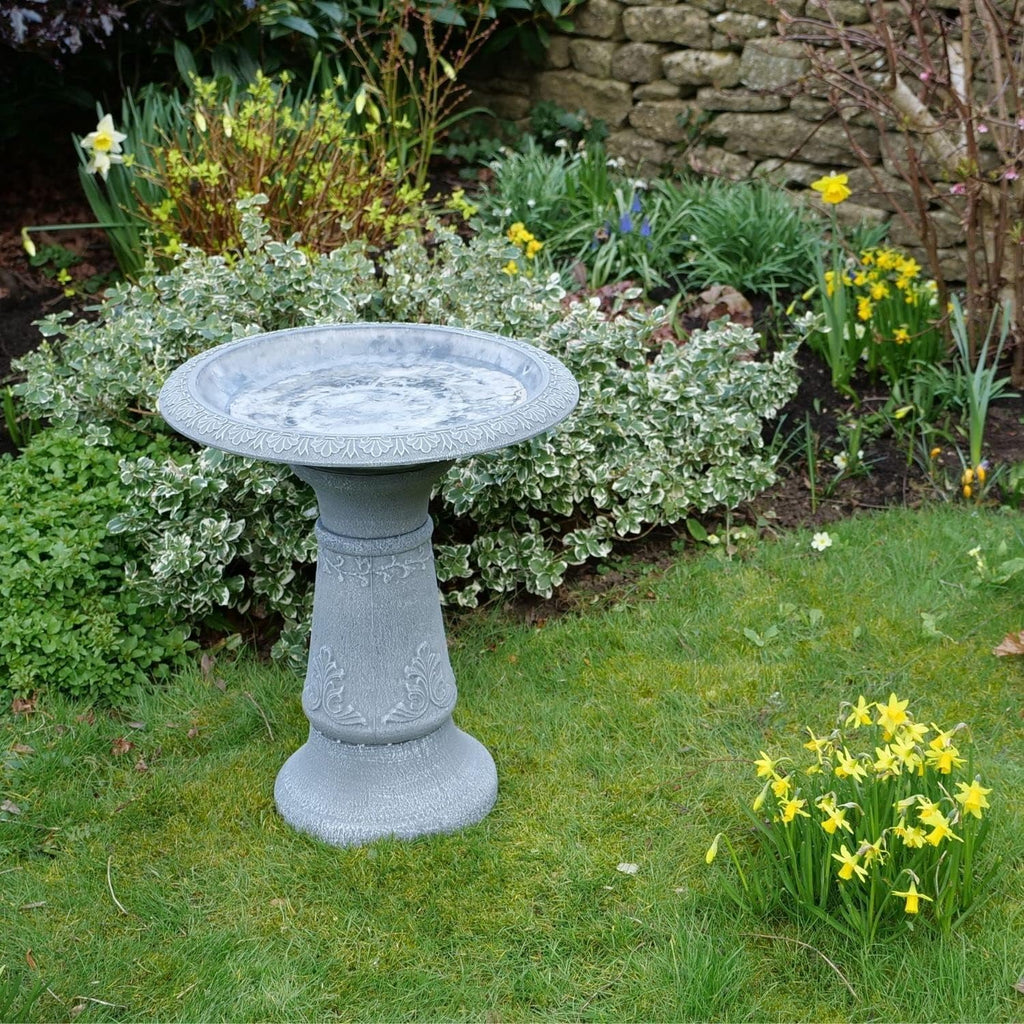
Birds, like all living creatures, require water for survival. It plays a critical role in:
1. Hydration:
Birds use water to replenish fluids lost through respiration, excretion, and thermoregulation, particularly during hot weather.
2. Thermoregulation:
Water helps birds regulate their body temperature through evaporative cooling. Birds may dip their wings or feet in water to cool down.
3. Bathing and Preening:
Bathing is essential for birds to remove dust, parasites, and excess oils from their feathers. Preening, the meticulous grooming of feathers, is facilitated by the presence of water.
4. Breeding:
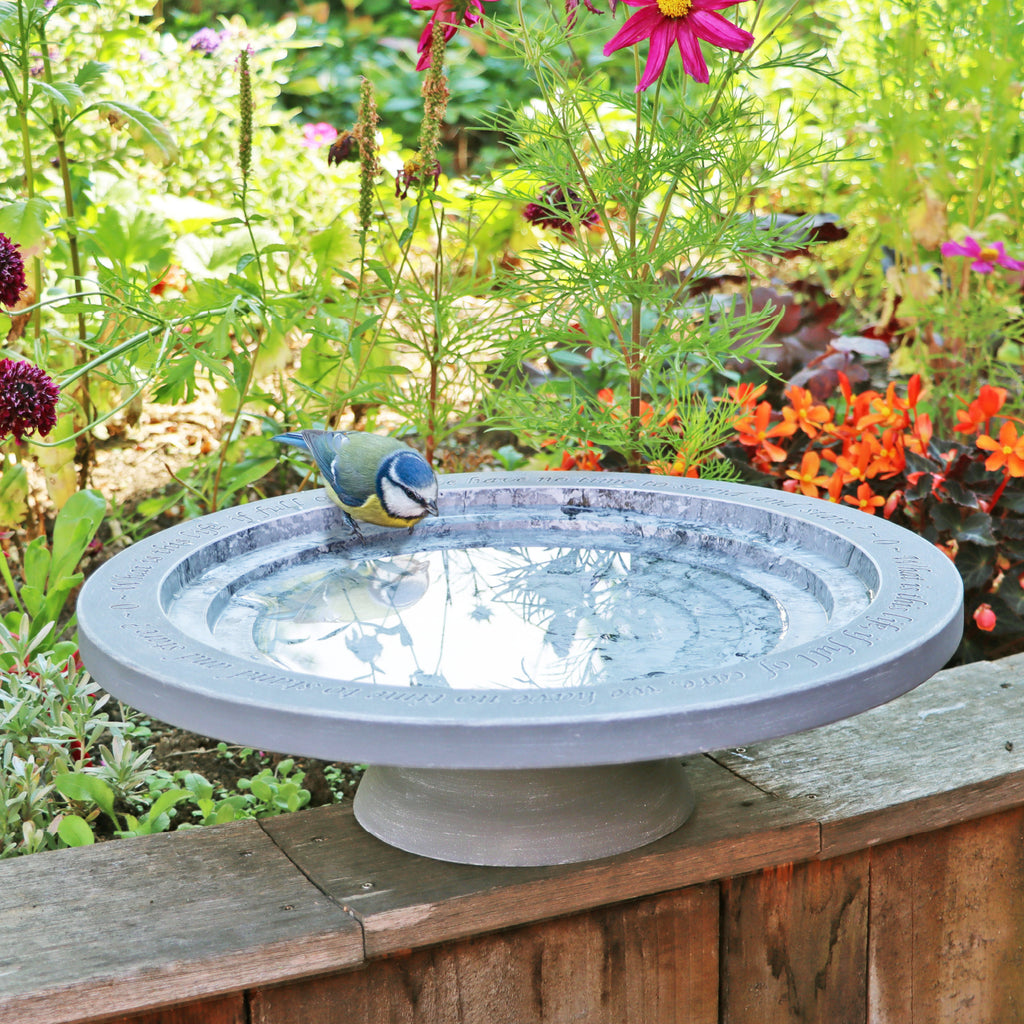
Water is crucial for successful breeding. Birds use water to build nests, cool eggs, and provide moisture for their young.
In urban and suburban environments, natural water sources like ponds and streams may be scarce. The birdbath, a human-made creation, fills this crucial void, offering a lifeline for birds in need.
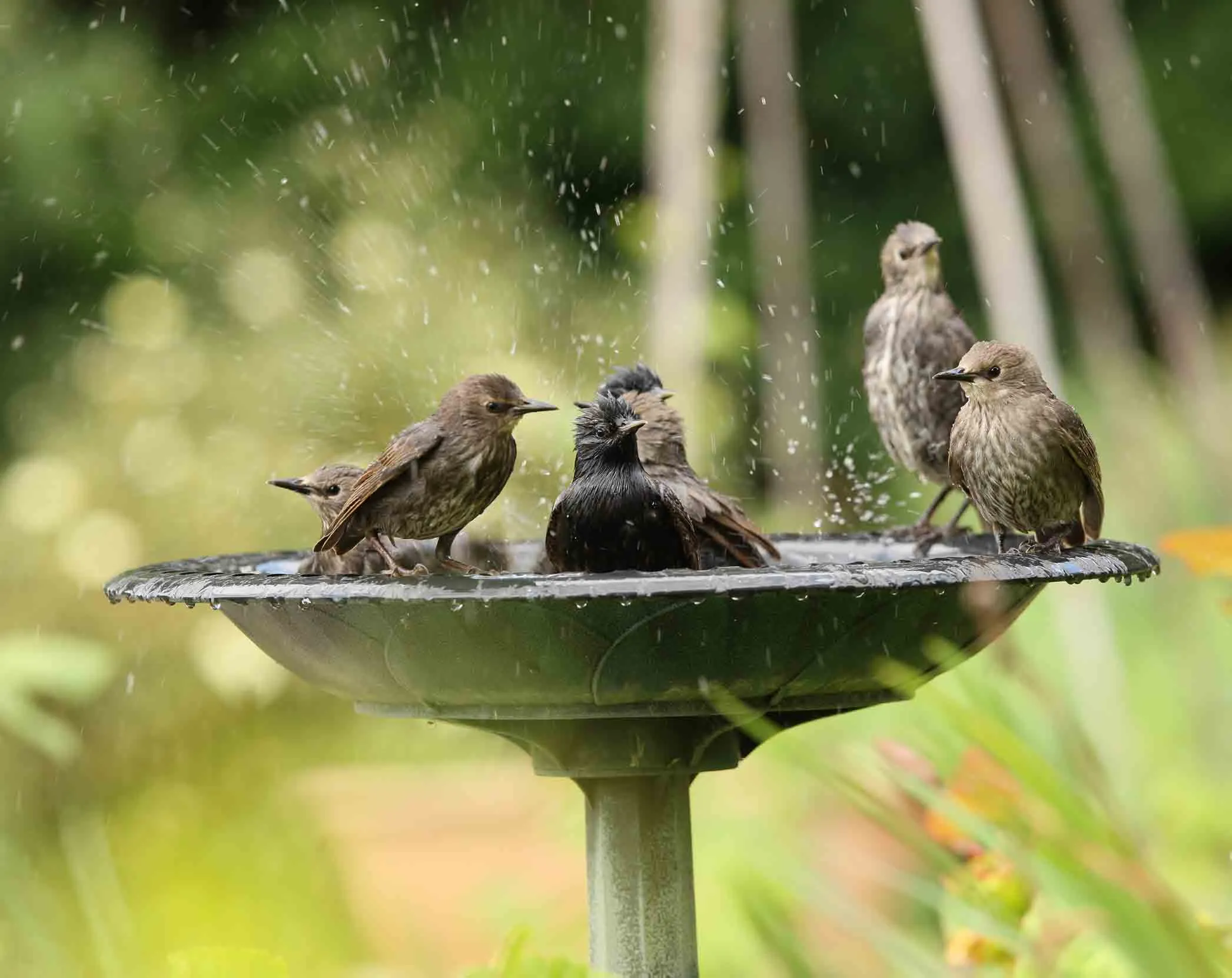
The design and placement of the birdbath significantly impact its effectiveness and safety for birds. Key considerations include:
1. Depth:
The water level should be shallow enough for small birds to easily reach and bathe, typically no deeper than 2-3 inches.
2. Stability:
The birdbath should be securely anchored to prevent tipping over, especially in windy conditions.
3. Accessibility:
The birdbath should be placed in a location that is easily accessible to birds, away from dense vegetation that may obstruct their approach.
4. Safety:
The birdbath should be positioned away from windows to prevent bird strikes.
5. Shade:
Providing some shade around the birdbath can help prevent the water from becoming too warm, especially during hot weather.
The community garden offers an ideal setting for creating a bird-friendly environment around the birdbath. This can be achieved through:
1. Planting Native Plants:
Incorporating native plants that provide food and shelter for birds, such as berries, seeds, and nesting sites.
2. Avoiding Pesticides:
Minimizing the use of pesticides and herbicides, which can harm birds and their food sources.
3. Providing Natural Cover:
Creating a diverse habitat with shrubs, trees, and other natural cover to provide birds with safe nesting and roosting sites.
4. Offering a Variety of Food Sources:
Supplying supplemental food sources such as bird feeders, especially during harsh weather conditions.
The birdbath can serve as an invaluable educational tool within the community garden.
1. Birdwatching Opportunities:
The birdbath provides an excellent opportunity for observing a variety of bird species up close, fostering a deeper appreciation for avian diversity.
2. Nature Education Programs:
Community garden programs can incorporate birdwatching activities, bird identification lessons, and discussions about bird behavior and ecology.
3. Engaging Children:
Children can be actively involved in maintaining the birdbath, observing the birds that visit, and learning about the importance of water conservation.
Beyond its ecological significance, the birdbath can also foster a strong sense of community within the garden.
1. Shared Experience:
The joy of observing birds at the birdbath can be shared among garden members, creating a common ground for connection and conversation.
2. Volunteer Opportunities:
Maintaining the birdbath can provide volunteer opportunities for garden members, fostering a sense of ownership and responsibility.
3. Intergenerational Learning:
The birdbath can serve as a platform for intergenerational learning, with older members sharing their knowledge of bird identification and natural history with younger generations.
While the birdbath offers numerous benefits, it also presents some challenges:
1. Disease Transmission:
Bird baths can potentially transmit diseases between birds. Regular cleaning and disinfection are essential to minimize the risk of disease spread.
2. Attracting Unwanted Visitors:
The birdbath may attract unwanted visitors such as squirrels, raccoons, and cats, which can pose a threat to birds.
3. Water Quality:
The quality of the water in the birdbath should be regularly monitored and maintained to ensure it is safe for birds to consume.
The birdbath stands as a testament to the power of human intervention to enhance the natural world. Within the community garden, this simple yet vital element plays a multifaceted role, supporting birdlife, fostering biodiversity, and enriching the human experience. By carefully designing, maintaining, and utilizing the birdbath, we can create a thriving oasis for birds and a deeper connection between humans and the natural world within the heart of our communities.
This article aims to provide a comprehensive overview of the birdbath within the community garden. It explores its significance, design considerations, ecological benefits, educational value, and social implications. By incorporating the birdbath into the community garden ecosystem, we can create a vibrant and sustainable haven for both humans and wildlife.


