
“`html
The Enduring Appeal of garden Style Apartments
The Enduring Appeal of Garden Style Apartments
Garden style apartments, with their low-rise structures, sprawling layouts, and emphasis on outdoor spaces, have held a unique and enduring place in the landscape of residential living. They offer a blend of suburban tranquility and urban accessibility, attracting a diverse range of residents seeking a comfortable and community-oriented lifestyle. This article delves into the history, characteristics, advantages, challenges, and future of garden style apartment buildings.
History and Evolution
The concept of garden style apartments emerged in the early 20th century, a time of significant urban expansion and shifting residential preferences. The desire to escape the cramped and often unhealthy conditions of dense city tenements fueled the development of these low-density housing solutions. Initially, they were seen as a way to bring a touch of nature and open space to urban dwellers.
Early Developments and Influences
The Garden City movement, spearheaded by Ebenezer Howard in England, had a profound influence on the development of garden style apartments in the United States. This movement advocated for self-contained communities that combined the benefits of urban and rural living. The emphasis on green spaces, community planning, and accessible amenities resonated with the emerging middle class.
Post-World War II Boom
The post-World War II era witnessed a massive surge in demand for housing, particularly among returning veterans and their growing families. Garden style apartments became a popular and affordable option, offering a sense of homeownership without the financial burden of a single-family house. The suburban expansion of this period was largely fueled by the construction of these apartment complexes, often featuring standardized designs and layouts.
Modern Adaptations and Trends
Today, garden style apartments continue to evolve, adapting to changing lifestyles and preferences. Modern developments often incorporate sustainable design features, enhanced amenities, and a greater emphasis on community spaces. Renovations of older complexes focus on updating interiors, improving energy efficiency, and adding contemporary touches. The integration of technology, such as smart home features and high-speed internet access, is also becoming increasingly common.
Key Characteristics
Several defining characteristics distinguish garden style apartments from other types of residential buildings:
Low-Rise Construction

Typically, garden style apartments consist of one to three stories, creating a more intimate and less imposing scale than high-rise buildings. This low-rise design fosters a sense of community and allows for easier access to outdoor spaces.
Sprawling Layouts
These complexes are often spread across a larger land area, with buildings arranged around courtyards, green spaces, or landscaped areas. This layout provides residents with a greater sense of privacy and access to natural light.
Emphasis on Outdoor Spaces
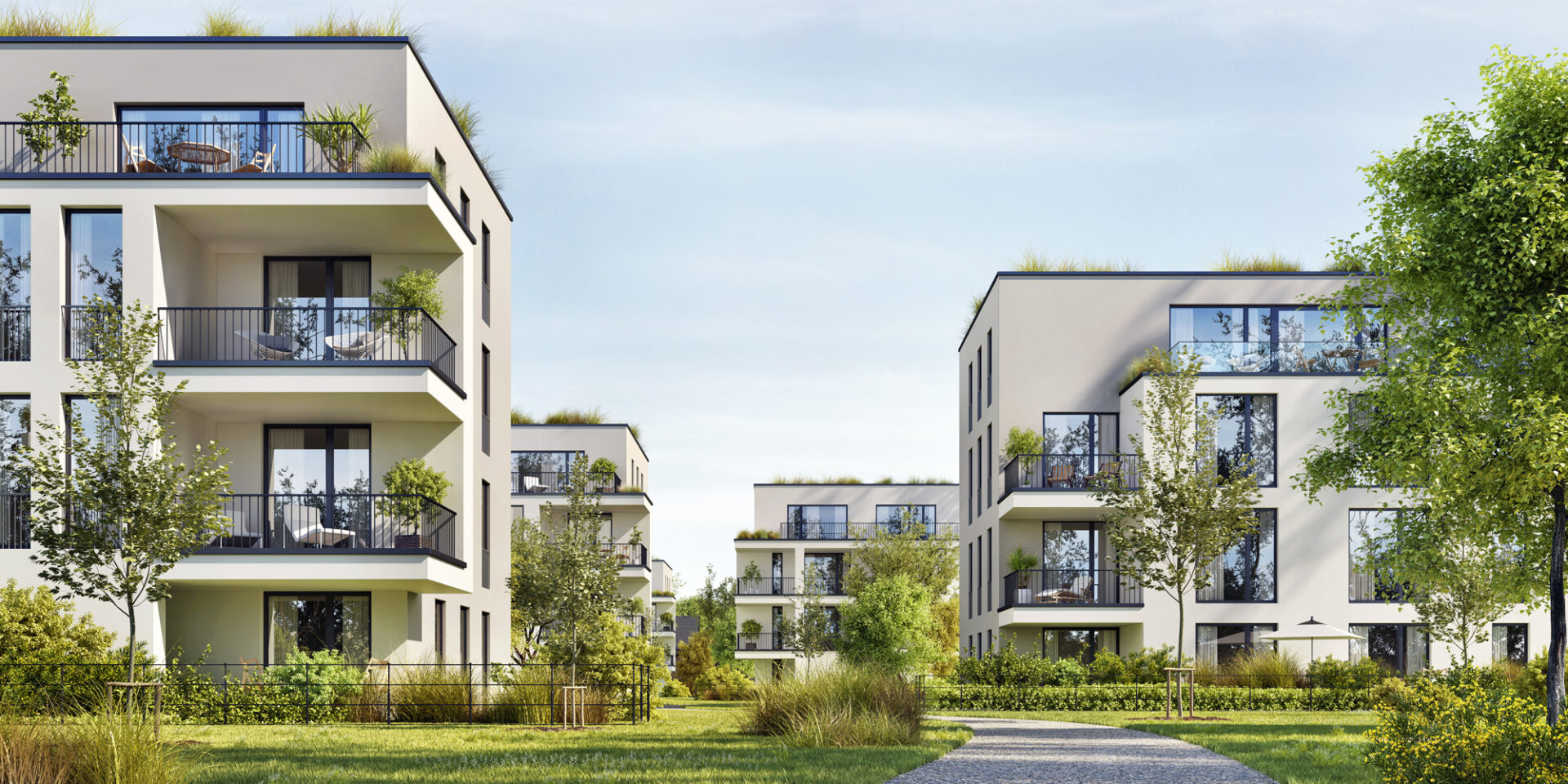
A defining feature of garden style apartments is the emphasis on outdoor spaces. This includes private patios or balconies, shared courtyards, landscaped gardens, and sometimes even recreational amenities like swimming pools or playgrounds. The integration of nature is a central element of the design.
Parking and Accessibility
Garden style apartments typically offer ample parking, often in the form of surface lots or carports located close to the buildings. This accessibility is particularly appealing to residents who rely on personal vehicles.
Community-Oriented Design
The layout and amenities of garden style apartments often promote a sense of community. Shared spaces, such as courtyards, clubhouses, or recreational facilities, provide opportunities for residents to interact and socialize.
Advantages of Garden Style Apartments
Garden style apartments offer a range of advantages that contribute to their enduring popularity:
Affordability
Compared to single-family homes or luxury high-rise apartments, garden style apartments often offer a more affordable housing option. This affordability makes them particularly attractive to young professionals, families, and retirees.
Sense of Community
The low-rise design and shared outdoor spaces foster a sense of community among residents. Opportunities for interaction and socialization are more prevalent than in high-density buildings.
Access to Outdoor Spaces
The emphasis on landscaped gardens, courtyards, and private patios provides residents with access to nature and outdoor recreation. This is a significant advantage for those seeking a more relaxed and tranquil living environment.
Privacy and Space
The sprawling layouts and low-density construction offer residents a greater sense of privacy and space compared to high-rise apartments. Private entrances and individual patios or balconies contribute to this sense of personal space.
Convenience and Accessibility
Ample parking, proximity to amenities, and easy access to transportation make garden style apartments a convenient living option. The combination of suburban tranquility and urban accessibility is a major draw.
Challenges and Considerations
Despite their many advantages, garden style apartments also present certain challenges and considerations:
Maintenance and Upkeep
Maintaining the extensive landscaped areas and outdoor amenities can be a significant undertaking. This requires dedicated maintenance staff and ongoing investment in landscaping and upkeep.
Potential for Noise
While the low-rise design can create a sense of privacy, proximity to neighboring units can also lead to noise issues. Shared walls and outdoor spaces can transmit noise, particularly in older buildings with less sound insulation.
Limited Vertical Space
The low-rise construction limits the potential for vertical expansion, which can be a challenge in areas with high population density and limited land availability.
Aging Infrastructure
Many garden style apartment complexes were built in the mid-20th century, and their infrastructure may be aging. This can lead to maintenance issues, such as plumbing problems, electrical faults, and structural concerns.
Security Considerations
The sprawling layouts and multiple access points of garden style apartments can present security challenges. Ensuring adequate lighting, surveillance, and access control is crucial for resident safety.
The Future of Garden Style Apartments
Garden style apartments are likely to remain a popular housing option in the future, adapting to evolving needs and preferences. Several trends are shaping their future:
Sustainable Design and Green Initiatives
Increasingly, garden style apartment developments are incorporating sustainable design features, such as energy-efficient appliances, water-saving fixtures, and green roofs. The emphasis on green initiatives reflects a growing awareness of environmental concerns.
Enhanced Amenities and Community Spaces
Modern garden style apartments are offering a wider range of amenities, including fitness centers, co-working spaces, and outdoor kitchens. The focus on creating vibrant community spaces reflects a desire for social interaction and shared experiences.
Technological Integration
The integration of technology is transforming the living experience in garden style apartments. Smart home features, high-speed internet access, and online resident portals are becoming standard offerings. Technology is also being used to enhance security and improve building management.
Adaptive Reuse and Renovations
Many older garden style apartment complexes are being renovated and repurposed to meet contemporary needs. Adaptive reuse projects focus on preserving the architectural character of the buildings while updating interiors and adding modern amenities.
Mixed-Use Developments
Garden style apartments are increasingly being integrated into mixed-use developments that combine residential, commercial, and retail spaces. This approach creates vibrant and walkable communities that offer residents a range of amenities within close proximity.
Conclusion
Garden style apartments have carved out a significant niche in the residential landscape, offering a unique blend of affordability, community, and access to nature. Their enduring appeal stems from their ability to provide a comfortable and convenient living experience that balances suburban tranquility with urban accessibility. As they continue to evolve and adapt to changing needs and preferences, garden style apartments are poised to remain a popular housing option for generations to come. Their ability to foster community, provide access to outdoor spaces, and offer a sense of home makes them a valuable and enduring part of the residential landscape.
“`


